
· menu
Menu Category Structure: How to Organize Your Menu for Maximum Impact
The decisions behind how menu categories are named, sequenced, and sized — and why they matter more than most operators realize.
The decisions behind how menu categories are named, sequenced, and sized — and why they matter more than most operators realize.

The signals that tell you it's time to refresh your menu, and the step-by-step process for doing it without disrupting operations.

A structured process for testing new menu items with real customers before they go on the permanent menu.

Beverage pricing for restaurants and bars: average beverage cost percentage by category, the wine pricing formula, pour cost targets and strategy.

A practical guide to building a bar menu that aligns with your concept, achieves target pour costs of 18–24%, and drives profitable check averages.

A well-designed daily specials program is simultaneously a customer retention tool, a menu development pipeline, and a waste reduction mechanism — but only if it is built on a clear structural framework rather than improvised night by night.

Inventory and menu planning are two sides of the same system. When they are built together, par levels prevent both stockouts and waste. When they operate in isolation, you are managing two problems instead of one.

The most effective food waste reduction tool in your restaurant is your menu. How you design dishes, structure portions, and overlap ingredients determines whether ingredients get used or thrown away.

How strategic seasonal sourcing reduces food costs by 15–25% while improving ingredient quality and giving you a marketing advantage.
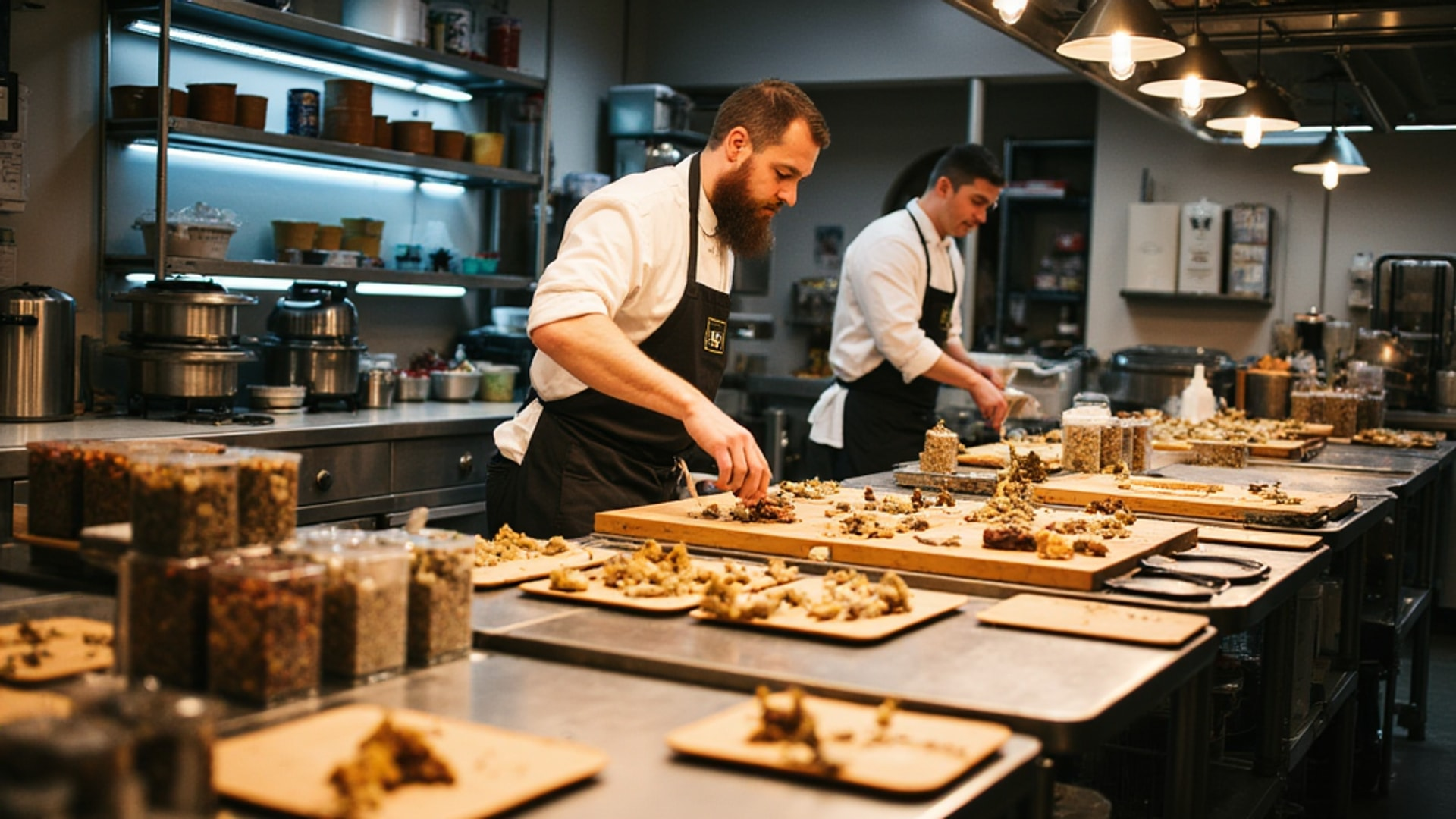
Why customers pay more or less than ingredient costs justify — and the pricing frameworks that align your menu with what they are actually willing to spend.

A practical guide to implementing demand-based pricing in restaurants, from proven time-of-day models to automated systems, with data on revenue impact and customer acceptance.

A practical framework for tracking food trends, evaluating which ones matter for your concept, and integrating them without chasing fads.