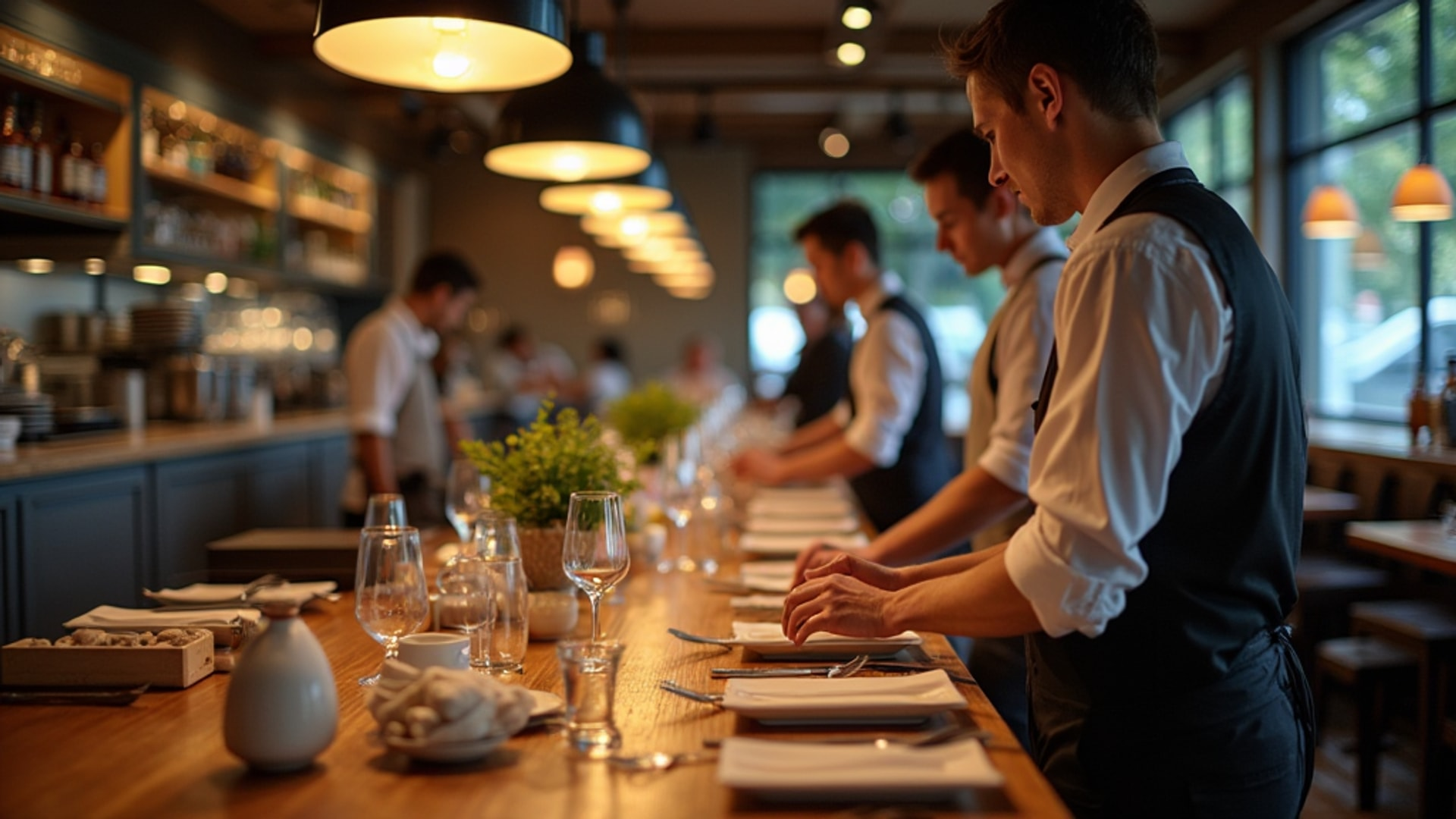
Kitchen Workflow Efficiency: How to Build a Line That Performs Under Pressure
A well-designed kitchen workflow does not just speed up service — it produces better food, reduces errors, and keeps your team calm when the rush hits.
A well-designed kitchen workflow does not just speed up service — it produces better food, reduces errors, and keeps your team calm when the rush hits.
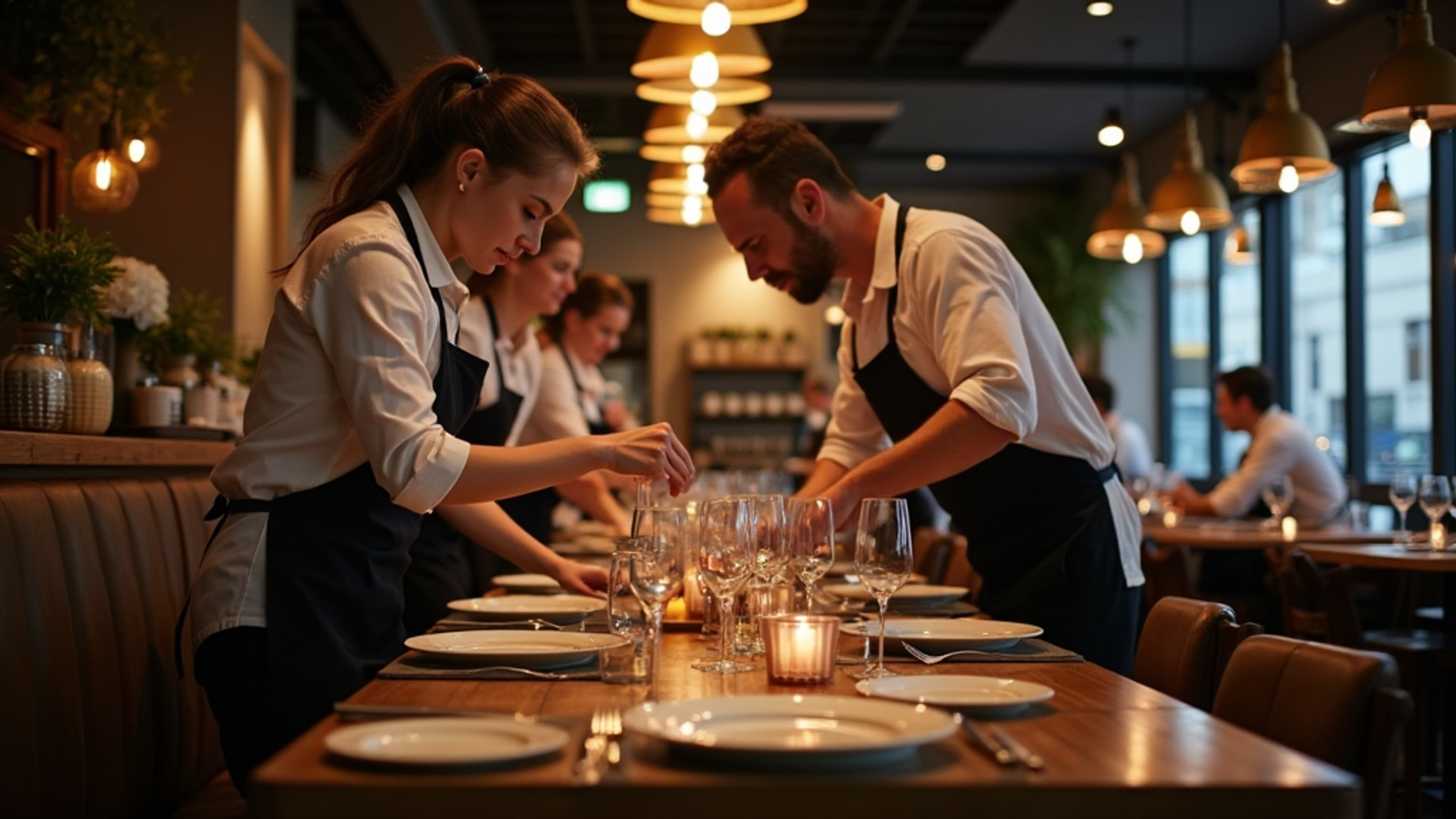
First-day orientation is not training — it is the beginning of a structured program that should run for 90 days and never fully stop.
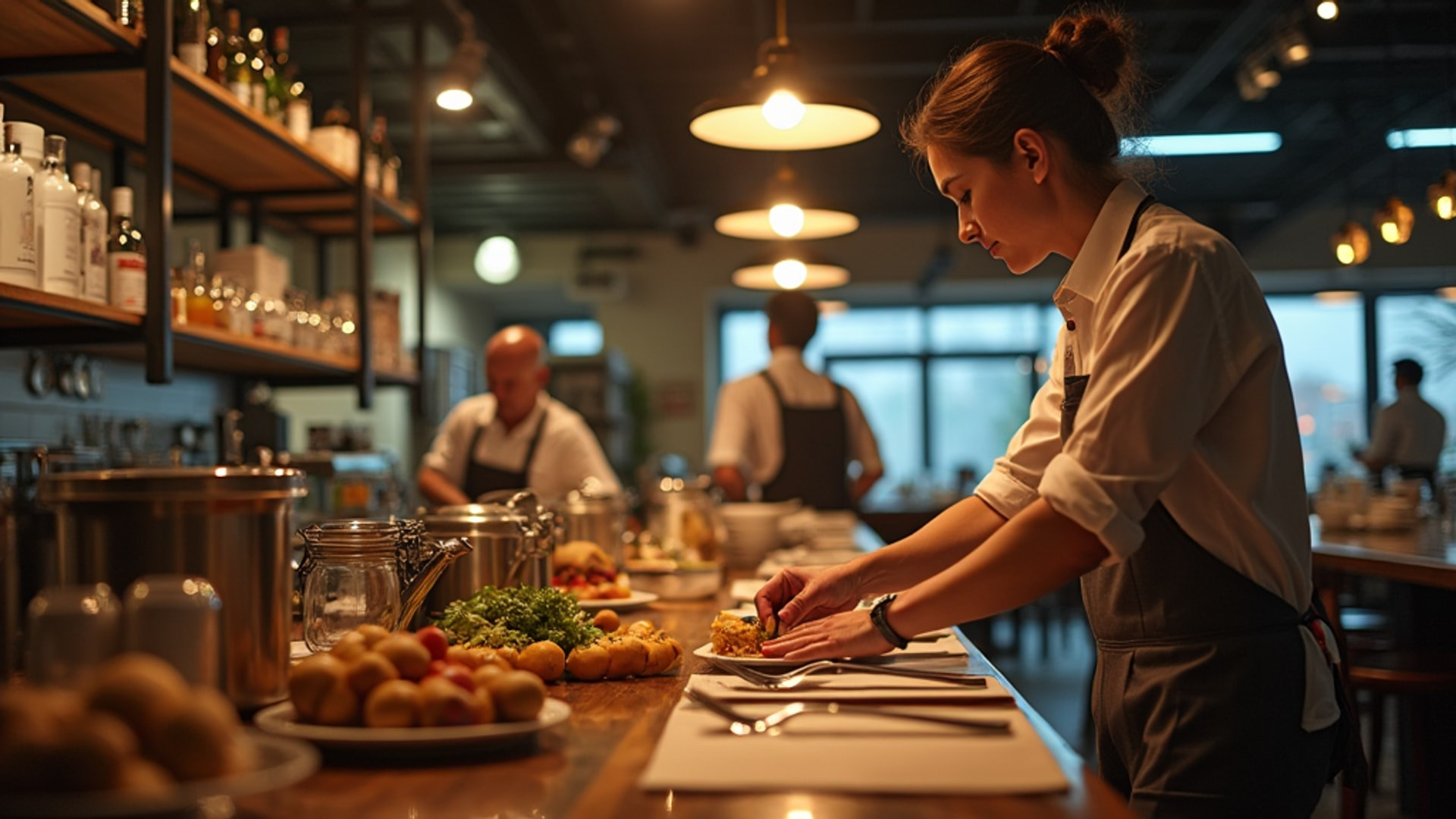
A practical system for staffing, prepping, and managing the floor during your restaurant's busiest hours without burning out your team or disappointing guests.

Table management systems have evolved from handwritten books into platforms that integrate seating, waitlists, CRM, and analytics. Here's how to choose the right one and optimize every seat in your restaurant.
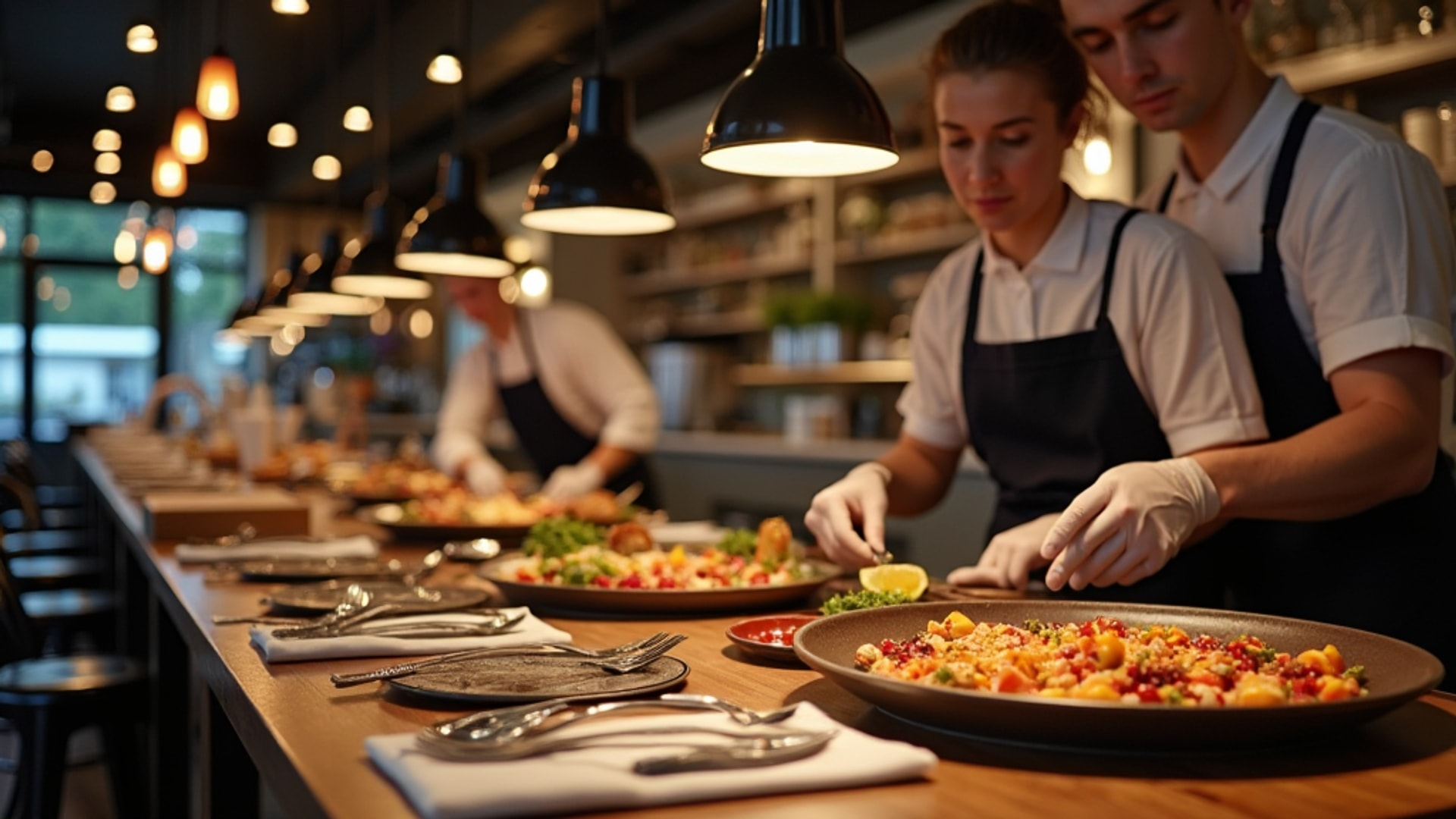
The essential restaurant operations KPIs — what to measure, what the benchmarks are, how often to review them, and how to translate numbers into operational decisions.
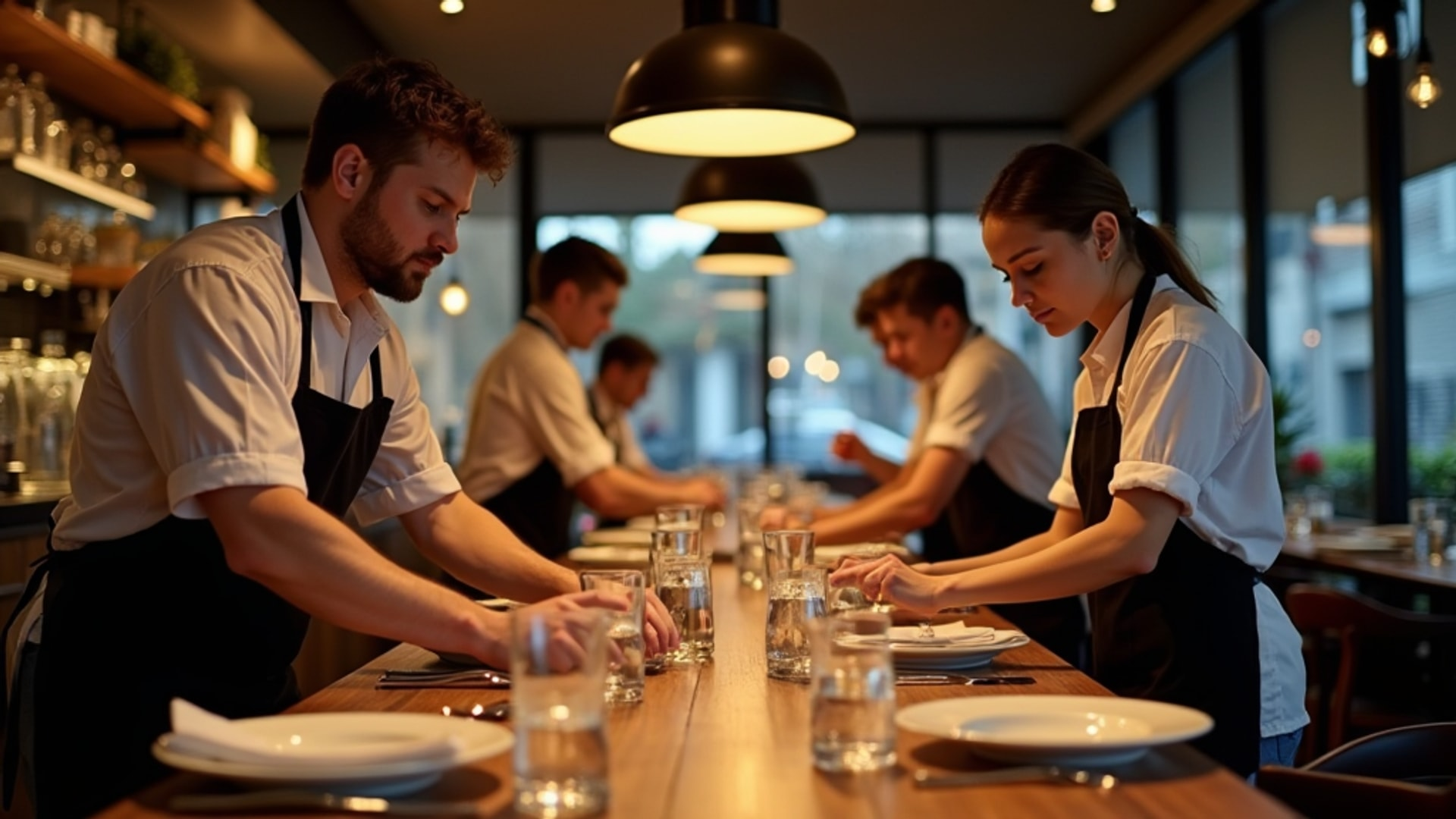
A complete system for transferring operational knowledge between shifts — so the incoming team inherits a complete picture, not a puzzle with missing pieces.
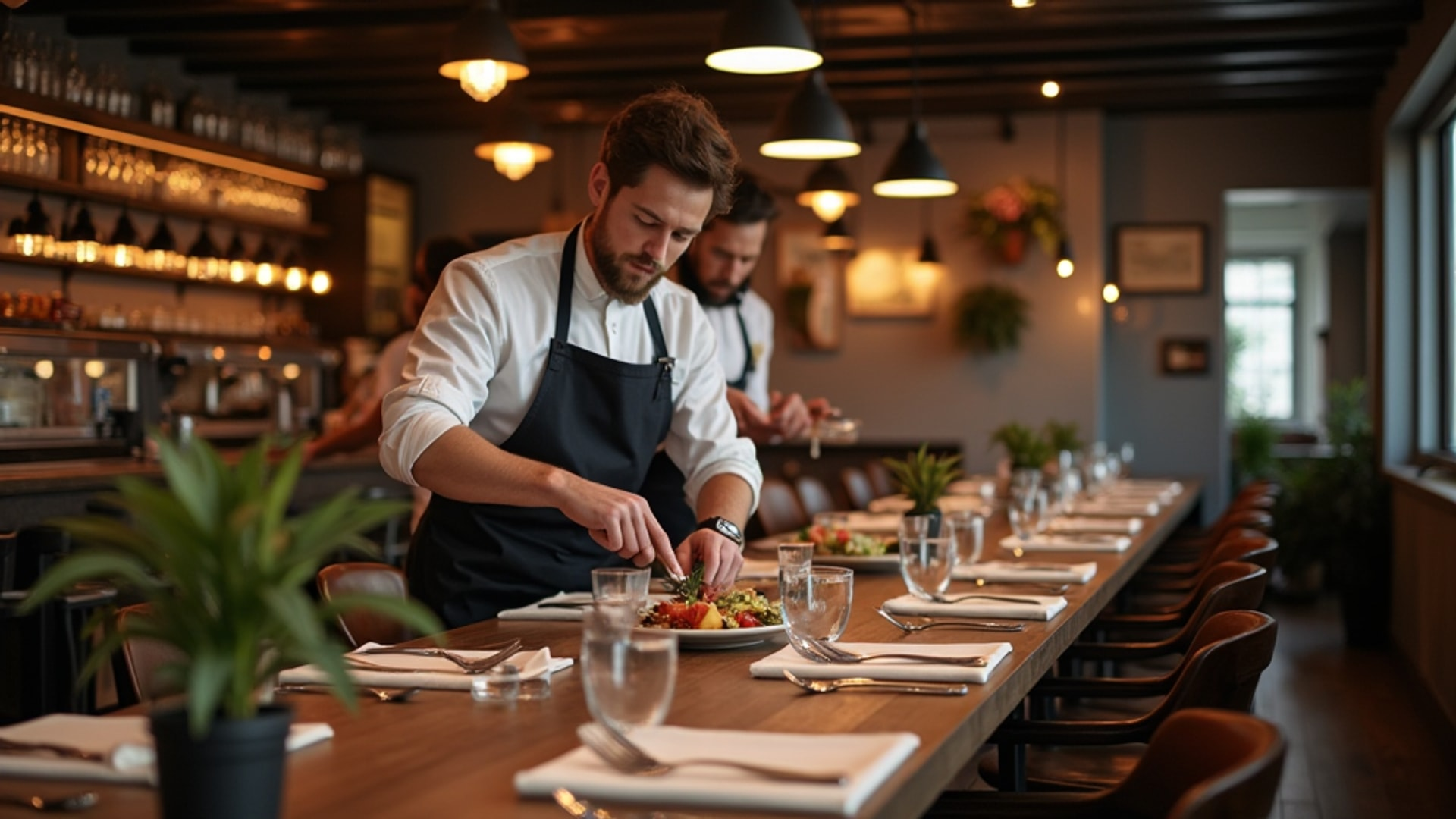
Systematic BOH workflow improvements compound into significant cost savings — here is how to build a kitchen that runs smoothly shift after shift.
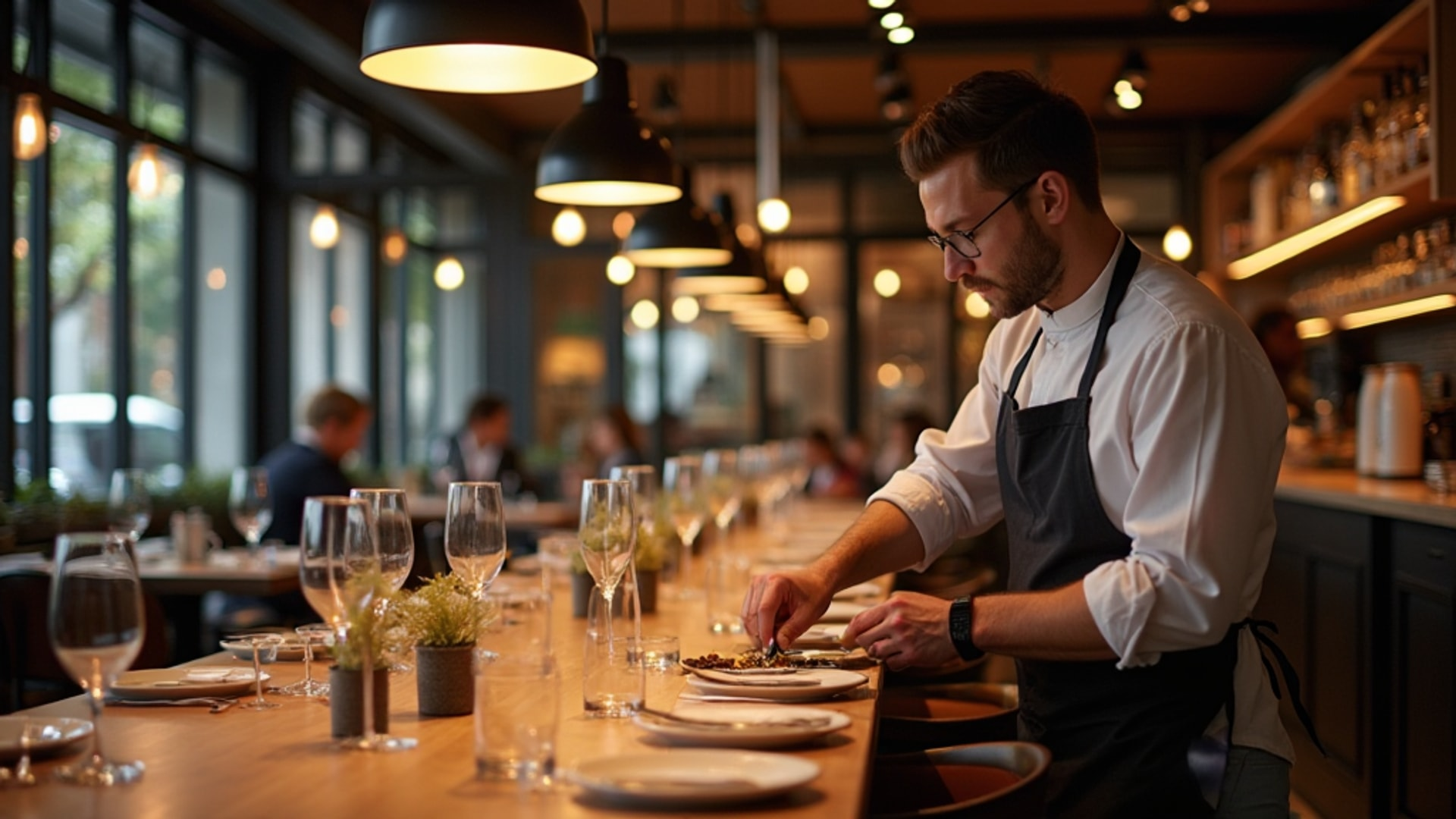
How to build a disciplined supply ordering schedule using par levels, delivery timing, and demand forecasting — so you stop guessing and start ordering with precision.

The restaurant technology stack a growing business needs: the core systems, how they should connect, what they cost, and what to set up before opening day.
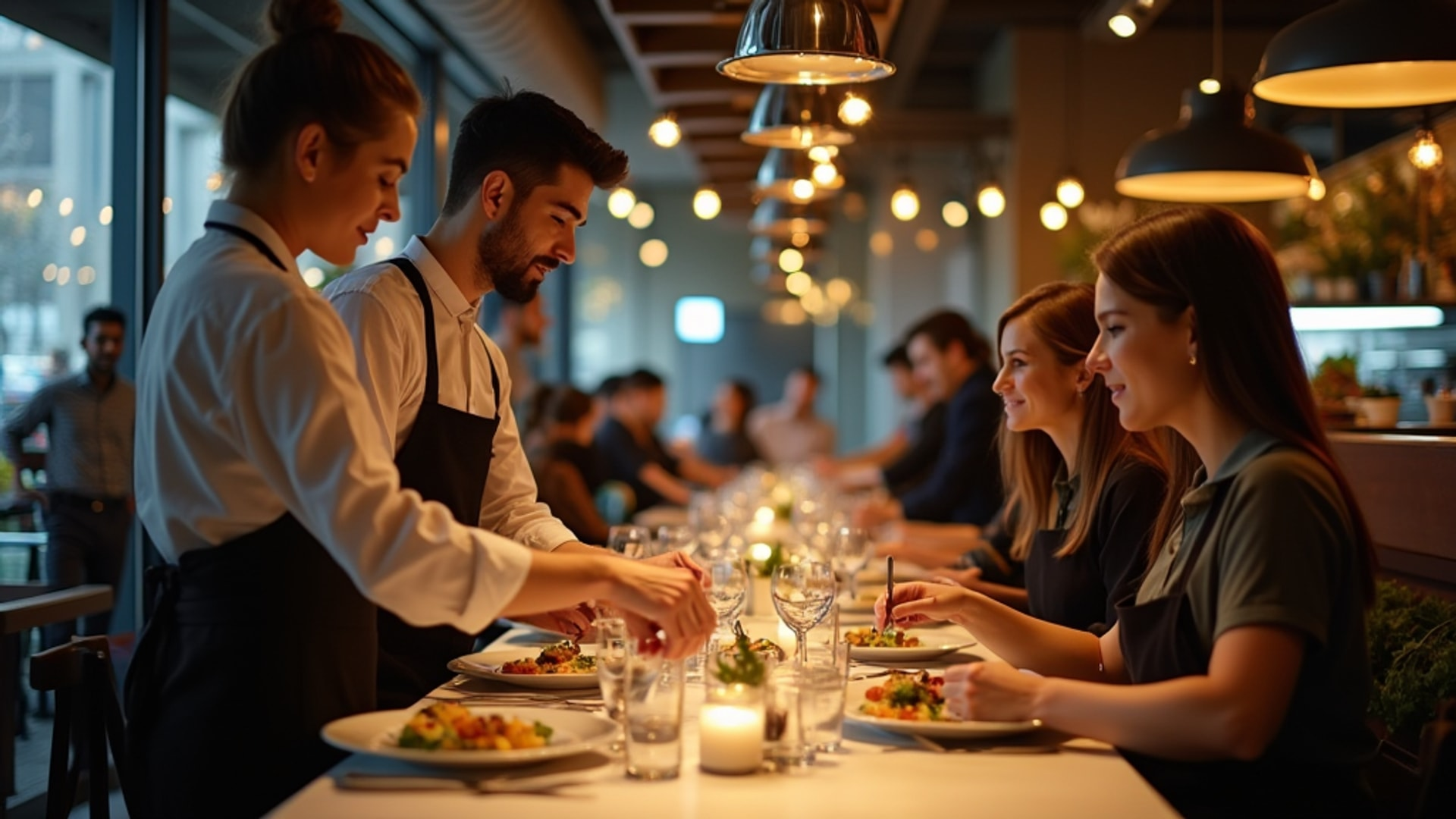
A structured sanitation program organized by frequency is the foundation of health code compliance, equipment longevity, and guest safety — here is exactly what that program looks like.
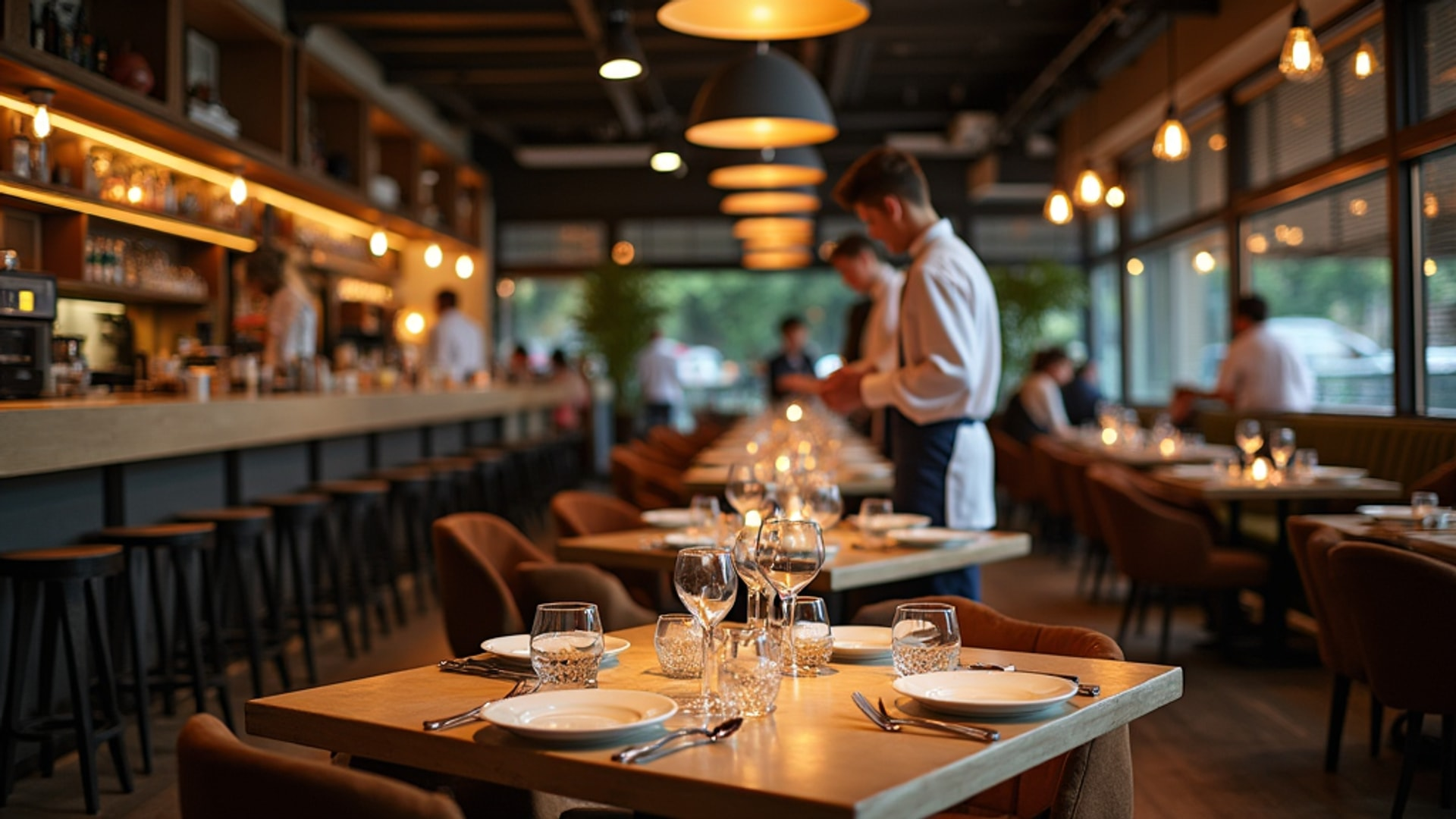
The average restaurant wastes 4-10% of purchased food before it reaches a customer — here's how to close that gap and capture the $8 return for every $1 you invest.
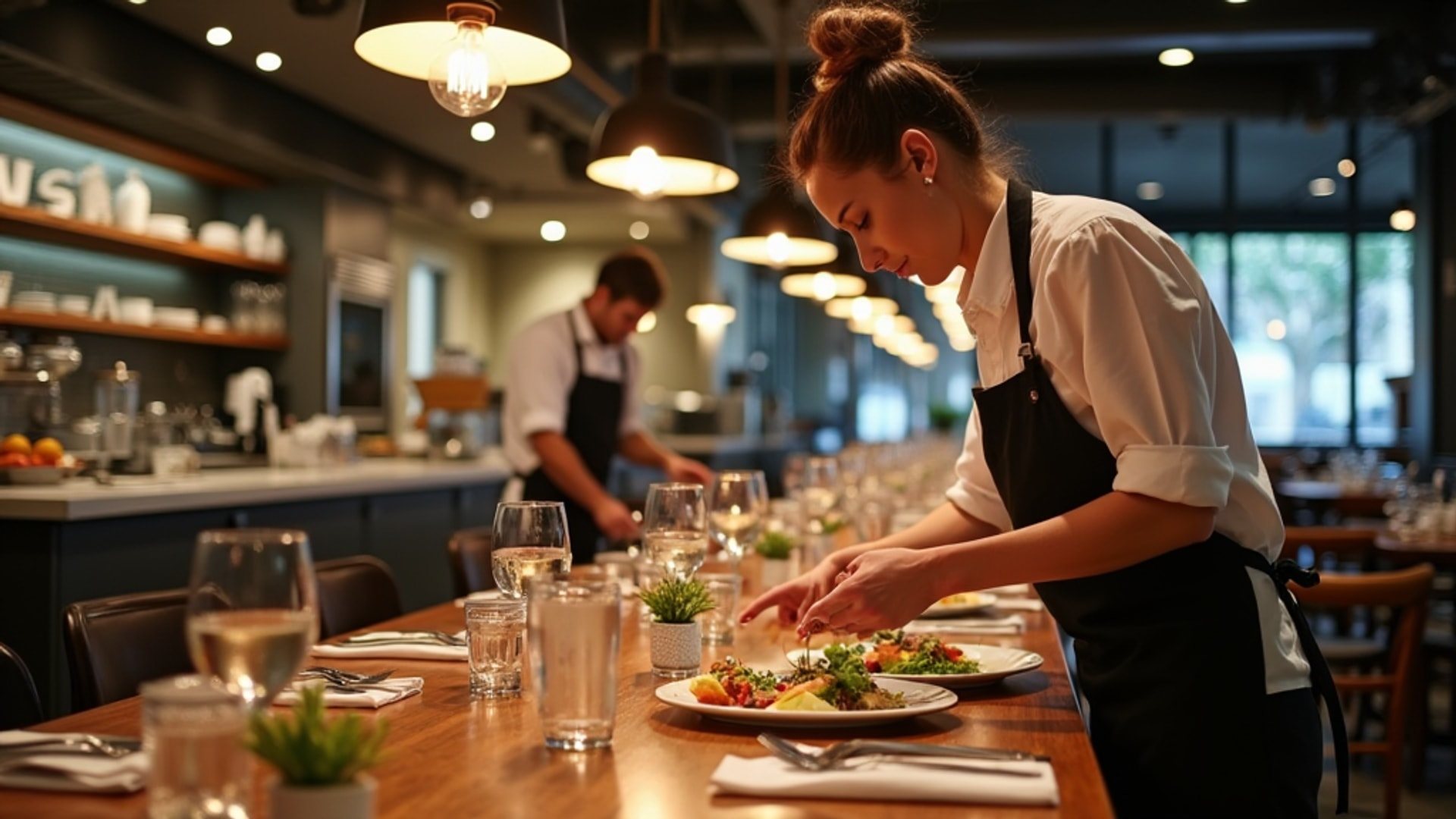
How to receive vendor deliveries correctly every time — with inspection protocols, documentation practices, and dispute procedures that protect your food cost and food safety.