· Design & Ambiance · 10 min read
Restaurant Design Mistakes: Costly Errors and How to Avoid Them
The most expensive restaurant design mistakes aren't obvious until you're already open — learning them before you build saves you from corrections that cost far more than getting it right the first time.
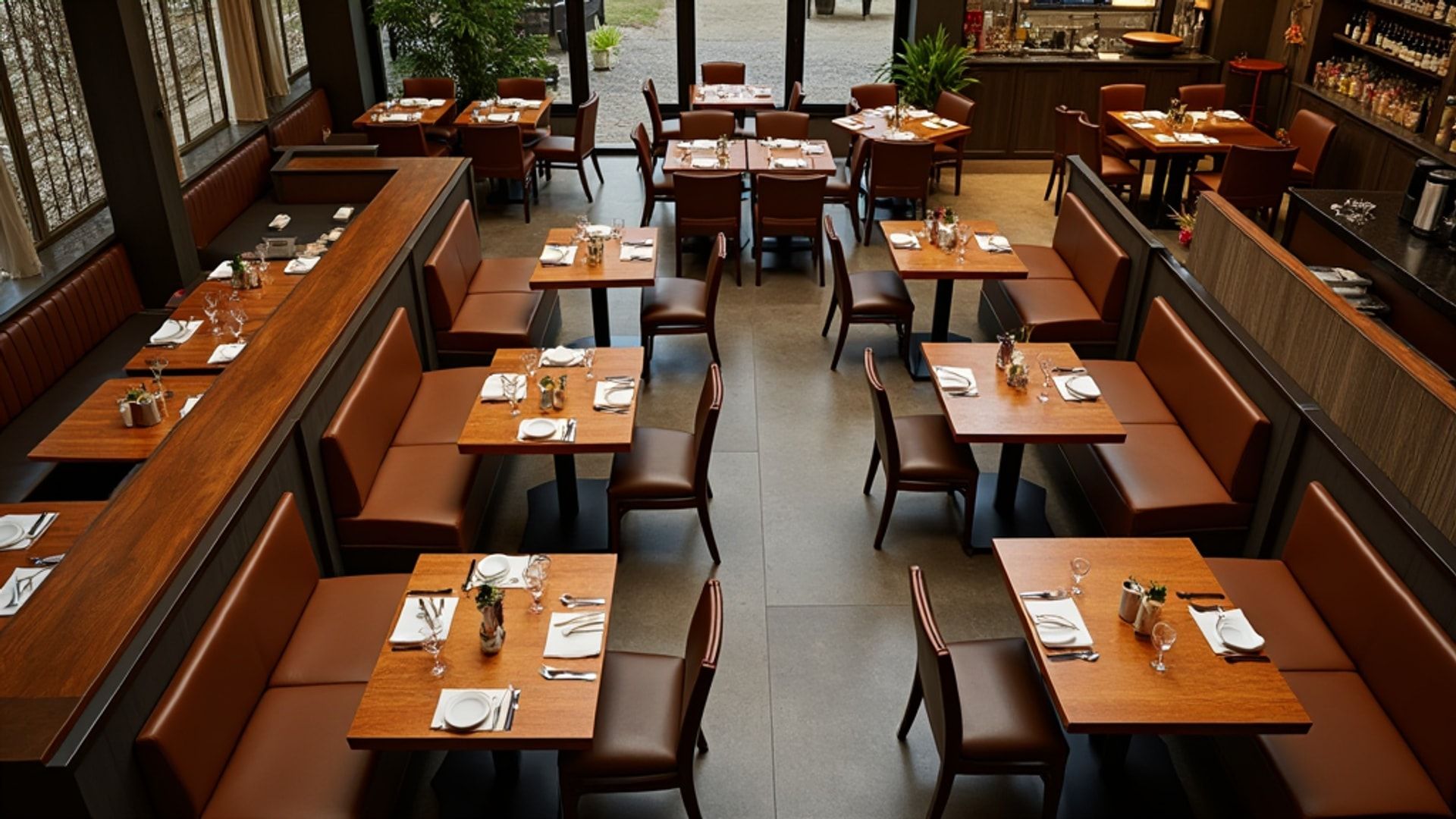
Every restaurant design project contains opportunities for expensive mistakes. Some of them are visible during construction and get caught in time. Others only reveal themselves once the space fills with guests, staff, and the reality of daily operations — at which point fixing them means either living with the problem or spending money you’d already budgeted for something else.
According to Aaron Allen & Associates, one of the most respected restaurant consulting firms in the industry, most design mistakes result from cost-cutting, inexperience, or failure to involve the right professionals at the right stage. The consistent pattern: errors made during planning and design are dramatically cheaper to correct than errors discovered after construction is complete. This guide covers the most common and most costly mistakes, with specific attention to how to prevent each one.
Lighting Mistakes: The Most Common and Most Damaging
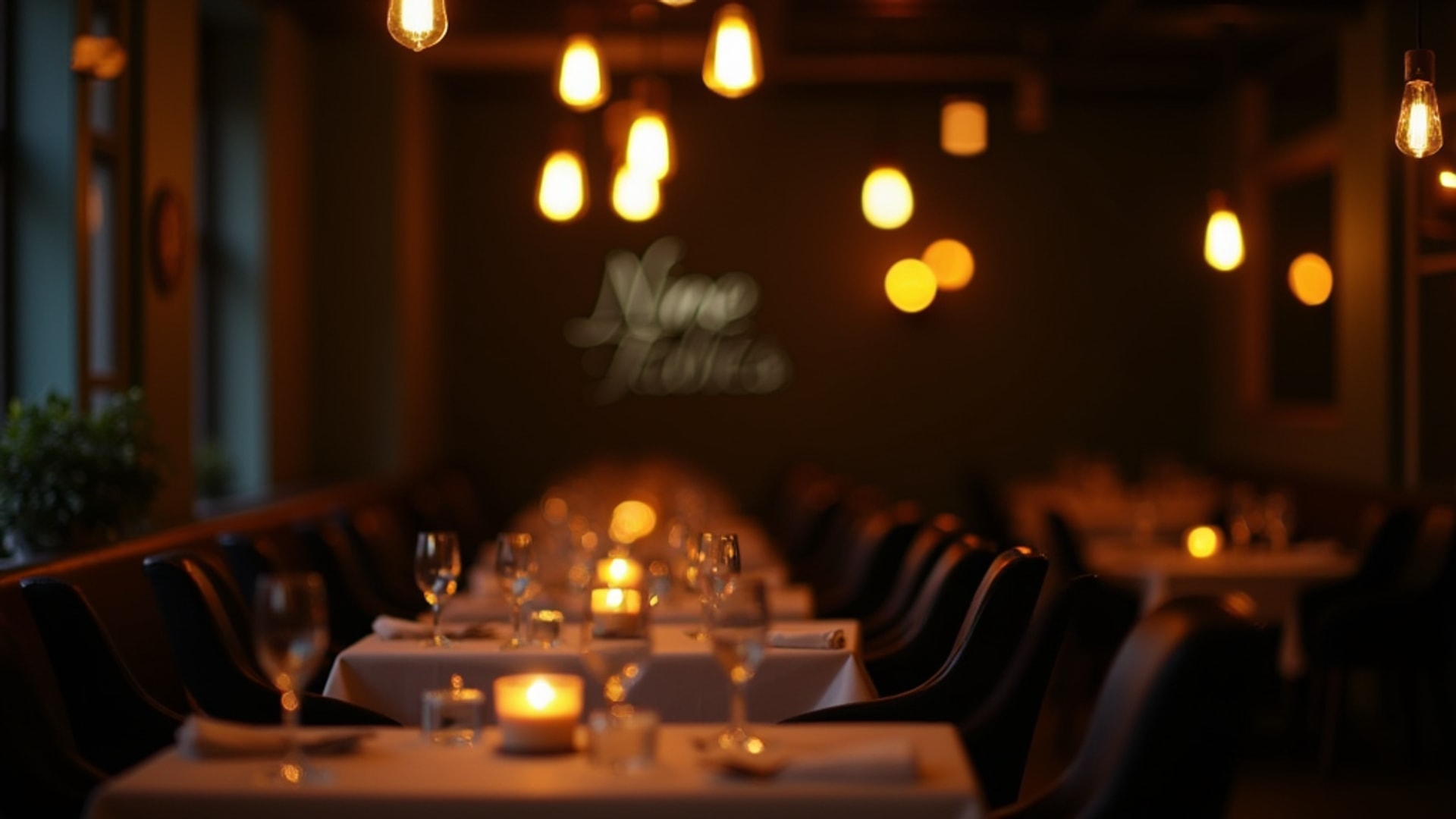
Aaron Allen & Associates identify poor lighting as a top complaint across restaurant types, with problems ranging from dining rooms too dim to read menus to harsh fluorescent glare that strips away any sense of atmosphere.
The core problem is treating lighting as a single decision rather than a layered system. Restaurants need multiple light sources at different heights, intensities, and color temperatures working together to serve different functions:
- Ambient lighting establishes the overall light level and atmosphere of the room
- Task lighting ensures guests can read menus and servers can see what they’re doing
- Accent lighting highlights architectural features, artwork, and display elements
- Decorative lighting — pendants, chandeliers, wall sconces — functions as visual design elements
The fix is a proper lighting design by a qualified lighting designer, specified with dimmable controls throughout. A dining room that runs at dinner service warmth and intimacy should be able to brighten for brunch without requiring different fixture configurations.
What to avoid: relying on a single overhead light type for the entire space. Never install fixed-output lighting in a dining room that serves multiple dayparts. Never select fixtures for their appearance alone without verifying their output, color rendering index (target CRI 90 or above for food presentation), and dimmability.
Space Planning Failure: Trading Comfort for Seat Count
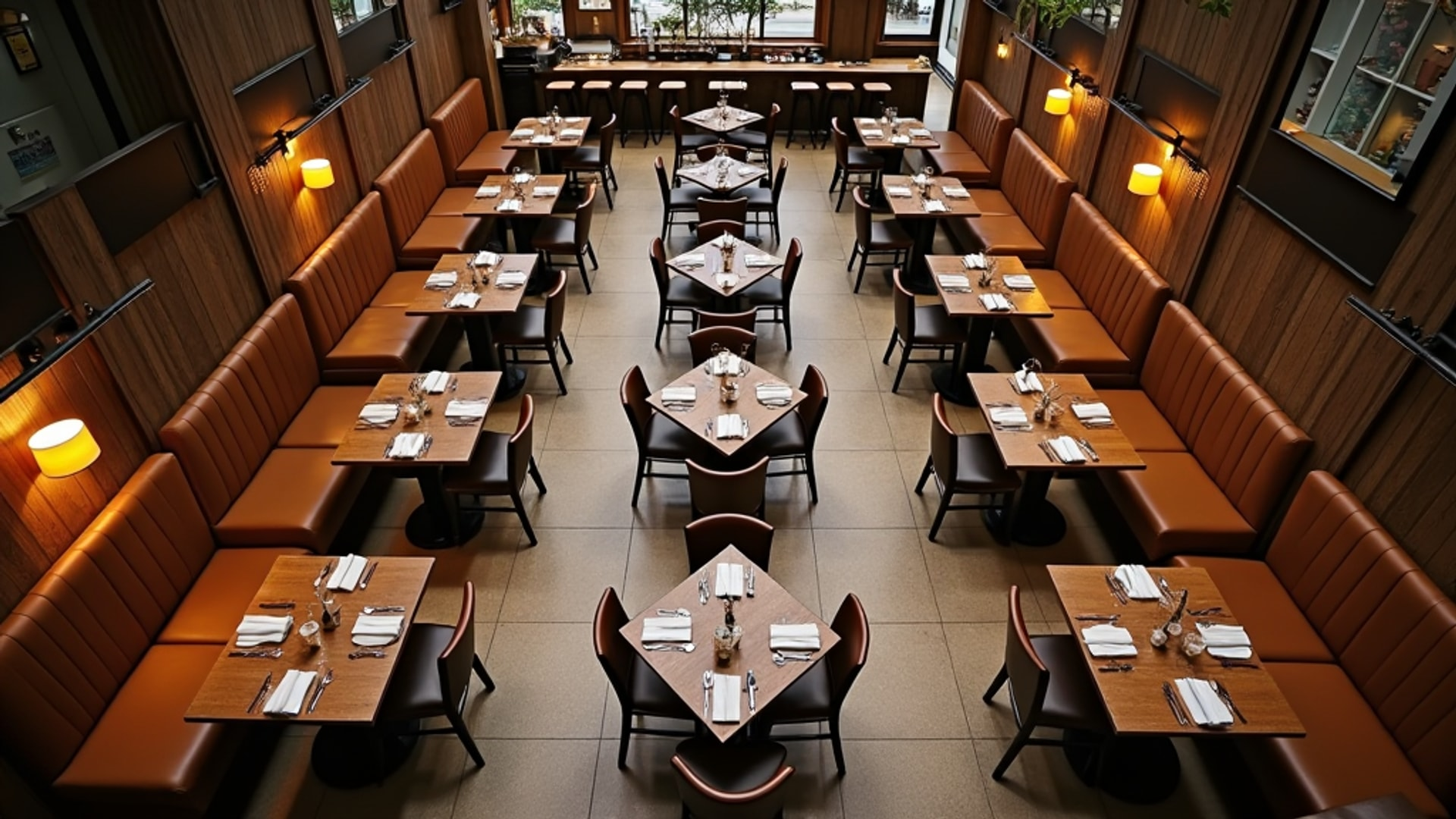
The tendency to squeeze in extra tables is one of the most universal and most damaging restaurant design mistakes. Aaron Allen & Associates describe the pattern clearly: operators prioritize seat count over guest comfort, which is a false economy because uncomfortable guests spend less and return less frequently.
Cramped table arrangements produce a cascade of problems. Servers can’t move efficiently between tables without bumping chairs and guests. Adjacent parties can hear each other’s conversations, destroying privacy at all price points. Guests feel crowded and rushed even when they’re not being pushed out. The physical discomfort registers consciously as a negative experience.
The standard benchmarks exist for good reasons: fine dining typically allocates 20 to 25 square feet per guest including circulation; casual dining works at 15 to 18 square feet; fast casual can compress to 10 to 12 square feet. Going below these minimums creates operational and experiential problems that persist for the life of the restaurant.
The right approach: design for comfort at your service standard, then calculate maximum covers from that — not the reverse. A table layout that works operationally generates higher average checks, better reviews, and more repeat visits than the cramped alternative with two extra covers.
Also part of space planning: service circulation paths. A server’s path from the kitchen to their section should not require navigating between occupied tables. Dedicated server aisles, typically 36 to 48 inches wide, allow efficient service without intruding on guests. This is often sacrificed when operators push for maximum seating and rarely gets recovered without a full renovation.
Storage Underestimation: The Near-Universal Sin
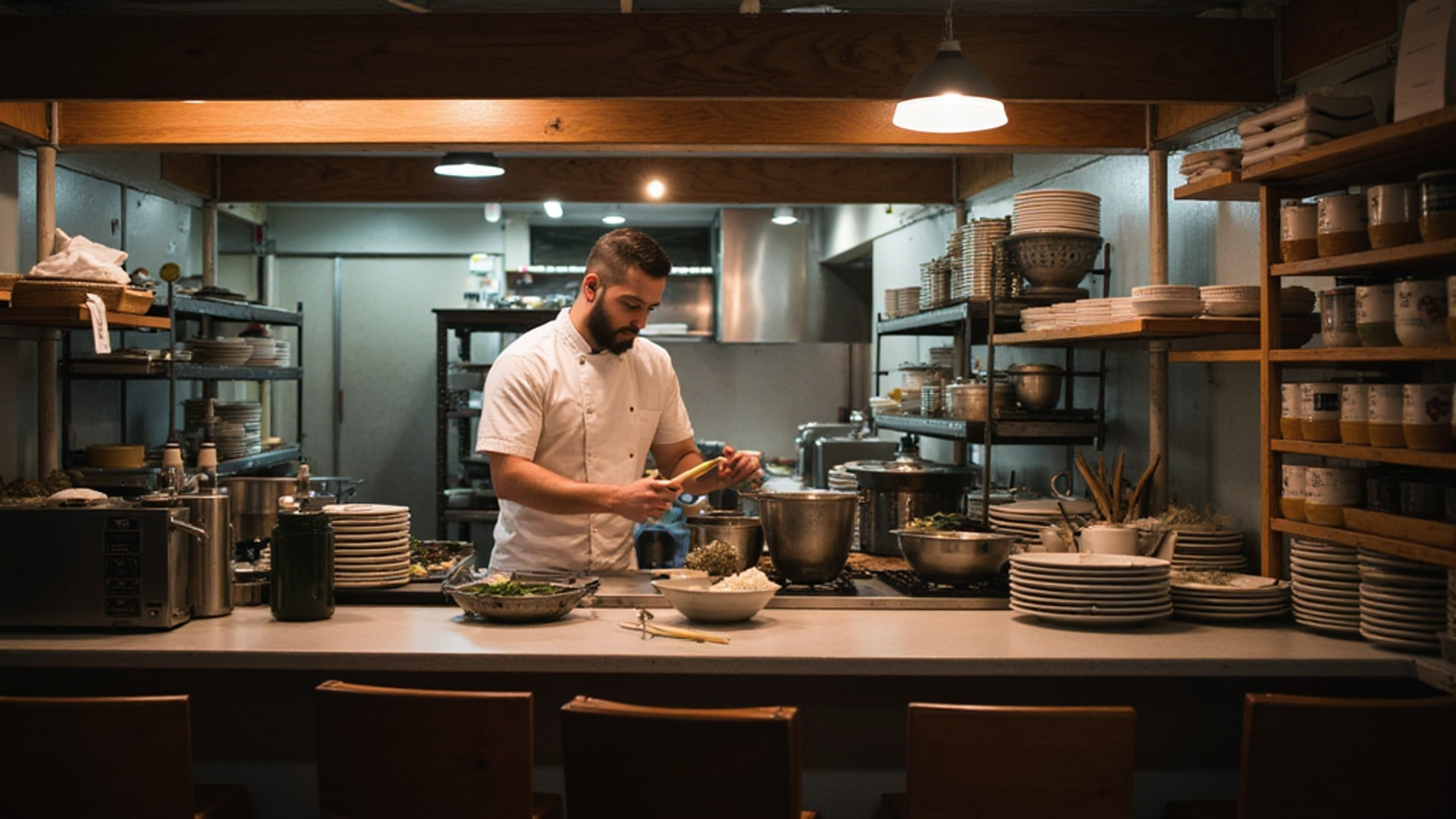
Almost every restaurant operator, on reflection, will tell you they underestimated storage space. According to Aaron Allen & Associates, the tendency to maximize revenue-generating dining space at the expense of back-of-house support creates operational headaches that persist for the life of the business.
Restaurant storage requirements are extensive: dry goods, cleaning supplies, smallwares, seasonal inventory, employee belongings, paper goods, bar back stock, and the dozen categories of operational equipment that don’t have a home during service hours. When there’s no designated space for these items, they end up wherever there’s room — visible to guests, in the way of service, and constantly requiring staff time to manage.
The rule of thumb: if you feel like you’re giving up storage to add a table, you’re probably not giving up enough storage. The table generates a small increment of revenue. The storage deficiency generates daily operational inefficiency for the life of the restaurant.
Acoustic Neglect: The Complaint Nobody Predicts
Aaron Allen & Associates are explicit: acoustic neglect produces dining rooms that become uncomfortably loud as they fill, driving away noise-sensitive guests and generating negative reviews. This mistake is nearly universal in restaurants that don’t specifically plan for acoustic control during design.
The reason it’s so common is that acoustic problems are almost invisible in an empty space. During a site visit or final walk-through before opening, a space with hard floors, plaster walls, and a concrete ceiling sounds fine. Add 80 guests simultaneously talking at the conversational volume required to be heard over the ambient noise, and the room becomes cacophonous. The problem compounds itself: louder ambient noise causes guests to raise their voices, which raises the ambient noise further, which causes everyone to speak louder still.
The solution must be built into the design: acoustic absorptive material distributed across the major reflective surfaces (ceiling, walls) to reduce reverberation time to the comfortable conversation range of 0.6 to 1.0 seconds. This requires dedicated acoustic design, not a few decorative panels added at the end of construction.
What not to do: decide acoustic treatment can wait until after opening. Treatment added after construction is visible, limited in placement options, and never integrates as well as acoustic design built into the space from the beginning.
Inconsistent Branding: The Design Elements That Don’t Belong
Aaron Allen & Associates describe this pattern precisely: design elements chosen for individual appeal rather than cohesive narrative produce spaces that feel disjointed and confusing.
This is how it typically happens: an operator sees a beautiful pendant light at a trade show and buys it because it’s beautiful, independent of whether it fits the concept. Or a reclaimed wood feature gets added because “everyone’s doing reclaimed wood” without considering whether it belongs to the story the restaurant is trying to tell. Or the bathroom gets fitted with the cheapest available fixtures because the budget ran out, even though the bathroom is the last impression before a guest returns to the table.
The result is a space that might contain individually attractive elements but doesn’t add up to a coherent identity. Guests can’t easily categorize the experience, can’t recommend it accurately to others, and don’t form the clear brand associations that drive return visits.
The discipline required is to evaluate every design element against the brand concept, not against the independent question of “is this nice?” If you can’t articulate why a specific choice belongs to your specific restaurant, it probably doesn’t.
The Cluttered Host Station
The host station deserves its own attention because it’s the first interior impression guests form — and Aaron Allen & Associates are explicit that cluttered host stations make poor first impressions. A host station buried under menus, papers, tablets, staff belongings, and miscellaneous operational equipment communicates disorder before the guest has taken a single step into the dining room.
The host station should contain only what’s needed for its function: a reservation or waitlist management device, current-night menus, and minimal personal space for the host. Everything else belongs somewhere else. The design of the station should make maintaining this standard easy — with dedicated, concealed storage for operational items — rather than relying on staff discipline to keep a poorly designed space organized.
The Bathroom as an Afterthought
Aaron Allen & Associates specifically call out bathroom door swing direction as a design detail that matters more than most realize. Outward-opening bathroom doors are preferred for hygiene reasons — they allow guests who’ve washed their hands to exit without touching a handle that other guests have touched without washing theirs. This detail is typically specified by code in newer designs, but many renovated spaces retain the original inward swing.
Beyond the door direction, the bathroom is where many restaurants abandon brand consistency entirely. A restaurant that invests in beautiful dining room materials and finishes that has institutional bathroom fixtures, cheap soap dispensers, and buzzing fluorescent lights undermines the experience at the last touchpoint before guests return to spend more.
Bathrooms should be maintained on a documented schedule throughout service hours, not checked once per shift. Dirty bathrooms are among the most reliably cited complaints in negative reviews and the most preventable.
Ignoring ADA Accessibility Requirements
Aaron Allen & Associates identify ignoring ADA accessibility requirements as a design mistake that exposes restaurants to legal liability. This includes not just the obvious physical access requirements — ramp or level entrance, doorway widths, accessible route through the dining room — but also table heights, restroom fixture positioning, and bar access.
Beyond legal liability, this is a missed business opportunity. Accessibility improvements serve the roughly 26 percent of American adults who live with some form of disability, as well as the families and groups that include them. A restaurant that can’t accommodate a wheelchair user loses not just that guest but their entire party — and future parties they might have brought.
The correct approach is to involve an accessibility consultant during the design phase, not as a final compliance check but as a design input. Accessibility considerations integrated from the beginning typically cost little or nothing extra. Accessibility corrections required after construction can be extremely expensive.
Underestimating HVAC Requirements
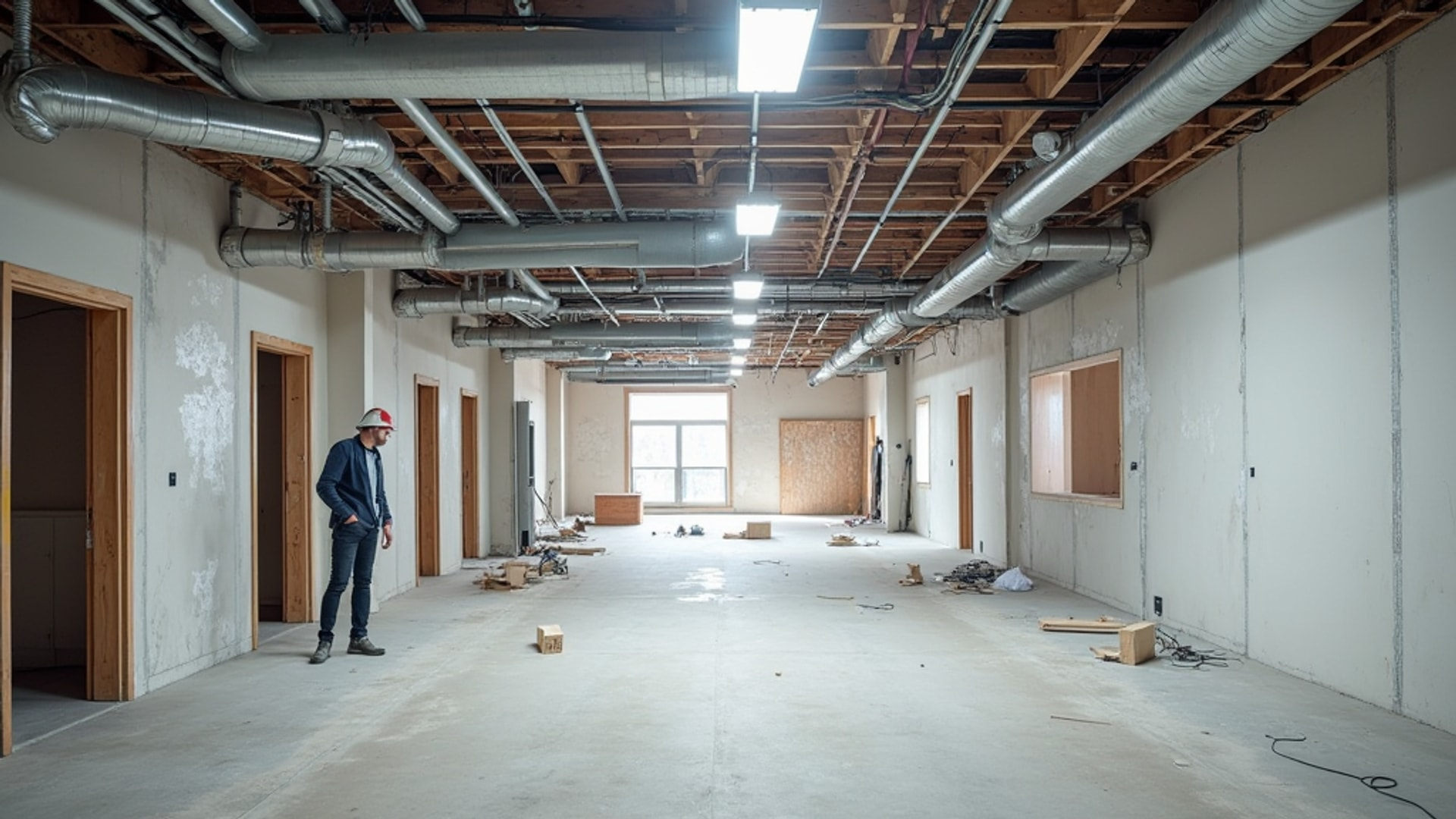
Aaron Allen & Associates list inadequate HVAC requirements leading to uncomfortable temperatures and odor migration as a common design mistake. This one is particularly painful because HVAC systems are difficult and expensive to upgrade after construction.
Commercial kitchen ventilation, in particular, must be designed by a mechanical engineer who understands cooking equipment loads. The exhaust capacity must match the actual heat, steam, and particulate output of the specific equipment being installed — not a generic estimate. Undersized kitchen ventilation means heat and cooking odors migrate into the dining room, making guests uncomfortable and communicating operational disorder.
Dining room HVAC must account for the thermal load of full occupancy, cooking equipment in an adjacent kitchen, solar gain through windows, and the varying requirements of different dayparts. A system that’s comfortable during a slow weekday lunch may be inadequate during a packed Saturday dinner service.
The Fix Is Almost Always More Expensive After Opening
The consistent message across all of these mistakes is the same: fix them during design, not after construction. Aaron Allen & Associates recommend budgeting one to two percent of total sales annually for ongoing facility maintenance — but that budget is for normal wear and maintenance, not for correcting fundamental design errors.
The process protection is simple: hire experienced restaurant designers, get multiple professional opinions on space plans and lighting designs before finalizing, visit similar restaurants and observe how operational issues manifest in their design, and resist the temptation to cut the design budget as a way to reduce upfront costs. The restaurant that saves $15,000 on design fees and spends $80,000 correcting the resulting problems two years after opening has not saved money.
Design is where the decisions are cheapest. Make good ones.
→ Read more: Hiring a Restaurant Designer
→ Read more: Restaurant Renovation Timeline