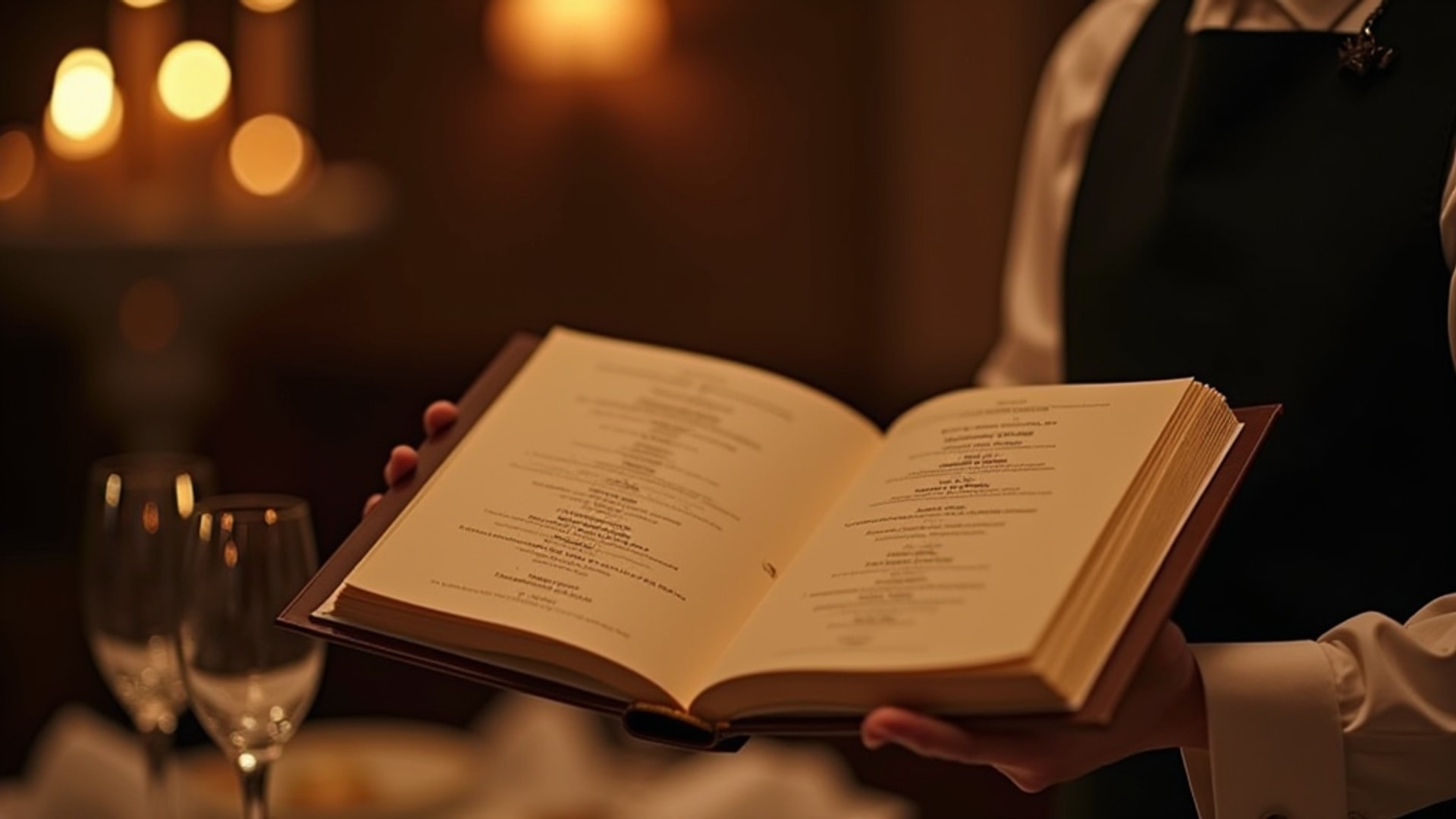
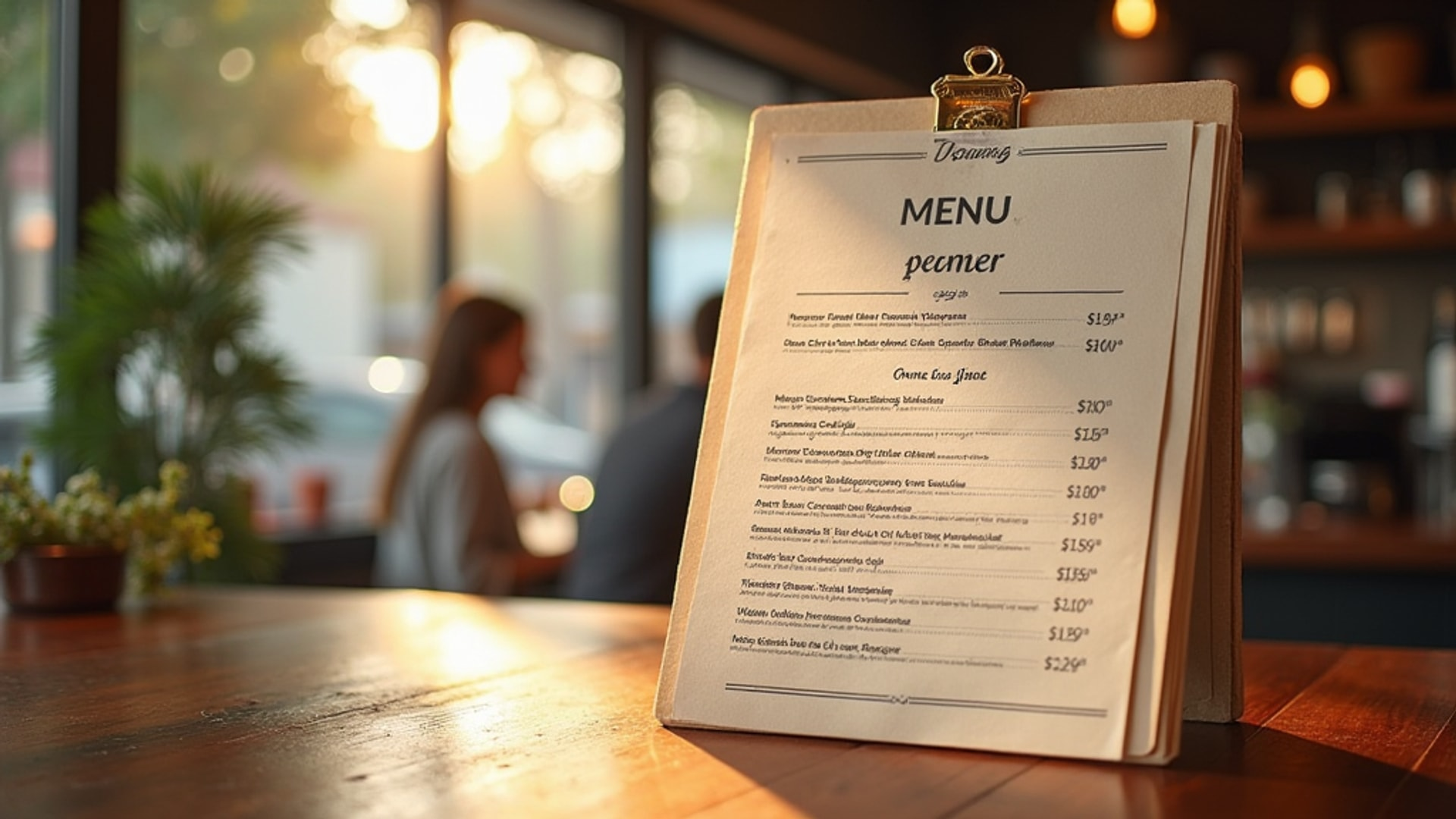
Your menu is the single most important piece of marketing your restaurant produces. Every guest reads it. Every order starts with it. And yet, most restaurants treat their menu as an afterthought — a functional list of dishes and prices without much strategy behind it.
A well-designed menu can increase average check size by 10 to 15 percent, steer guests toward your most profitable items, and reduce the decision fatigue that leads to safe, low-margin orders. It is, in every sense, your silent salesperson.
PlayMenu engineering analyzes each dish along two dimensions: how popular it is and how profitable it is. Every item falls into one of four categories.
Stars are both popular and highly profitable. Feature them prominently and protect their recipes. Plowhorses sell well but carry thin margins — re-engineer portions or swap a less expensive ingredient without losing the appeal. Puzzles are profitable but underordered, and they need better positioning, a stronger description, or a server recommendation. Dogs are neither popular nor profitable. Remove them.
This analysis requires accurate food costing data and reliable sales mix reports from your POS system. Review your engineering matrix at least quarterly, and always after a significant price or recipe change.
PlayPricing Psychology
How you present prices matters almost as much as the prices themselves.
Drop the dollar sign. Removing the currency symbol reduces the pain of paying. Instead of “$24.00,” simply print “24.” Avoid price columns. When prices align neatly on the right, guests scan straight to the cheapest option. Embed the price at the end of the description instead.
Use anchor items. A premium, high-priced dish near the top of a section resets the guest’s mental price scale, making everything below it feel more reasonable. Match pricing format to brand. Charm pricing (.99, .95) signals value for casual concepts. Round numbers (16, 24, 30) feel premium for upscale dining.
Bundle strategically. Prix fixe menus and meal deals create perceived value while giving you control over food cost. When a guest pays a flat rate for three courses, you choose which dishes to include and steer toward high-margin items.
For the financial mechanics behind pricing decisions, see our guide on food costing and the broader finance category.
PlayMenu Layout and Visual Design
The physical or digital layout determines what guests see first and what they skip.
On a single-panel or two-panel menu, the upper right area receives the most visual attention — place your highest-margin stars there. Limit choices to seven to ten items per category to prevent decision fatigue. A tighter menu also means a tighter kitchen — less waste, faster execution, and more consistent quality.
Use boxes and whitespace sparingly to highlight one or two items per section. Descriptive, sensory language increases sales: “free-range chicken breast, chargrilled over applewood, with roasted garlic mashed potatoes and shallot-thyme jus” outsells “grilled chicken breast” every time. Be specific and honest.
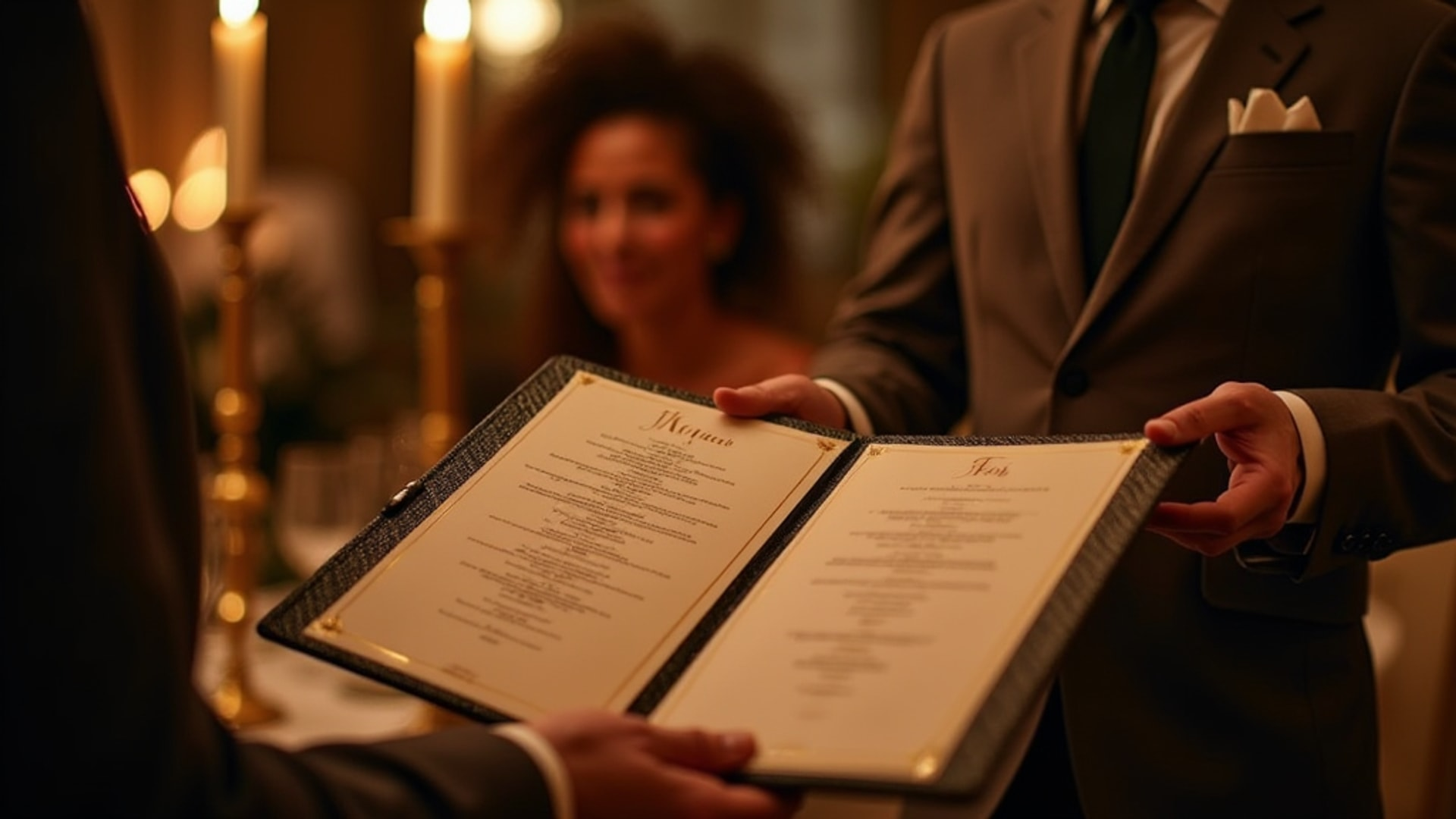
Photography boosts sales in casual and fast-casual concepts but can cheapen the perception in fine dining. Know your audience, and make sure your menu design aligns with your overall brand and marketing strategy.
Seasonal Menus and Food Trends
A static menu gets stale for guests and kitchen teams alike. Seasonal rotations keep offerings fresh, leverage ingredients at peak quality and lowest cost, and inject creative energy into the line.
Keep your stars and plowhorses in place and rotate 20 to 30 percent of your offerings each quarter. Limited-time offers create urgency and social media buzz while letting you test new dishes at low risk before committing them to the permanent lineup.
Track food trends with restraint. Plant-based proteins, global flavor profiles, fermented foods, and sourcing transparency represent lasting shifts worth embracing. Fads that don’t fit your concept will dilute your identity. Work with your kitchen team to plan seasonal transitions at least a month in advance — new dishes need recipe development, costing, plating standards, and server training before launch.
Dietary Accommodations
The modern diner expects to be accommodated. Allergies, intolerances, religious dietary laws, and lifestyle choices like veganism are mainstream considerations, not edge cases.
Label items clearly with simple, universally recognized icons for vegetarian, vegan, and gluten-free options. Train your staff on every ingredient in every dish, including sauces, garnishes, and shared cooking surfaces — a wrong answer is a liability issue, not just a service failure.
Build flexibility into recipes with modular components so swapping a protein or removing a sauce is easy for the kitchen. Give plant-based and allergen-friendly dishes the same creative attention as everything else on the menu. Some of your most innovative cooking may come from working within constraints.
Putting It All Together
Menu strategy is not a one-time project. It is an ongoing discipline that connects your kitchen, your finances, your marketing, and your guest experience into one coherent system.
Start with your numbers — know your food costs, sales mix, and margin on every dish. Engineer your menu around profitability and popularity. Present it with intention. Refresh with the seasons. And make sure every guest, regardless of dietary need, feels welcome at your table.
Your menu speaks for you when you are not at the table. Make sure it says the right things.