· menu
Recipe Standardization: Building Consistent, Profitable Dishes at Scale
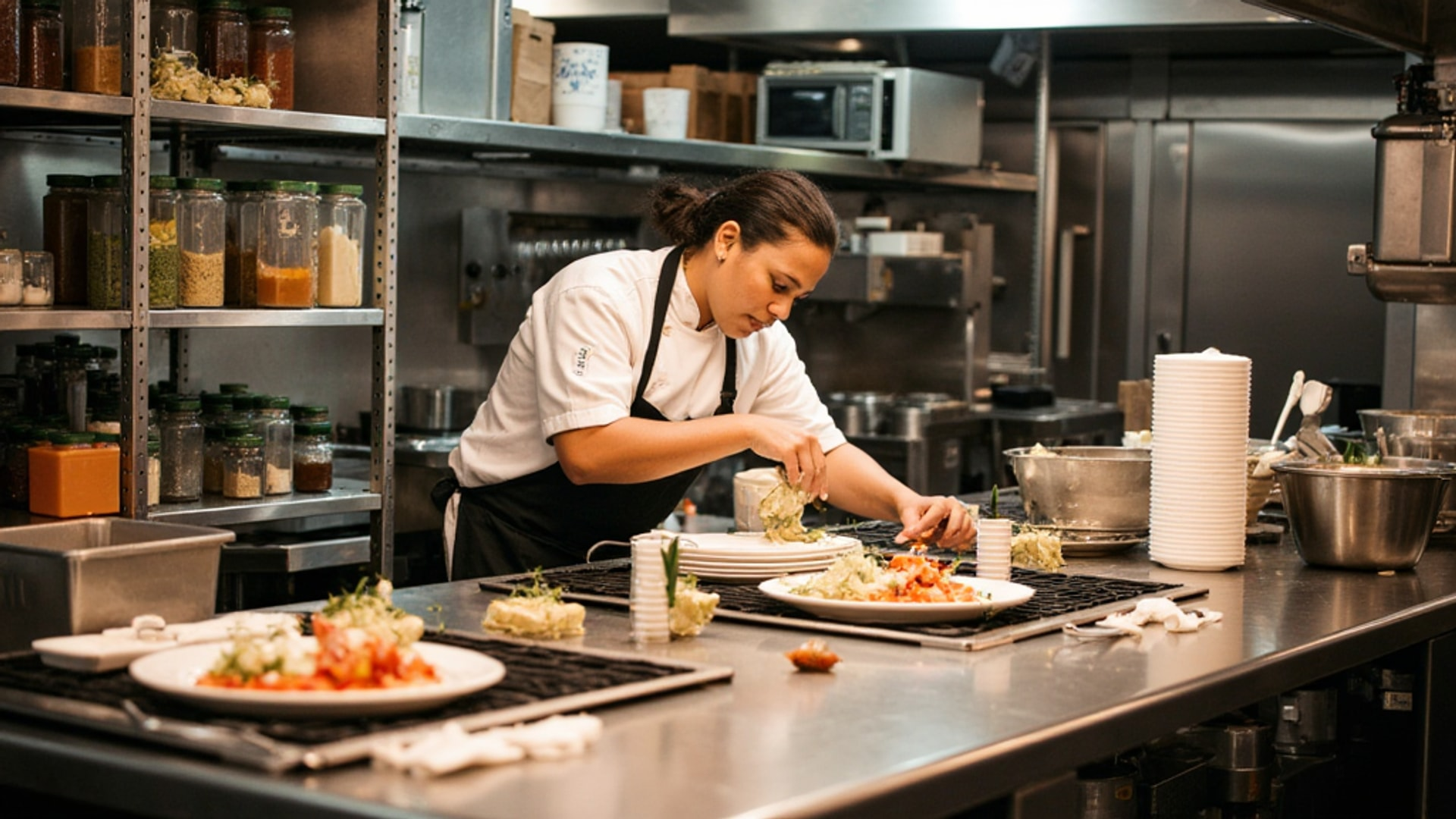
Why standardized recipes are the backbone of food cost control and how to build a system that holds up in production.
Why standardized recipes are the backbone of food cost control and how to build a system that holds up in production.
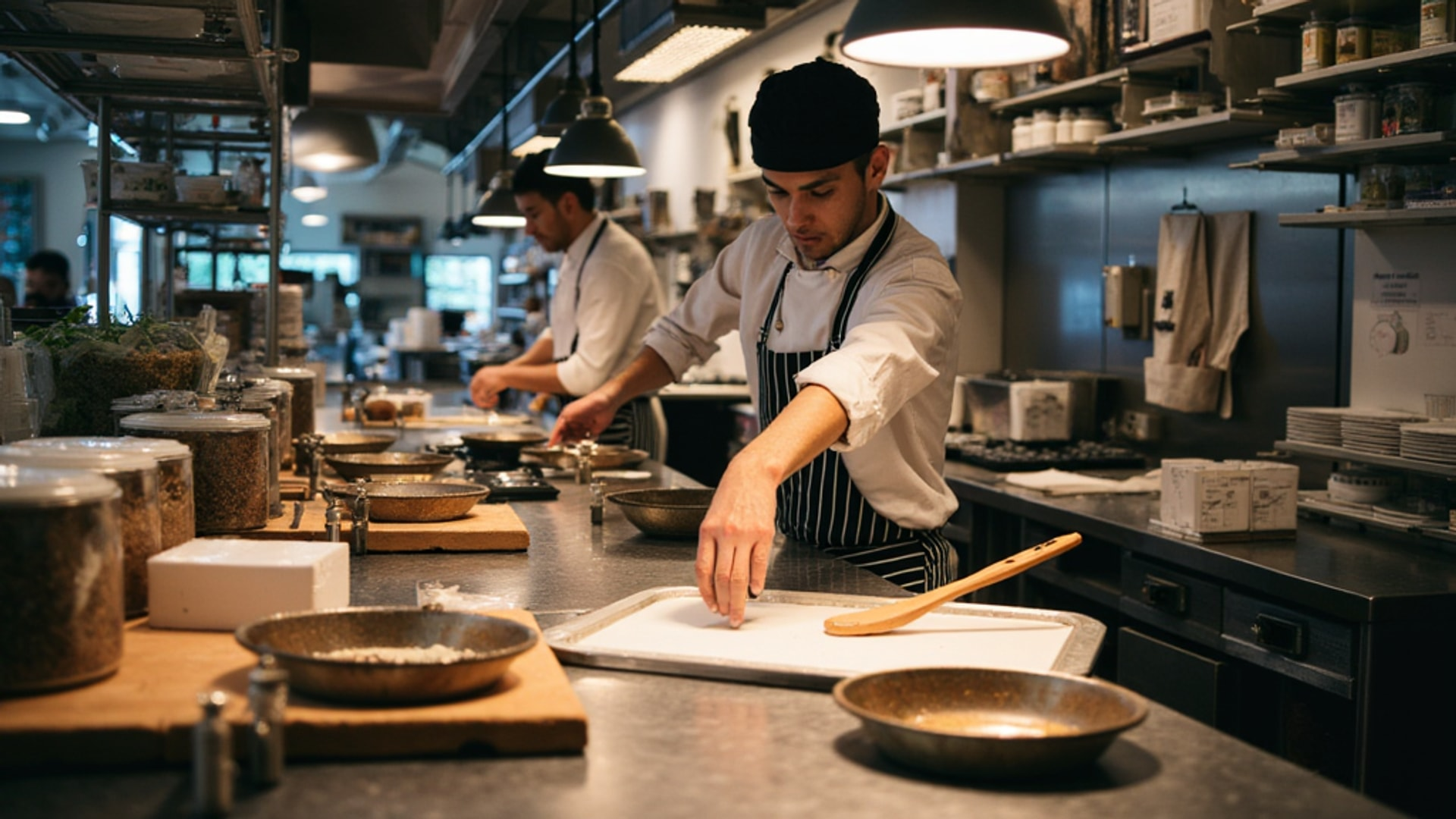
Inconsistent portions are one of the most common — and most preventable — drivers of food cost overruns in restaurant kitchens.
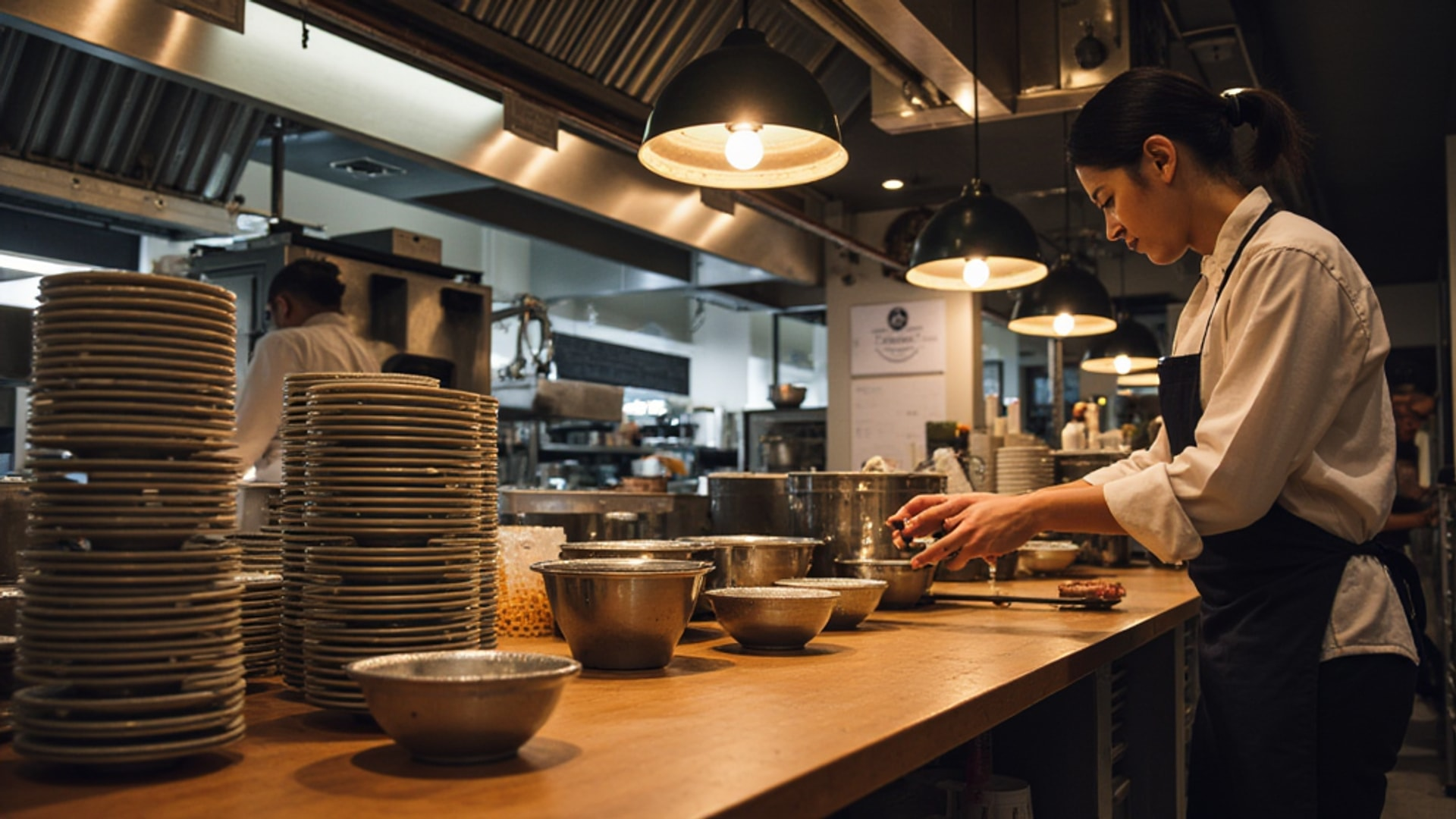
How to calculate theoretical versus actual food cost, identify where the gap comes from, and build kitchen-level systems that close it — with specific benchmarks and tools.

The brigade system developed by Auguste Escoffier still shapes how professional kitchens organize, communicate, and develop talent. Here's how the traditional structure works, how modern kitchens have adapted it, and how to choose the right model for your operation.
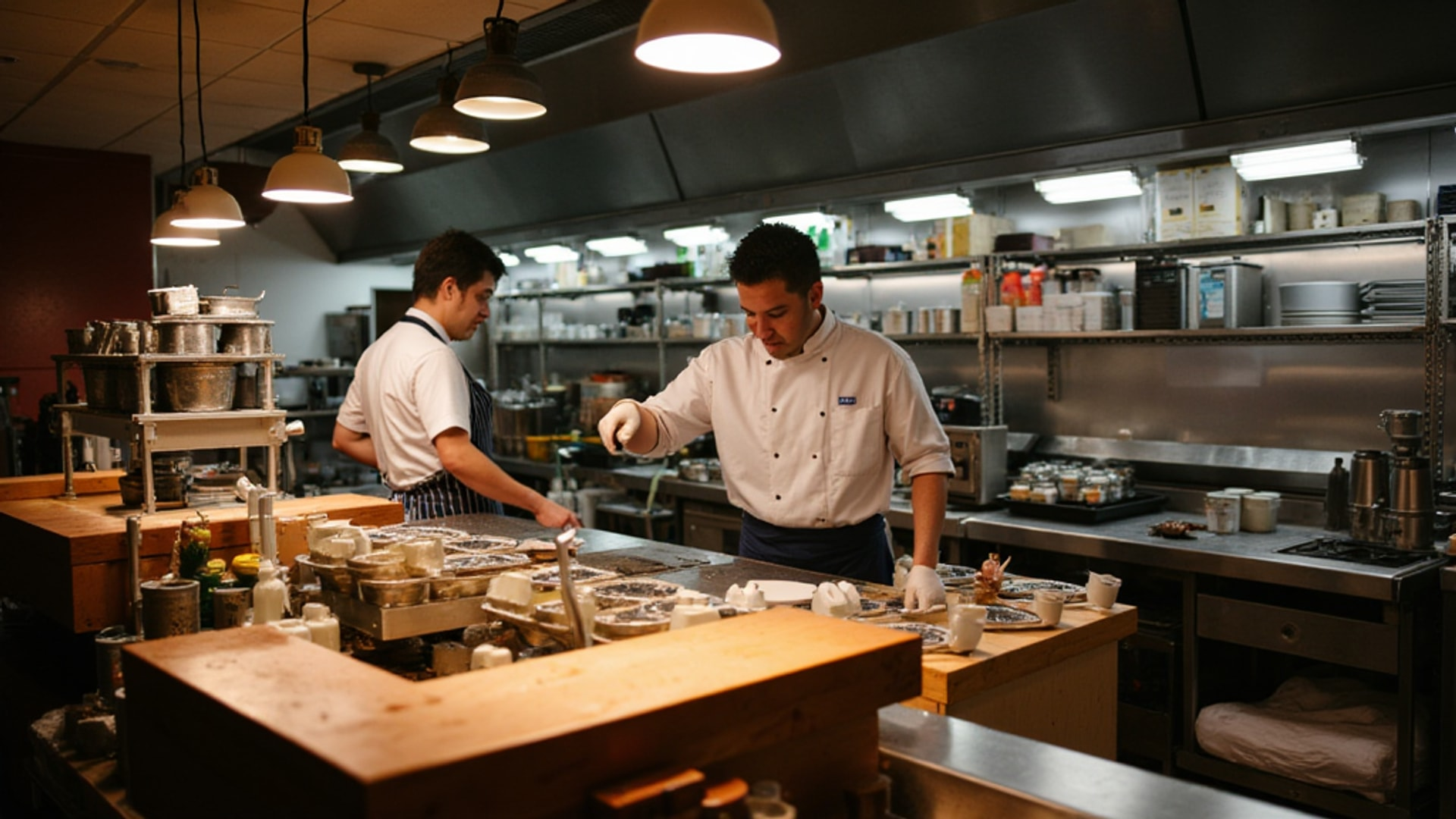
How to set realistic ticket time standards, identify what is causing slowdowns, and use mise en place, KDS technology, and menu design to hit your targets consistently.

Every restaurant has conflict — the difference between high-performing teams and dysfunctional ones is not the absence of disputes, it's how fast and fairly managers resolve them.
The expeditor is the final quality checkpoint and the nerve center of service. Here is how to set up the expo station, manage ticket flow, and develop the skills that make a great expo.
Without the right metrics, kitchen management is guesswork — here are the key performance indicators that actually tell you how your kitchen is performing.

How to run a restaurant pest control program that satisfies health inspectors, protects your food safety reputation, and actually keeps pests out.
A breakdown of every layer of restaurant kitchen communication — voice calls, expo management, and the digital systems that tie front and back of house together.