· Kitchen · 7 min read
Steam Tables and Hot Holding: Equipment Selection, Temperature Management, and Service Best Practices
Everything operators need to know about steam tables — heating methods, temperature requirements, gas versus electric, and how to keep food safe and appealing throughout service.
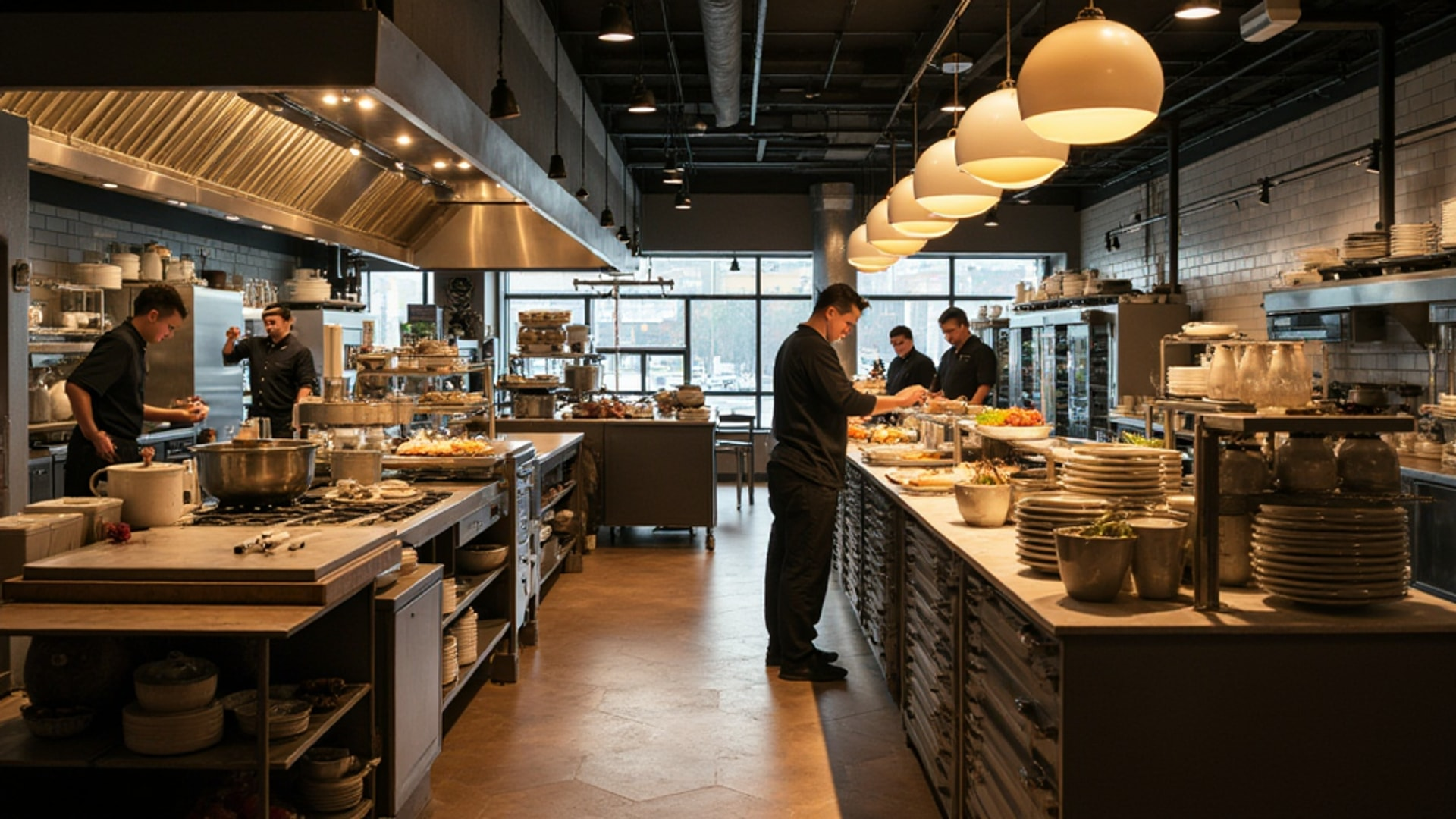
Steam tables are the workhorses of buffet, cafeteria, hotel kitchen, and banquet operations — and they are frequently misused in ways that compromise food safety and food quality simultaneously. Understanding what a steam table can and cannot do, and how to operate one correctly, determines whether your hot-held food is a safe, appetizing product or a food safety liability.
What a Steam Table Is (and Is Not)
According to WebstaurantStore, steam tables are designed to keep pre-cooked hot foods at safe serving temperatures in high-volume operations. They are standard equipment in buffets, cafeterias, hotel kitchens, and any restaurant maintaining a hot line. This is the critical point that many operators miss: steam tables hold food at temperature. They cannot cook food, and they cannot safely reheat cold items.
A steam table that starts with food at 140°F will maintain that food at 140°F. A steam table starting with food at 100°F (improperly cooled after cooking, or held in the danger zone during transport) does not raise food to safe temperature — it holds it in the danger zone. If your hot-holding starts with food that is not at temperature, your steam table will not fix the problem.
This means your pre-service protocol is as important as the equipment itself. Food must reach safe temperature (135°F or above) before it goes into the steam table.
Temperature Requirements
According to WebstaurantStore, food safety regulations mandate that hot-held food must maintain a temperature of 135 degrees Fahrenheit or above at all times.
The USDA FSIS guidelines establish that hot food must be maintained at 140°F or warmer during service, with the temperature danger zone defined as 40 to 140°F — the range where bacteria multiply most rapidly, potentially doubling in number in as little as 20 minutes.
Practical monitoring requirements:
- Check the temperature of held food with a calibrated thermometer at regular intervals (every 1 to 2 hours minimum during service)
- Stir thick soups, stews, and sauces regularly to prevent cold spots at the center of the pan
- Monitor water levels in wet wells — evaporation reduces heat transfer efficiency and can allow held food temperatures to drift downward
- Replace or discard food that has fallen below 135°F and cannot be quickly reheated above 165°F — follow your HACCP protocols for disposition of temperature-abused food
Moist vs. Dry Heating: Choosing the Right Method
According to WebstaurantStore, steam tables use two fundamental heating approaches. The correct choice depends on what you are holding.
Moist heating fills the wells underneath food pans with water, which is heated by electric elements or gas burners. The resulting steam creates gentle, even heat ideal for:
- Mashed potatoes and other purées
- Soups, stews, and chili
- Gravies and sauces
- Steamed vegetables
- Rice dishes
- Any item that must retain moisture content during the hold period
Dry heating operates without water, using exposed or sealed elements to warm air directly in the wells. This method preserves crispness in items that would become soggy in a moist environment:
- Fried chicken
- French fries and fried sides
- Onion rings and other breaded items
- Roasted meats that should not steam
The most common mistake in steam table operation is using moist heat for everything out of habit. Fried chicken held in a moist-heat well for two hours at a buffet is soggy, soft-skinned, and unappetizing — technically safe but commercially damaging. Matching heating method to food type maintains product quality throughout the hold period.
Gas vs. Electric: Selection Criteria
According to WebstaurantStore:
Gas steam tables:
- Heat faster and typically maintain temperature through power outages (if gas supply continues)
- Simpler mechanics with fewer failure points
- Generally lower fuel cost in markets where natural gas is cheaper than electricity
- Add heat to the kitchen environment (can exacerbate heat stress in high-ambient kitchens)
- Usually stationary installations — running gas lines limits positioning flexibility
- Less precise temperature control than electronic models
Electric steam tables:
- Greater energy efficiency
- More precise temperature controls with digital thermostats available
- Do not contribute additional combustion heat to the kitchen
- Available in both plug-in portable and hardwired configurations
- Portable options for catering and events
- Dependent on electrical infrastructure — capacity and outlet positioning constrain placement
The practical decision often comes down to your kitchen’s existing infrastructure. If you have a well-positioned gas line and ventilation to manage the heat load, gas may be the simpler choice. If you need positioning flexibility or have a catering component, electric’s portability is a meaningful advantage.
Well Configurations and Accessories
According to WebstaurantStore, steam table configurations include:
Open wells: Allow both moist and dry heating. Most flexible configuration but require spillage pans for water collection in moist mode.
Sealed wells: The heating source is enclosed and water is added directly to the sealed well. Cannot operate in dry mode — dedicated to moist heat holding.
Drop-in steam tables: Individual wells that can be installed into a custom counter or serving line. Useful for operators designing a service station from scratch.
Countertop portable units: Self-contained electric units with 2 to 8 wells. Appropriate for catering, satellite service stations, and smaller cafeteria operations.
Key accessories that improve function and food safety:
| Accessory | Purpose |
|---|---|
| Stainless steel food pans (1/3, 1/2, 1/6 sizes) | Standard NSF-rated food storage in various configurations |
| Adapter plates and bars | Allow smaller pans to fit larger well openings |
| Lids for food pans | Trap heat and moisture; reduce temperature fluctuation |
| Overshelves with sneeze guards | Required for self-service buffet compliance in most jurisdictions — check health department requirements |
| Overshelf heat lamps | Supplement well heat at the surface of exposed items |
| Water filtration system | Reduces mineral buildup and extends equipment life |
Cleaning and Maintenance
Steam table maintenance is straightforward but must be consistent:
Daily cleaning:
- Drain wells completely after service
- Wash wells with warm soapy water, rinse, and sanitize
- Remove and clean food pans and drip trays
- Wipe exterior surfaces with appropriate cleaner
Weekly:
- Remove and clean any heating elements accessible for cleaning
- Inspect the interior well surface for mineral scale
- Check that thermostats are reading accurately (compare to calibrated probe thermometer)
Monthly:
- Descale wells in hard water areas using commercial descaling solution per manufacturer instructions
- Inspect electrical connections and gas fittings for signs of wear
- Check that temperature controls are calibrated (target temperature on the dial should match the actual temperature measured in a filled pan)
Water filtration on the fill line — a simple sediment and scale-inhibitor filter on the water connection — extends the interval between descaling and reduces maintenance time significantly. According to The Restaurant Warehouse, hard water scale on heating elements reduces heat transfer efficiency, meaning the unit must run hotter and longer to maintain target temperatures. Treating the water supply to the steam table is a maintenance cost that pays for itself in reduced service calls.
Operational Best Practices Checklist
Before service:
- Fill wells and preheat to operating temperature at least 30 minutes before loading food
- Verify water level in moist wells before and during service
- Confirm all pans of food are at 135°F or above before placing in wells
During service:
- Check food temperatures with thermometer every 1 to 2 hours
- Stir soups, sauces, and dense items to eliminate cold spots
- Refill moist wells as needed — do not allow wells to run dry
- Replace empty pans promptly; do not top-up pans (add fresh food to remaining food), which extends hold time beyond safe limits
After service:
- Record food temperatures at the end of service; discard items that cannot meet hold temperature requirements
- Drain and clean wells immediately — do not allow water to sit overnight
- Inspect for damage and report needed repairs
A well-operated steam table is invisible to the guest — the food arrives hot, consistent, and as intended. A poorly operated one produces food safety incidents, guest complaints, and wasted product. The difference is almost entirely operational discipline, not equipment quality.
→ Read more: Food Storage and Temperature Control: Zones, Rotation, and Compliance
→ Read more: Kitchen Equipment Essentials: What to Buy, What to Skip, and How to Save
→ Read more: Kitchen Cleaning and Sanitation: Schedules, SSOPs, and Health Code Compliance