· Marketing · 10 min read
Marketing Experiential Dining: Selling Memories, Not Just Meals
Experiential dining grew 27% in 2024, driven by consumers who want meals that are worth talking about — and the marketing opportunity that creates is significant.
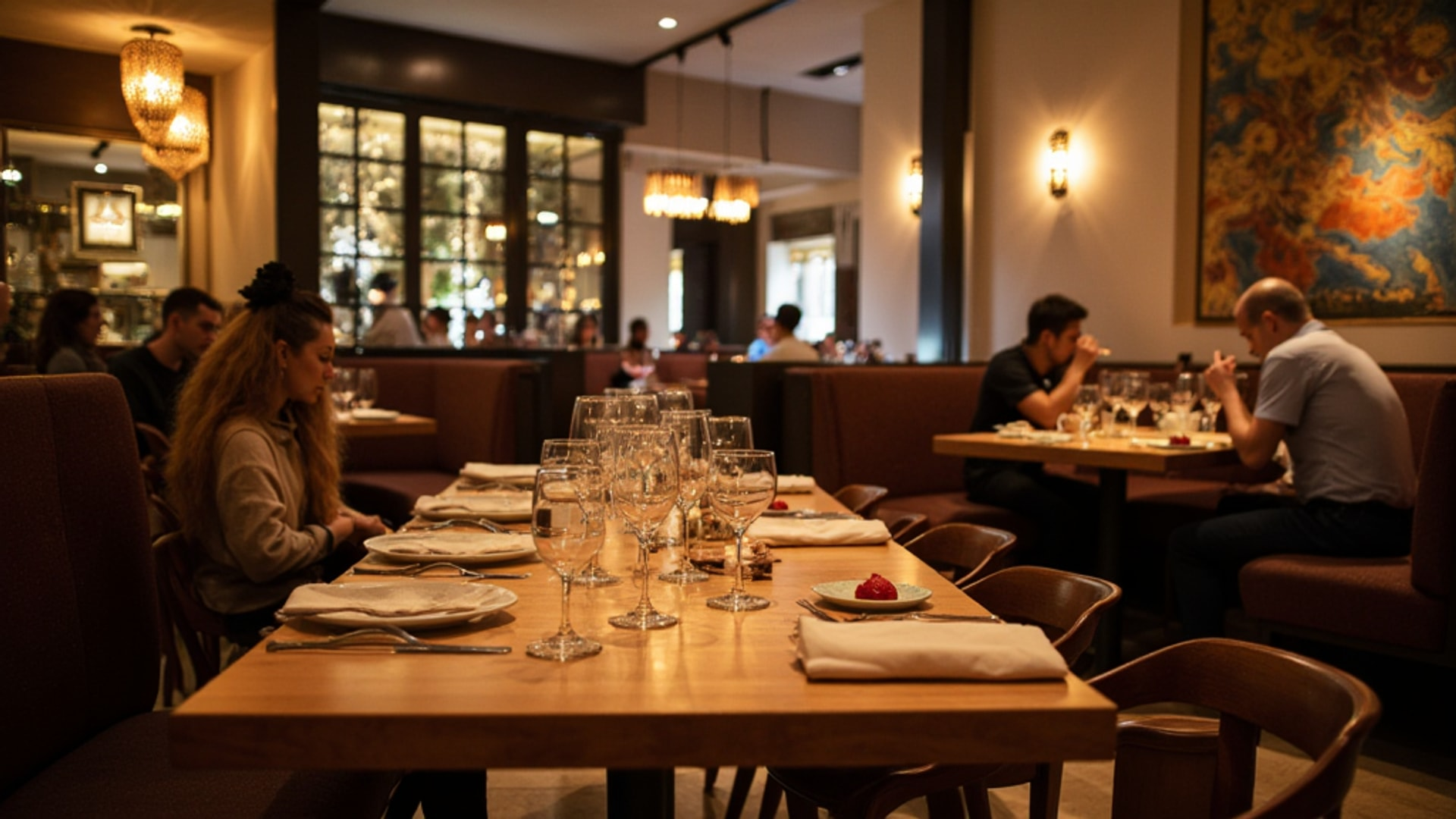
Something fundamental has shifted in what diners want from a restaurant visit. It’s not enough for the food to be excellent. It’s not enough for the service to be attentive. The question more and more consumers are asking — especially younger ones — is: will I have a story to tell after this? Is this worth an Instagram post? Is this an experience I can’t have anywhere else?
The data reflects the shift. According to Lightspeed’s research on experiential dining trends, bookings for experience-focused dining grew 27% in 2024 compared to 2023. That’s not a marginal uptick — that’s a structural change in consumer behavior. Restaurants that understand what’s driving it, and how to market to it, have a significant opportunity. Those that don’t will increasingly compete on price alone.
What Experiential Dining Actually Means
Experiential dining is a spectrum, not a single format. At one end, it’s adding small theatrical elements to a traditional restaurant experience — tableside preparations, creative plating, a signature cocktail ritual. At the other end, it’s fully immersive installations where guests walk through themed environments, interact with performers, and receive courses designed to engage all five senses simultaneously.
Most restaurants don’t need — and shouldn’t attempt — the immersive extreme. But understanding the spectrum helps you find where your concept can authentically add experiential elements that your current guests would value and that would attract new ones.
Lightspeed’s consumer research breaks down priorities: 84% of experiential diners want a surprising menu or theme, 76% want a memorable location, and 74% want one-of-a-kind uniqueness. Three out of four people seeking this type of dining experience explicitly want something they can only get there, in that place, at that time. That “one-of-a-kind” requirement is the marketing brief: whatever experiential elements you introduce, they need to be genuinely distinctive.
The Gen Z Driver
Understanding who is driving the experiential dining surge matters for how you market it. Lightspeed’s research identifies Gen Z as the primary demographic accelerating this trend, and their motivation is distinctive: they’re using restaurant experiences as a form of self-reward.
This generation grew up with access to virtually all of the world’s media, food content, and cultural references from a screen. They’ve seen everything. Replicating something familiar, no matter how well-executed, doesn’t move them. What they’re paying for is an experience that feels earned, specific, and worth documenting — something that exists in the world that they can say they were part of.
The marketing implication is significant. You’re not selling a meal to this demographic; you’re selling a memory, a story, a social currency. Your marketing content should show the experience — not just the food — because they’re evaluating whether they want to be part of that story before they book.
Short-form video on TikTok for Business and Instagram Reels is the obvious channel for marketing experiential dining to this audience, and the content should lean heavily on the most visually distinctive, surprising, or theatrical elements of the experience. The goal is to generate enough interest — “I need to see this in person” — to drive a reservation or inquiry.
Designing the Sensory Layer
The most compelling experiential dining goes beyond visual novelty to engage all the senses. Restaurants are incorporating temperature variations, lighting design, ambient scent, and curated soundscapes that complement specific courses. Research confirms all senses influence food perception and enjoyment.
This isn’t just experiential window dressing — it has genuine culinary implications. The same dish tastes differently in different contexts. Pitch-black darkness heightens flavor perception. Certain soundscapes make food taste more sour or more bitter. The right scent introduced at the right moment enhances the flavor profile of a dish. These aren’t gimmicks; they’re tools for creating a more complete, memorable culinary moment.
For restaurants exploring sensory design, the entry points are accessible:
Lighting. Adjustable lighting that shifts through a meal is one of the most cost-effective ways to create atmosphere change. A meal that moves from bright and energetic to dim and intimate across its three hours feels like a journey, not just a dinner.
Sound design. A curated playlist that’s intentional rather than incidental is a starting point. The more sophisticated version involves music or ambient sound that shifts with courses — energetic during appetizers, immersive and ambient during mains, something celebratory at dessert.
Scent. This is underutilized and surprisingly powerful. A light scent element introduced with a particular course — fresh herbs, wood smoke, citrus — can create a multisensory moment with very little production cost.
Temperature and texture. Tableside presentations that involve smoke, dry ice, or temperature contrast (a cold component served alongside a hot one) create tactile engagement that’s highly shareable.
Technology as Experiential Tool
Technology integration is the cutting edge of experiential dining. Augmented reality overlays allow diners to scan dishes with their phones and see visual storytelling elements — the provenance of an ingredient, an animated representation of the flavor profile, a visual narrative about the dish’s origin. Interactive tables with touchscreen surfaces let guests customize aspects of their experience, browse ingredient information, or play with sensory settings.
Projection mapping is perhaps the most dramatic option: high-powered projectors can transform the surfaces of an entire dining room into an immersive visual environment that changes with each course. The courses and their visual accompaniment are choreographed like a performance.
These technologies require meaningful investment, and not every restaurant needs them. But the underlying principle — using technology to create interactive, personalized moments — can be applied at much lower cost. A simple QR code linking to a video on YouTube about the farm that grew your vegetables creates a digital storytelling layer without any projection systems.
The test for any technology element: does it enhance the experience, or does it distract from it? Technology that requires guests to fight with a device or that feels forced detracts from the experience. Technology that feels seamlessly integrated and genuinely adds information or wonder is worth the investment.
Pricing the Experience Premium
One of the most financially significant characteristics of experiential dining is that it commands premium pricing. Because experiential dining offers something genuinely unique and difficult to replicate at home, consumers willingly pay significantly higher prices (Lightspeed). This premium covers additional production costs while often delivering stronger margins than traditional dining formats.
The pricing conversation is different for experiential dining. Guests aren’t evaluating whether the ingredients are worth the price — they’re evaluating whether the experience is worth the price. A tasting menu with theatrical presentation and multisensory design can command $150–350 per person at restaurants that execute at a high level. The perceived value is not the food alone; it’s the totality of the evening.
This means experiential dining operators can decouple their pricing from food cost ratios to a greater degree than conventional restaurants. The 28–32% food cost benchmark matters less when a significant portion of the perceived value is production, theater, and exclusivity rather than ingredient cost.
Communicating this value in your marketing is essential. If your marketing materials look like a conventional restaurant’s materials, you’ll be evaluated as a conventional restaurant. The photography, video, and language you use must clearly signal that this is a different category of experience — and therefore a different category of investment from the guest.
The Social Media Engine
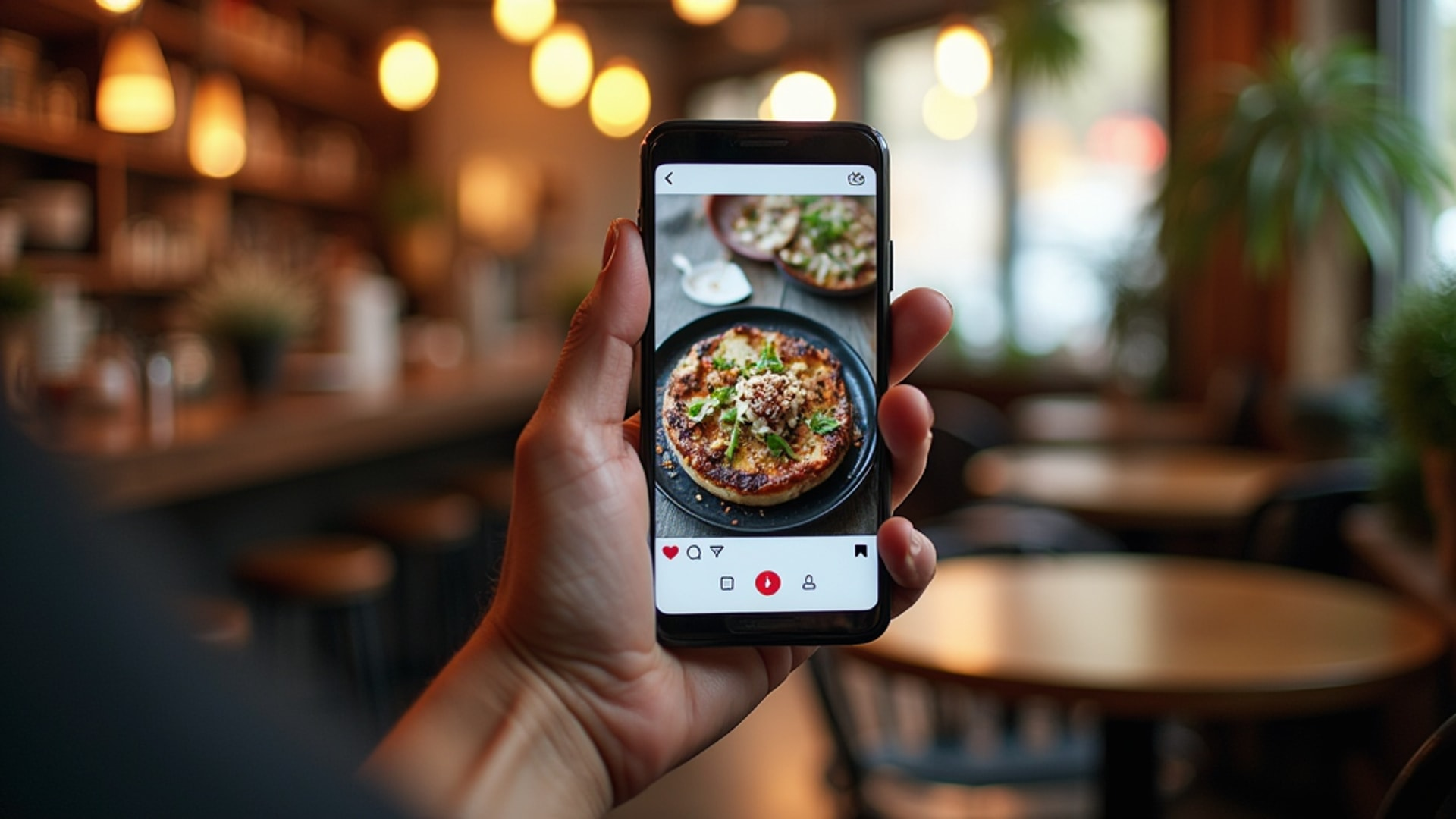
The relationship between experiential dining and social media is almost perfectly circular. The Instagram and TikTok era has accelerated demand for photogenic, shareable dining experiences. When dining experiences are inherently theatrical, guests naturally create and share content documenting their visit, generating marketing reach at no additional cost.
This organic social sharing is arguably the most powerful marketing channel for experiential dining. Each guest who documents and shares their experience reaches their personal network with an authentic endorsement. Unlike paid influencer content, this is genuine peer-to-peer recommendation — the most trusted form of marketing.
→ Read more: User-Generated Content: How to Turn Every Diner into Your Best Marketer
Design your experience with the sharing moment in mind. What is the one moment in the meal that guests will instinctively reach for their phone to document? Identify that moment and make it as visually compelling as possible. The dry ice tableside presentation. The dish that arrives under a glass dome that’s lifted to release fragrant smoke. The projection that shifts dramatically at the beginning of a new course. These theatrical moments are also your organic content engine.
Practical considerations for social media optimization within the experience:
Lighting. The experience needs to look good on a phone camera. Test how your tableside presentations, plating, and theatrical moments photograph under your actual lighting conditions. Many a visually stunning moment looks flat and dark on a smartphone.
Hashtag and tagging prompts. A note in the menu or a gentle mention from the server: “We’d love to see your experience — tag us at [handle] or use #[hashtag].” Make it easy for guests who want to share to do it in a way that benefits the restaurant.
Response to UGC. When guests post about their experience, engage with their content — like it, comment on it, share it to your stories. This both deepens the relationship with those guests and creates more content for your channels.
Formats to Consider
If your current restaurant doesn’t offer an obviously “experiential” product, here are formats worth evaluating:
Chef’s table or counter dining. Direct interaction with the kitchen team during the meal creates engagement and narrative without elaborate production. Guests feel included in the process.
Special event nights. Monthly themed dinners, seasonal ingredient celebrations, or cuisine-focused events let you test experiential elements in a low-risk format before committing to a full concept change.
Collaborative experiences. Dinner paired with a local artist’s opening, a musician’s live performance, or a local historian’s talk adds experiential value with partnership rather than production investment.
Reservation-only tasting formats. Converting an existing menu into a curated, sequenced tasting menu — even without changing the dishes — immediately changes the experiential register. The act of being guided through a predetermined experience feels different from ordering a la carte.
The “moment” menu item. Even without an overhaul, adding one or two dishes designed around a tableside theatrical moment can introduce an experiential element that generates social sharing and word-of-mouth.
The Marketing Principle That Ties It Together
Experiential dining succeeds as a marketing category because it gives people something worth talking about. The meal is over, but the memory — and the photo, and the story — persists. Every guest who shares their experience is generating future demand.
Your marketing job is to show, as vividly as possible, what that experience looks and feels like — to create enough anticipation that people make reservations before they’ve even set a date. And then to ensure the experience delivers on what the marketing promises, because in experiential dining, the gap between expectation and reality is where brands die.
Get the experience right first. Then market it hard, because the world is full of good food. What it’s short on is experiences worth remembering.
→ Read more: Private Dining and Event Marketing: Turning Your Dining Room into a Revenue Machine → Read more: Food Photography and Visual Marketing: A Practical Guide for Restaurant Operators → Read more: Video Marketing for Restaurants: YouTube, Reels, and Short-Form That Drives Reservations