· Marketing · 6 min read
Restaurant AI Chatbots: Personalized Marketing on Autopilot
AI chatbots are transforming how restaurants communicate with guests — from answering reservations to delivering personalized promotions that actually convert.
The restaurant chatbot market is projected to reach $1.3 billion by 2028, growing at more than 20% annually. That is not a statistic about a fringe technology — it is a signal about where the mainstream restaurant industry is heading. According to SevenRooms, the hospitality technology platform, the rapid adoption is being driven by a specific value proposition: chatbots that actually know your customers deliver measurably better results than mass-market marketing.
For years, the promise of personalized marketing was largely theoretical for independent operators and small chains. The tools existed for enterprise brands, but the cost and complexity kept most restaurants in the generic-blast-to-everyone mode. AI has changed that equation. A well-configured chatbot can remember a guest’s dietary restrictions, reference their last order, acknowledge their loyalty tier, and send them a promotion relevant to their actual preferences — automatically, at scale, without a dedicated marketing manager running the operation.
What Modern Restaurant Chatbots Actually Do
The generation of chatbots that emerged in the last few years is categorically different from the rigid FAQ bots of the early 2010s. According to SevenRooms, modern systems use machine learning and natural language processing to create human-like conversational interactions. The practical capabilities include:
Reservation and inquiry handling. Customers ask questions about hours, availability, dietary options, parking, and reservation policies. A well-trained chatbot answers all of these instantly, 24 hours a day, without taking up staff time or phone lines.
Personalized promotions. The chatbot accesses the customer’s interaction and order history to generate relevant offers. A guest who orders vegan dishes regularly might receive a message about a new plant-based menu addition. A customer who visited for brunch three times might get a complimentary coffee offer on their next morning visit. These contextual offers significantly outperform generic discount blasts.
Loyalty program management. Rather than requiring customers to log into an app or ask a staff member, chatbots allow guests to check their loyalty point balance, redeem rewards, and receive personalized reward suggestions through conversational interaction. SevenRooms identifies reduced friction in loyalty redemption as one of the key drivers of increased program engagement.
Feedback collection. Post-visit chatbot messages asking about the dining experience gather structured feedback without the formality of a customer feedback survey or the public exposure of a review platform. This feedback feeds directly into the restaurant’s operational and marketing decision-making.
Where to Deploy: Meet Customers Where They Already Are
The single most common mistake operators make with chatbot implementation is deploying only on their website. SevenRooms is explicit: the most successful restaurant chatbots operate on platforms where customers already communicate — primarily WhatsApp Business, Facebook Messenger, and Instagram Direct Messages.
A website chatbot serves people who have already found you and are actively engaging with your site. That is a small subset of your potential audience. A WhatsApp or Messenger chatbot reaches people during their daily communication habits. It appears alongside messages from their friends and family, which dramatically increases open and response rates versus any email or promotional content sent through formal channels.
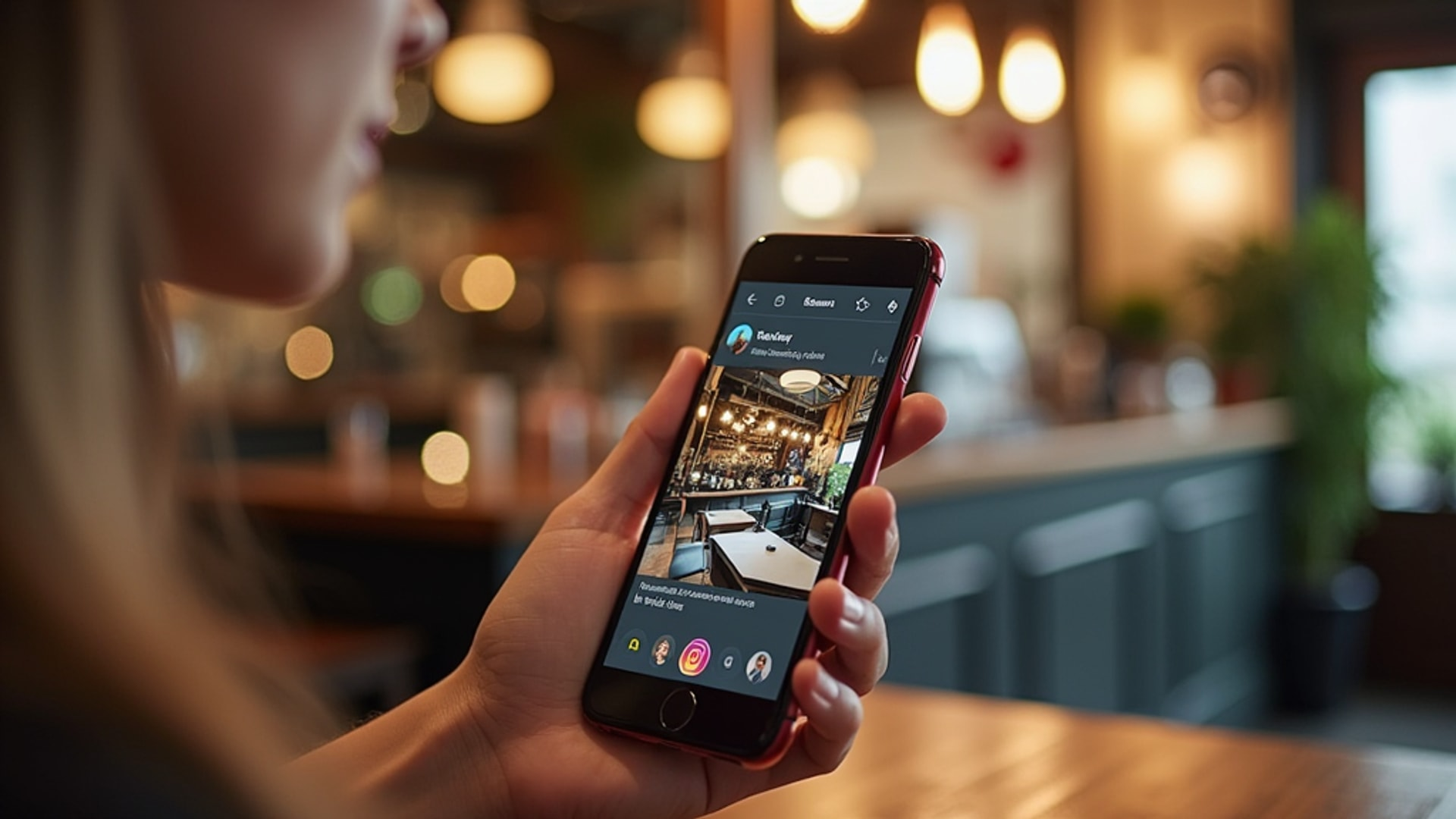
For restaurants with significant social media followings, Instagram DM automation is particularly powerful. When a follower comments on a food post, a configured chatbot can automatically reach out with a reservation link or a personalized offer, turning passive engagement into active conversion.
Generative AI: The Next Level of Personalization
SevenRooms distinguishes between rule-based chatbots and generative AI-powered systems. Traditional chatbots follow decision trees — if the customer says X, respond with Y. Generative AI creates contextually appropriate, unique messages for each interaction.
This difference matters in practice. A generative AI system looking at a customer profile does not send a template offer with the customer’s name inserted. It constructs a message that references specific details: their preferred cuisines, their last visit occasion, their spending patterns. A customer who dines primarily on weeknight date nights might receive a message like, “Your last visit was on a Tuesday — we’ve got a new candlelight dinner experience on Thursday evenings that we think you’d love.” That level of contextual relevance is impossible to produce manually at any meaningful scale.
For restaurants still building their customer data infrastructure, this represents a strong argument for starting CRM and chatbot implementation early. Every interaction that goes unrecorded is personalization capability lost.
Customer Segmentation Through AI Analysis
Beyond one-to-one personalization, SevenRooms explains that AI identifies customer segments and creates tailored promotional campaigns for each group. The segmentation logic goes beyond simple demographics into behavioral patterns: customers who visit weekly versus monthly, customers who always order alcohol versus those who do not, customers who respond to discount offers versus those who respond to experience-based messaging.
Targeted campaigns to well-defined segments consistently outperform mass-market approaches in both engagement and conversion rates. A promotion for happy hour sent to every customer in the database will always underperform the same promotion sent specifically to the segment that visits most often on weekday evenings and has historically ordered bar items.
This intelligence does not require enterprise-scale budgets. Most modern restaurant CRM and chatbot platforms integrate AI segmentation as a standard feature, putting capabilities that used to require a dedicated data analyst within reach of a single-location operator.
Implementation Considerations
Before deploying a chatbot, several things need to be in place.
Accurate data foundation. The chatbot is only as good as the customer data it works with. If your POS, reservation system, and online ordering platform are not integrated and sharing data, the personalization capability is limited. Prioritize data integration before expecting sophisticated personalized outputs.
Brand voice configuration. A chatbot that communicates in a tone inconsistent with your brand creates cognitive dissonance. Configure your chatbot’s language style, tone, and personality to match how your restaurant actually communicates. A fine dining establishment should not sound like a fast-casual chain in its automated messages.
Escalation pathways. Every chatbot deployment needs a clear mechanism for routing complex or sensitive inquiries to a human staff member. A customer with an allergy concern or a complaint about a recent experience needs to reach a person, not receive another automated response. Build these handoff points deliberately.
Privacy compliance. Data collected through chatbot interactions is subject to privacy regulations including the FTC’s guidelines on digital marketing disclosures. Ensure your platform complies with applicable laws in your jurisdiction, provides clear disclosure to customers about data use, and offers easy opt-out mechanisms.
Measuring Chatbot Marketing Performance
The metrics that matter for restaurant chatbot ROI are different from traditional marketing channels. Track: the volume of reservations completed through chatbot conversations, the redemption rate of chatbot-delivered offers, the uplift in visit frequency for customers who interact with the chatbot regularly versus those who do not, and the reduction in staff time spent on routine inquiry handling.
SevenRooms also points to review volume and loyalty program enrollment as indirect measures of chatbot effectiveness — both tend to increase when a well-configured chatbot is actively requesting reviews and simplifying loyalty sign-ups.
The technology is no longer experimental. It is operational infrastructure for restaurants that take customer relationships seriously.
→ Read more: Restaurant CRM and Data-Driven Marketing: Turning Guest Data into Revenue → Read more: Restaurant Loyalty Programs: How to Design a Retention Engine That Pays for Itself → Read more: Email Marketing for Restaurants: Building Campaigns That Fill Tables