· Menu & Food · 6 min read
Cross-Selling Through Menu Design: Techniques That Lift Average Check
How to use menu layout, bundling, and strategic item positioning to increase what customers spend — without a pushy sales pitch.
The most effective cross-selling in a restaurant happens before a server says a word. It happens on the menu itself — through the placement of items, the way descriptions are written, the visual cues that guide a customer’s eye, and the structural design choices that make add-ons feel natural rather than tacked on.
According to Restaurant Resource Group, the menu functions as a restaurant’s primary marketing tool and silent salesperson, directly influencing ordering decisions and spending amounts. A well-engineered menu increases check average through design, not pressure.
The Foundation: Understanding the Reading Pattern
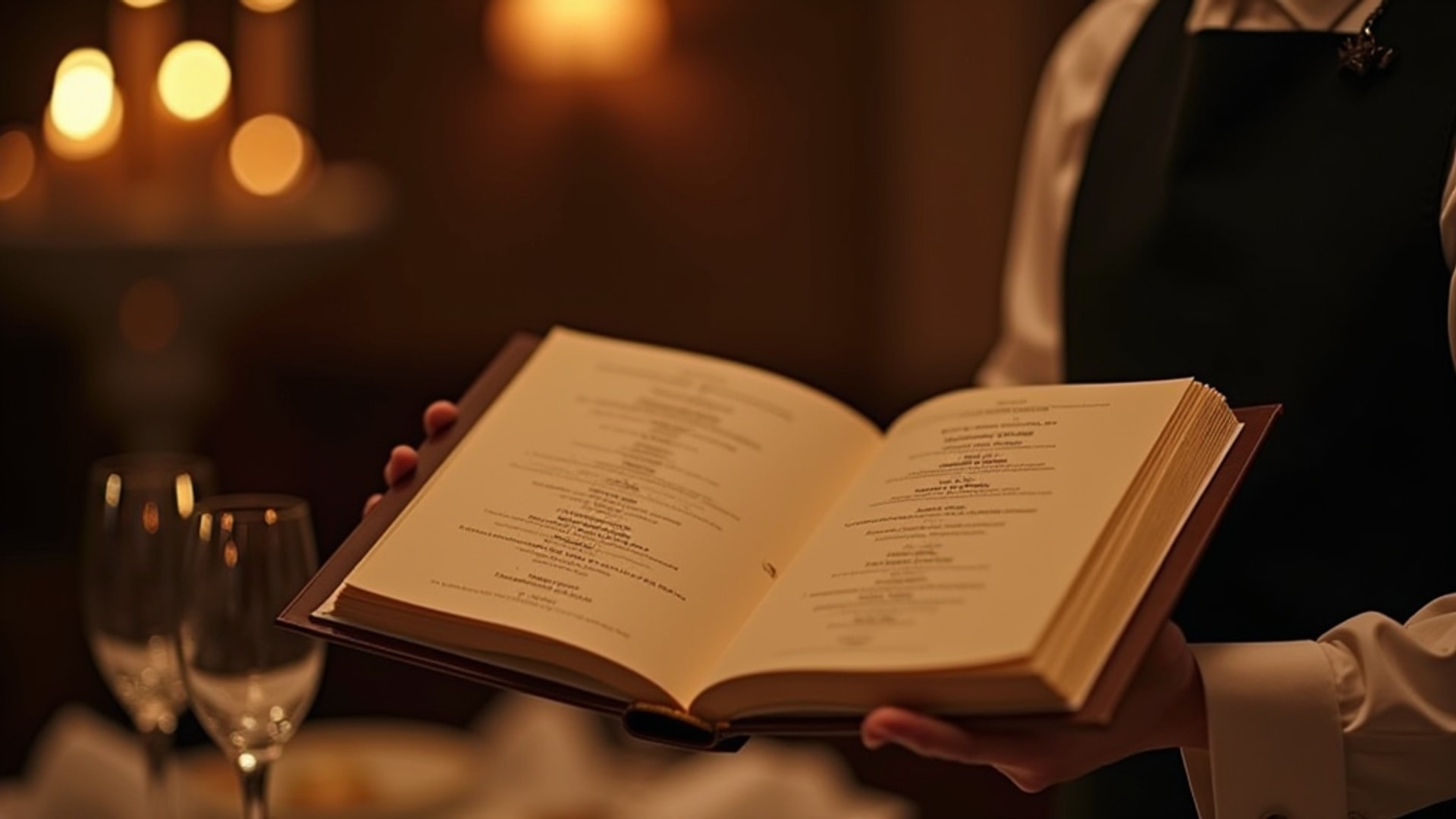
Effective cross-selling through menu design starts with understanding how customers read menus. According to WebstaurantStore, Gallup research shows diners spend approximately 109 seconds reading menus. Eye tracking research cited by Cafeshore shows the reading pattern follows a “Golden Triangle”: center first, then top right, then top left.
Within each section, customers notice the first two items and the last item most frequently. This is the zone where your high-margin add-ons and cross-sell opportunities belong.
Cross-selling implications of the reading pattern:
- Place your highest-margin add-ons (sides, upgrades, supplements) in the first position within their section
- Position complementary items physically near the items they pair with
- Use the “golden triangle” zones for bundles and featured combinations, not just individual Star items
Technique 1: Strategic Placement of Pairings
The most straightforward cross-sell is placing the natural pairing close to the main item. When the burger description reads “pairs perfectly with our hand-cut fries and house-made aioli ($4.50 add-on),” customers who were not considering fries are now thinking about them.
According to Restaurant Resource Group, menu space should be allocated proportionally to profit potential rather than consumption percentage. This means side dishes, beverages, and add-ons — which often carry excellent margins — deserve meaningful real estate rather than being buried in a corner.
Placement cross-sell tactics:
- List suggested pairings at the bottom of entree descriptions
- Create a “Complete Your Meal” callout section near the bottom of the mains section
- Feature beverage pairings (wine, cocktail, craft beer) next to relevant courses
- Position dessert descriptions visible from the main course section — not hidden on a separate page until asked
Technique 2: Bundling as Natural Cross-Sell
Bundles exist on every menu, often implicitly. Making them explicit increases attach rates. According to meez, menu bundling techniques that combine popular items with less popular ones encourage higher per-ticket spending while helping less-visible items get ordered.
Bundle formats that work:
| Bundle Type | Components | Premium Over Individual Items |
|---|---|---|
| Meal complete | Entree + side + beverage | 10–15% discount from a la carte |
| Sharing package | 2–3 shareable items at reduced combined price | Creates occasion framing |
| Pairing special | Food item + beverage specifically matched | Presents as curated experience |
| Build-your-own upgrade | Base item + choice of add-ons | Customer controls, increases engagement |
The key principle: bundles should include at least one high-margin item. Bundling two Plowhorses generates volume but not profit. Bundling a Plowhorse with a high-margin beverage or side generates volume and improves overall margin per transaction.
Technique 3: Price Anchoring to Drive Middle Purchases
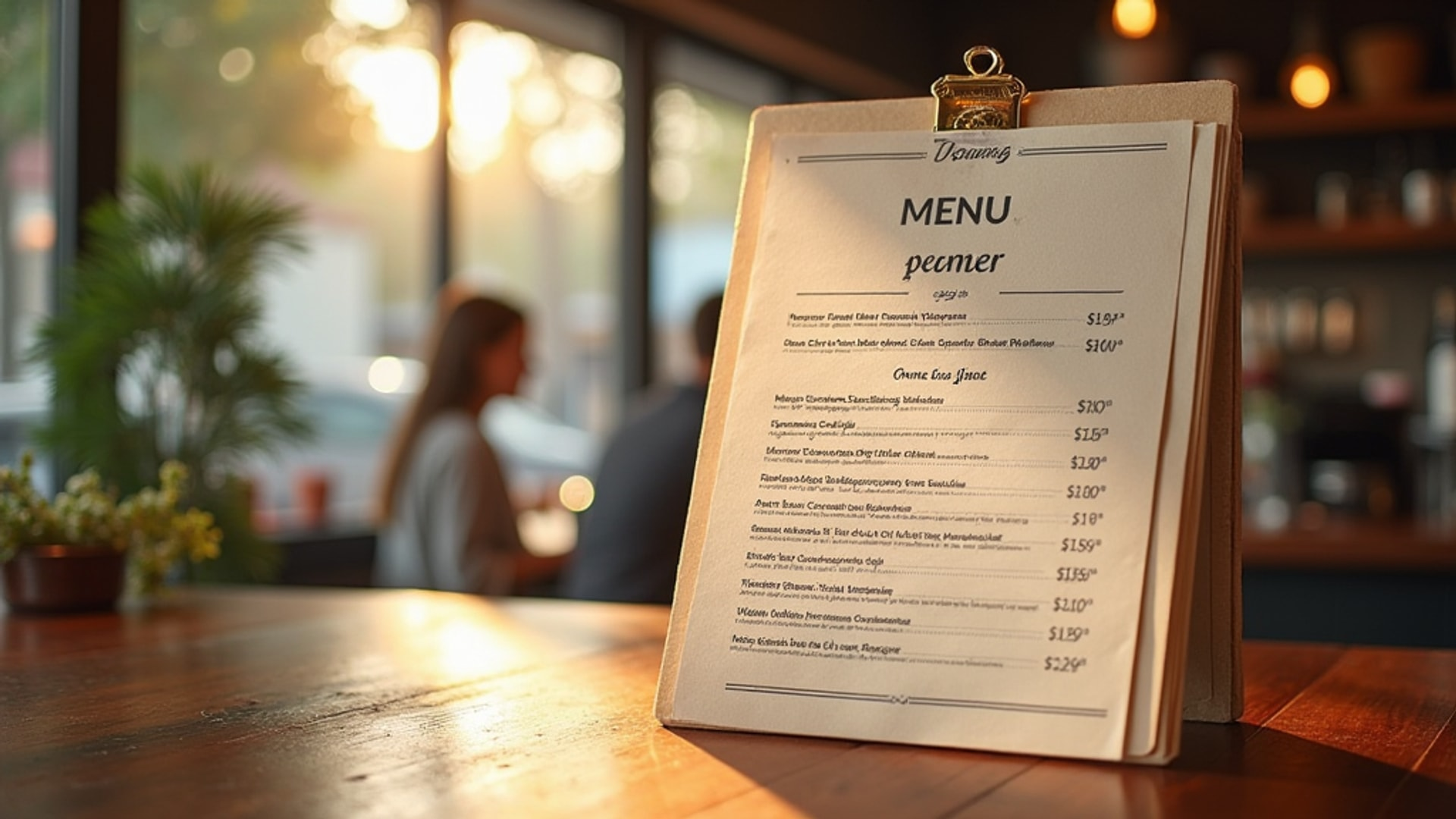
According to WebstaurantStore and Cafeshore, price anchoring is the practice of placing a premium-priced item near target items to make the target seem more affordable by comparison.
The classic format:
- Top of section: premium item at $42 (anchor)
- Middle of section: target item at $28 (the one you want to sell most)
- Lower in section: value item at $18
The customer’s eye registers the $42 item and recalibrates their price expectations. The $28 item now feels like a reasonable choice rather than an expensive one. This technique increases sales of middle-tier items, which are often the restaurant’s Stars — high margin, well-executed, positioned to sell.
According to Tableo, charm pricing (e.g., $9.99 vs. $10.00) and anchoring together create a framework where the menu guides customer perception rather than just reporting prices.
Technique 4: Descriptive Language That Sells
According to WebstaurantStore, sales increase by 27% when descriptive language is used, with sensory adjectives being particularly effective. Research from the Cornell Food and Brand Lab has documented similar findings on how language influences food perception. This applies directly to cross-sell items — an add-on described with care is more likely to be ordered than one listed as just a name and a price.
Compare:
- Weak: “Side salad — $6”
- Strong: “Garden salad with shaved fennel, candied walnuts, and champagne vinaigrette — $6”
The second version makes the item feel worth ordering. The first makes it feel like a utilitarian afterthought.
This principle extends to beverage pairings, add-ons, and upgrade options. Every item that you want customers to order deserves a description that makes them want it.
Technique 5: Visual Hierarchy and Eye Magnets
According to Restaurant Resource Group, eye magnets are visual direction techniques that draw attention to specific menu items. Effective methods include:
- Borders and boxes framing specific items (increases visibility dramatically)
- Font variation — larger, bolder text for featured add-ons
- Color accents highlighting one or two items per section
- Photography for items you want to sell (according to Lightspeed, one graphic element per page increases sales by up to 30%)
Cross-sell application: Use a box or callout specifically for your most profitable add-on category. A boxed “Build Your Board” option with three cheese/charcuterie items at $8–$12 each, visually separated from the rest of the appetizer section, draws attention and creates a distinct selling opportunity.
Technique 6: Remove the Dollar Sign
According to Cafeshore and WebstaurantStore, removing currency symbols from prices reduces the psychological reminder of spending money. Customers are buying an experience, not spending dollars. When prices read as “18” rather than “$18.00,” the spending friction decreases.
This applies particularly to add-ons and cross-sell items, where price consciousness is highest. A simple “add avocado 3” feels less like a financial transaction than “add avocado $3.00.”
Checklist: Menu Cross-Sell Audit
- Are high-margin add-ons placed first in their sections?
- Do entree descriptions mention natural pairings?
- Are bundles explicitly described with pricing?
- Are price anchors in place for each main section?
- Do add-on descriptions use sensory language?
- Is at least one visual callout used per menu page?
- Are dessert descriptions visible without requiring a separate menu?
- Are beverage pairings mentioned near relevant courses?
Most restaurants derive 60 to 70% of sales from fewer than 18 to 24 menu items, according to Restaurant Resource Group. The cross-sell opportunity is to pull more of those sales toward high-margin items within that core group — and to increase the fraction of customers who order from multiple courses rather than just one.
→ Read more: Server Upselling Techniques: Training Your Team to Increase Check Averages → Read more: Menu Engineering: A Data-Driven System to Boost Restaurant Profits by 10-15% → Read more: Menu Psychology and Design: The Science of Getting Guests to Order What You Want