· Menu & Food · 8 min read
Kids Menu Design: Nutrition, Profitability, and Family Appeal
How to design a kids menu that wins over parents, keeps children engaged, and drives family dining revenue through smart nutrition choices and thoughtful design.
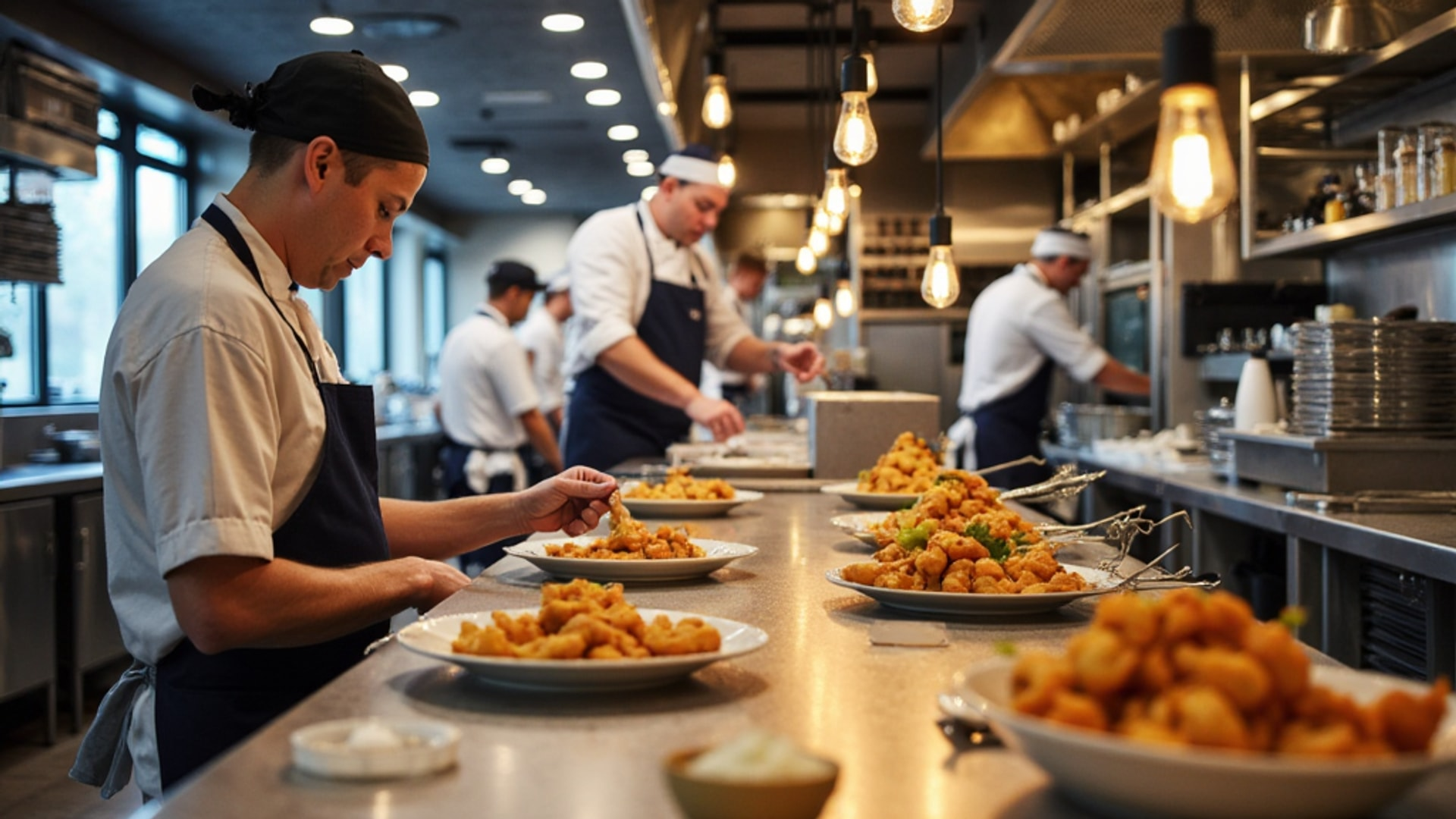
The legacy kids menu — a laminated card with fried nuggets, plain pasta, and a soda — is not a competitive asset anymore. Frankly, it’s a liability. Contemporary parents, particularly millennials and Gen Z who now make up the majority of family dining customers, expect kids menus that reflect the same standards they apply to their own food choices: attention to nutrition, transparency about ingredients, and accommodation of dietary needs.
According to the Sustainable Restaurant Association, this is both a consumer expectation and a business opportunity. Getting the kids menu right doesn’t just satisfy parents — it wins the family as a table, driving adult orders that represent the real revenue from family visits.
The Strategic Role of the Kids Menu
Start with the right mental model: a kids menu is a family acquisition tool. It is not a standalone profit center.
The direct margin on kids items is typically modest. Portions are smaller, but so are the prices. The food cost percentage on a kids meal might look similar to or worse than an adult entree, and the kitchen labor to produce it is roughly proportional. Viewed in isolation, kids menus are not high-margin contributors.
Viewed as a family revenue driver, the calculation changes entirely. A family that chooses your restaurant because they trust the kids menu generates orders from two to four adults who would otherwise be dining at a competitor. The kids meal that costs you $4 to produce and sells for $8 is the mechanism that brings in a $120 table. That’s the right way to think about it.
This framing changes how you invest in kids menu development. You are not trying to squeeze margin out of chicken tenders — you are building the trust that makes families choose you over alternatives.
Nutritional Modernization: What Parents Actually Want
The nutritional shift in kids menu expectations is real and growing. The Sustainable Restaurant Association documents a clear national trend toward healthier options driven by rising awareness of childhood nutrition and obesity rates. Parents are not demanding Michelin-star food for their seven-year-olds, but they are increasingly unwilling to hand their child a menu that offers only fried foods, white-starch sides, and sugar-laden drinks.
The good news is that nutritional improvement does not require revolutionary change. Incremental substitutions make a substantial difference:
Whole grain substitutions. Swapping white bread and pasta for whole wheat equivalents is the single simplest change. The preparation is identical, the cost difference is minimal, and parents notice and appreciate it. Many children don’t taste the difference in formats like mac and cheese or pizza dough.
Vegetable integration. The Sustainable Restaurant Association notes that children willingly eat vegetables when they are incorporated into familiar formats rather than presented as a separate “eat your vegetables” component. Flatbread pizzas with vegetable toppings, baked pasta with vegetables mixed in, quesadillas with spinach — these deliver nutrition through formats kids accept.
Beverage defaults. Replacing soda as the standard kids drink option with milk, juice, and water is the single highest-signal change you can make. Parents notice immediately. The cost difference between a soda and a small milk is negligible, but the positioning difference is significant. A menu that defaults to milk and juice communicates that the restaurant cares about child health; a soda default communicates that convenience comes first.
Protein variety. Beyond fried chicken, offer grilled chicken, baked fish, or bean-based protein options. Not every child will order them, but parents will notice they exist — and some children, particularly those raised in health-conscious households, will choose them.
→ Read more: Menu Design and Layout: The Visual Psychology That Drives What Guests Order
Allergen Communication: Building Trust With Anxious Parents
Allergen communication on kids menus deserves particular attention because the stakes are higher and the anxiety is more acute. Parents of children with food allergies experience genuine stress when dining out. A well-designed kids menu that clearly addresses allergens converts that anxiety into trust — and trust converts first-time visitors into loyal regulars.
According to the Sustainable Restaurant Association, the most effective approach is multi-layered:
Clear ingredient listings. Rather than just listing the dish name and main components, include enough ingredient detail that parents can assess safety without interrogating the server. “Mac and cheese (pasta, cheddar, butter, whole milk)” tells a dairy-allergic family everything they need to know immediately.
Allergen icons. Simple, consistent icons for common allergens — a wheat symbol, a nut symbol, a milk glass — allow quick scanning across the menu without reading every description in full. These icons should appear next to every item that contains the relevant allergen, not just the ones where it is obvious.
Big Nine disclosure. The US Food Allergen Labeling and Consumer Protection Act requires disclosure of the nine major allergens (milk, eggs, fish, shellfish, tree nuts, peanuts, wheat, soybeans, and sesame). Kids menus should make this disclosure prominent and complete, not buried in fine print.
Customization flexibility. Offering explicit allergen accommodations — “Ask your server about modifications for common allergens” — signals that the kitchen can adapt, even when the standard menu doesn’t address a specific need.
The trust built through clear allergen communication extends beyond families with allergies. When parents see that a restaurant takes safety seriously enough to provide complete ingredient transparency, they feel more confident in the kitchen’s overall quality standards.
Design for Two Audiences Simultaneously
The kids menu has two audiences with completely different needs: the child who will eat the food, and the parent who will decide whether to return.
Designing for the child. Children respond to visual engagement, familiar formats, and a sense of personalization. Interactive elements — games, puzzles, coloring activities, mazes, word searches — keep children occupied during wait times, which reduces stress for parents and creates a positive association with the restaurant. The Sustainable Restaurant Association recommends that design themes be gender-neutral (robots, animals, adventure scenes, space) to appeal to all children without excluding any.
Typography for kids menus should use non-script, clear sans-serif fonts. Children, particularly younger readers, struggle with ornate or cursive fonts. Readability matters — a child who can independently read and engage with the menu feels more involved in the experience.
Illustrations of the food items help younger children make choices and set appropriate expectations. A realistic illustration of what the dish looks like reduces the incidence of disappointed children who expected something different from what arrived.
Designing for the parent. Adults reading the kids menu are looking for information, not entertainment. Ingredient clarity, allergen disclosure, portion descriptions, and honest pricing are what they need. The design should support scanning — parents need to assess options quickly while managing an impatient child.
Consider two physical zones on the design: a child-facing zone with illustrations and interactive elements, and a parent-facing zone with ingredient lists, allergen icons, and modifications. This dual-zone approach is used by many successful family dining concepts.
Pricing the Kids Menu Correctly
Kids menu pricing should be set relative to portion size and cost, not arbitrarily. The most common mistake is pricing too low out of a misguided desire to seem family-friendly, which creates losses on the kids items that don’t get recovered from adult orders.
A workable framework: kids menu items should be priced at 40-55% of comparable adult entree prices. A restaurant where adult pasta dishes run $18-22 should price kids pasta in the $8-12 range. This reflects actual portion differences, maintains reasonable food cost percentages, and feels fair to parents who understand proportional pricing.
Combo pricing for kids meals — entrée + side + drink as a bundled price — simplifies the ordering process, reduces decision fatigue for families, and can include high-margin drink items (milk, juice) that pad the contribution margin of the meal.
Practical Menu Size: Less Is More
Kids menus should be short. Four to six food items, two to three side options, and two to three drink choices cover the realistic range of what a child will order. Longer menus create decision paralysis for children (and for parents trying to help children decide), increase kitchen complexity, and require more inventory for low-volume items.
The structure should be intuitive:
- One or two protein options (grilled, baked, or fried depending on concept)
- One pasta or grain-based option
- One lighter option (soup, quesadilla, flatbread)
- Two side choices (one vegetable, one starch)
- Three drink options (milk, juice, water as standard; soda as optional)
This structure works across casual dining, polished casual, and family-focused concepts. Fine dining concepts that do not cater to families may reasonably offer fewer options — even a simple two-item kids menu signals family welcome without complicating the kitchen.
Beyond the Menu: The Full Family Experience
The kids menu exists within a broader family dining experience that determines whether families come back. Wait times, seating comfort, noise levels, server patience, and high chair availability all matter. The best kids menu in the world won’t overcome a restaurant that seats families in poor locations, lacks high chairs, or has servers who are visibly impatient with children.
Restaurants that build strong family dining businesses treat child guests as genuine customers — not inconvenient accompaniments to the adults. The kids menu is the most visible expression of that attitude, but it has to be backed by operational commitment to match.
When the full family experience is positive, families become your most loyal segment. They have routines, they return frequently, they celebrate milestones, and they recommend you to other families. Get the kids menu right and you are building a customer relationship that lasts years.
→ Read more: Menu Photography and Food Styling: Visual Standards That Sell → Read more: Menu Copywriting: Writing Descriptions That Sell