· Starting a Restaurant · 8 min read
Second-Generation Restaurant Spaces: How to Evaluate and Reuse Existing Buildouts
A second-generation restaurant space — one that already has kitchen infrastructure, grease traps, and hood systems — can cut your startup costs by 40 percent or more, but only if you know how to evaluate what you are actually getting.
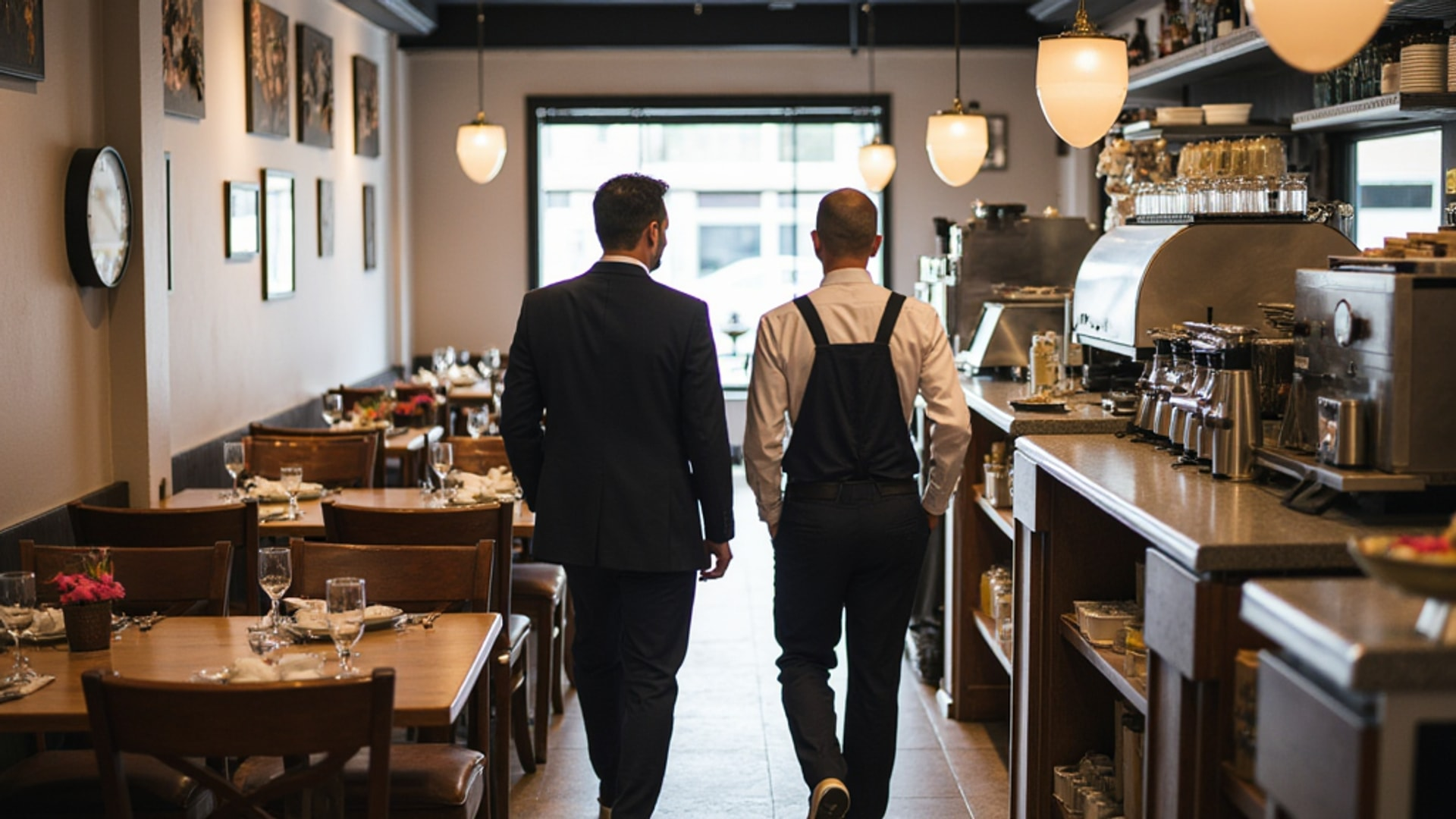
Opening a restaurant from raw commercial space is a six-figure construction project. Opening in a second-generation space — one that already has commercial kitchen infrastructure from a previous restaurant tenant — can cost dramatically less and move dramatically faster. That math attracts a lot of first-time operators, and for good reason. But “already has a kitchen” covers a range from “turnkey treasure” to “someone else’s expensive problems,” and knowing which you are looking at before you sign the lease is the entire game.
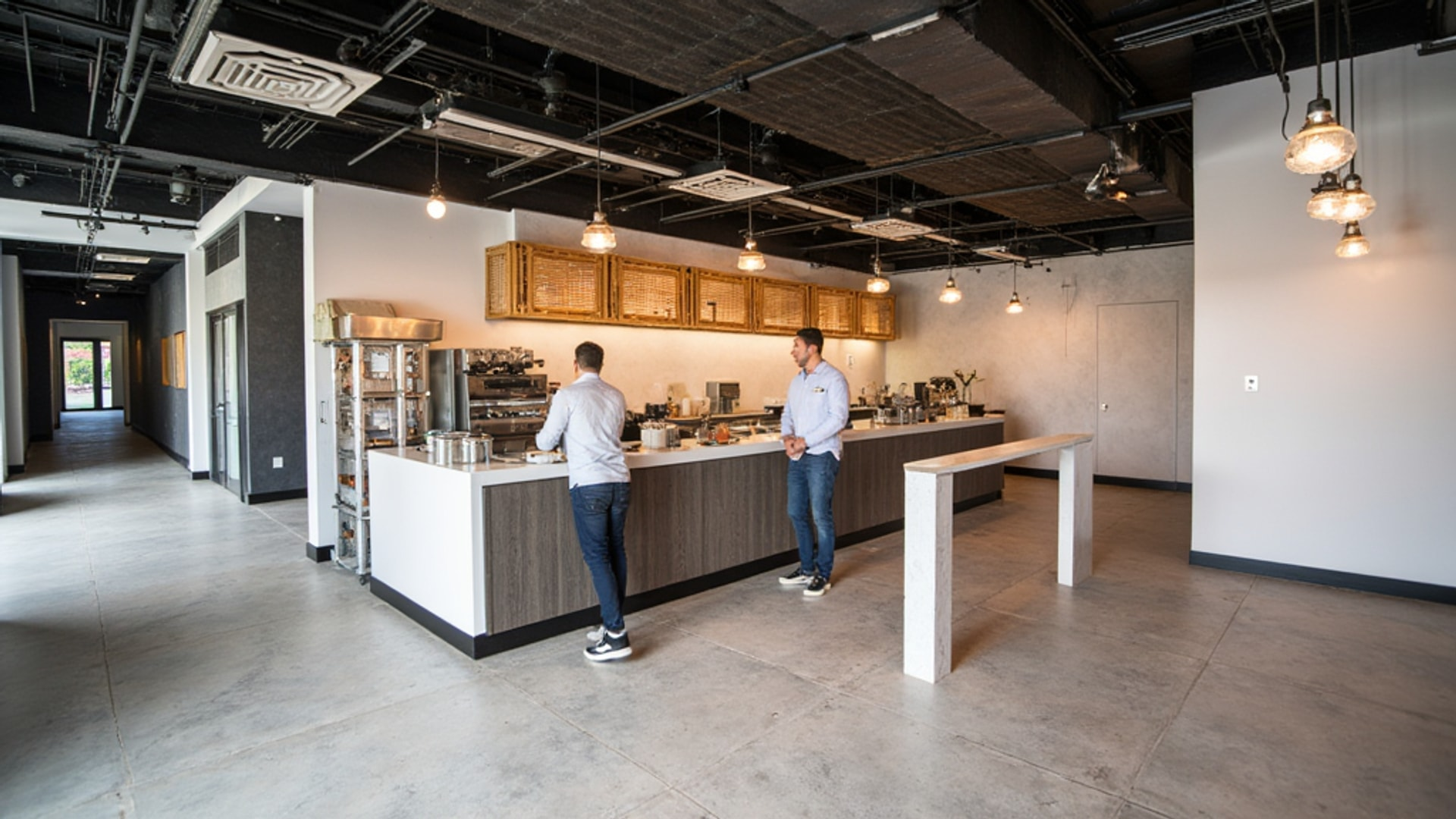
A second-generation restaurant space, sometimes called a “second-gen” or “2G” space in commercial real estate, is any retail or commercial unit that previously operated as a food service establishment. It retains some or all of the infrastructure required for restaurant operations: exhaust hood systems, grease traps or interceptors, commercial-grade plumbing, gas lines, ventilation, and sometimes equipment. The appeal is obvious. According to SpotOn’s restaurant startup cost analysis, construction and setup for a full-service restaurant runs from $90,000 to $1,000,000. A well-configured second-gen space can reduce that range substantially by eliminating or minimizing the cost of infrastructure that represents the majority of restaurant construction expense.
The risk is equally obvious: you are inheriting decisions made by someone else for their concept, their menu, and their operational model, which may or may not match yours.
Why Second-Generation Spaces Exist
Restaurant failure rates ensure a continuous supply of second-gen spaces. The National Restaurant Association’s data consistently shows that 26 percent of new restaurants close in their first year and a majority are gone within five years. Each closure produces a space with varying degrees of restaurant infrastructure that the landlord needs to re-lease. Landlords generally prefer restaurant tenants who can utilize the existing infrastructure because it reduces their carrying cost during vacancy and avoids expensive infrastructure removal.
That alignment of interests creates negotiating leverage for the incoming tenant — if you play it correctly.
What to Evaluate Before You Sign
The most important rule about second-gen spaces is this: “has a kitchen” is not a specification. You need to know exactly what you have before you commit.
Hood system capacity and compliance
The exhaust hood is the most expensive single piece of infrastructure in a commercial kitchen, typically costing $20,000 to $50,000 or more for a fully compliant system depending on size and local codes. An existing hood is valuable only if it matches your cooking equipment configuration and meets current code requirements.
Hood systems need to match the type and quantity of cooking equipment they serve. A hood sized for a pizza oven and a six-burner range will not adequately serve a large griddle setup or a high-volume fryer operation. More importantly, hood systems must comply with current NFPA 96 standards for commercial cooking ventilation — standards that change and that a system installed eight years ago may not meet. Have a licensed fire suppression contractor inspect the hood and fire suppression system before you assume it is usable.
Ask when the hood was last professionally cleaned and whether there is documentation. A hood that has not been maintained properly can be a fire hazard and a code violation that requires immediate remediation.
Grease trap condition and capacity
Grease traps (also called grease interceptors) prevent fats, oils, and grease from entering municipal sewer systems. They are expensive to install ($3,000 to $15,000 depending on size and whether they are interior or exterior) and heavily regulated. An existing grease trap is a meaningful cost saving — if it is functional, properly sized for your anticipated grease load, and not at end of life.
Have a licensed grease trap service company inspect and pump the existing trap. The inspection will reveal its condition, its rated capacity, and whether it meets current municipal requirements. A trap that is undersized for your concept or deteriorating may require replacement that eliminates the cost savings you assumed.
Plumbing and gas infrastructure
Commercial kitchen plumbing includes not only the grease trap but commercial floor drains, three-compartment sinks, hand-washing stations, prep sinks, and the gas line capacity to serve all cooking equipment simultaneously. The gas line capacity is critical and frequently overlooked: a kitchen with two gas-fired pieces of equipment has very different gas supply requirements than one with six. Have a licensed plumber evaluate the existing gas supply capacity against your equipment plan.
Check whether the plumbing configuration matches your equipment layout. Drains and water connections in the wrong locations are not impossible to modify, but modifications require permits and contractor work that add to your buildout cost.
Electrical service
Commercial kitchens require significant electrical capacity. Walk-in refrigerators, commercial dishwashers, and high-powered cooking equipment draw substantial amperage. Verify the existing electrical service capacity (measured in amperes) against your equipment load calculations. An under-powered electrical service requires a utility upgrade — which involves both cost and time, potentially delaying your opening by weeks or months.
Walk-in coolers and freezers
If the space includes existing walk-in units, evaluate their condition, insulation integrity, compressor age, and temperature performance. Review the commercial refrigeration requirements for your concept. Walk-in refrigeration units that are more than 10 to 12 years old may be near the end of their service life. A failing compressor on a walk-in unit is an expensive repair or replacement that arrives at the worst possible moment. Have a commercial refrigeration technician inspect any existing units before you rely on them.
Layout alignment with your concept
This is the qualitative dimension: does the existing kitchen configuration support your menu and service model? A kitchen designed for a pizza operation has a very different layout than one designed for a full-service American grill. WebstaurantStore’s kitchen layout guide emphasizes that workflow matters more than kitchen size for operational performance. A well-configured 400-square-foot kitchen outperforms a poorly configured 800-square-foot kitchen.
Ask yourself honestly: can your team execute your menu at your anticipated volume in this kitchen’s current configuration? If the answer requires significant equipment moves, wall changes, or workflow modifications, those costs should be factored into your total buildout budget.
Lease Negotiation for Second-Gen Spaces
The DoorDash merchant guide on restaurant lease negotiation identifies several provisions that are particularly important in second-gen lease negotiations.
Negotiate for infrastructure maintenance responsibility
Before the lease is signed, negotiate in writing who is responsible for maintaining or replacing the existing infrastructure. Landlords sometimes present second-gen spaces as valuable inherited assets but include lease language that places repair and replacement responsibility on the tenant. A grease trap that fails six months after opening should not become a $10,000 expense on a tenant who had no role in its deterioration.
Insist on a written schedule of the infrastructure being transferred — every piece of existing equipment and system included in the lease — along with its known condition and the warranty or repair responsibility for each.
Capture allowances for necessary modifications
Even favorable second-gen spaces typically require modifications to fit a new concept. Tenant improvement allowances (TI allowances) are standard in commercial real estate and represent the landlord’s contribution to buildout costs. Landlords of second-gen spaces may offer lower TI allowances on the assumption that the existing infrastructure reduces your buildout cost — but if you need to reconfigure the kitchen, upgrade the hood, or replace failing equipment, your actual needs may be higher than the landlord assumes.
Negotiate based on your actual buildout cost estimate, not on what the landlord assumes a second-gen tenant needs.
Assignment clause
DoorDash’s lease guide identifies the assignment clause as one of the most critical provisions for any restaurant tenant. An assignment clause allows the lease to be transferred to a new operator if you sell the business or need to exit. In a second-gen space that you have further improved, the ability to transfer the lease adds significant value when it comes time to sell.
Rent abatement and buildout period
Even second-gen spaces require modification time before opening. Negotiate a rent abatement period — free or reduced rent during buildout — so that you are not paying full rent on a space that is not generating revenue. The Fork CPAs’ pre-opening budget analysis notes that permit and licensing delays can add an extra month of rent payments before any revenue comes in. A negotiated abatement period protects against that risk.
The True Cost Comparison
The potential savings from a second-gen space are real, but they are only realized if the analysis is done properly. The calculation that matters is not “second-gen rent versus raw-space rent” — it is total cost of occupancy including all buildout expenses.
A second-gen space at $8,000 per month with $80,000 in required infrastructure upgrades may be more expensive over a two-year period than a raw space at $7,000 per month with a $150,000 TI allowance from the landlord. Do the math with actual numbers from actual contractor bids, not with estimates.
The right second-gen space — where the infrastructure genuinely aligns with your concept, the systems are in good condition, and the lease terms are favorable — represents one of the best capital efficiency plays available to an independent restaurant operator. The wrong one inherits someone else’s problems along with their grease trap.
→ Read more: Restaurant Buildout: Costs, Timeline, and Budget Planning
→ Read more: Restaurant Startup Costs: A Complete Breakdown of What You Will Actually Spend
→ Read more: Restaurant Grease Trap and Plumbing Design: Requirements, Sizing, and Maintenance
Inspect before you sign. Negotiate based on what you find. And never assume that “already has a kitchen” means “ready for your kitchen.”