· Suppliers · 10 min read
Direct Produce Sourcing: Farmers Markets, Co-Ops, and Farm Partnerships
A practical guide to sourcing produce directly from farms, food hubs, and cooperatives — including how to find partners, structure the relationship, and manage the real challenges.
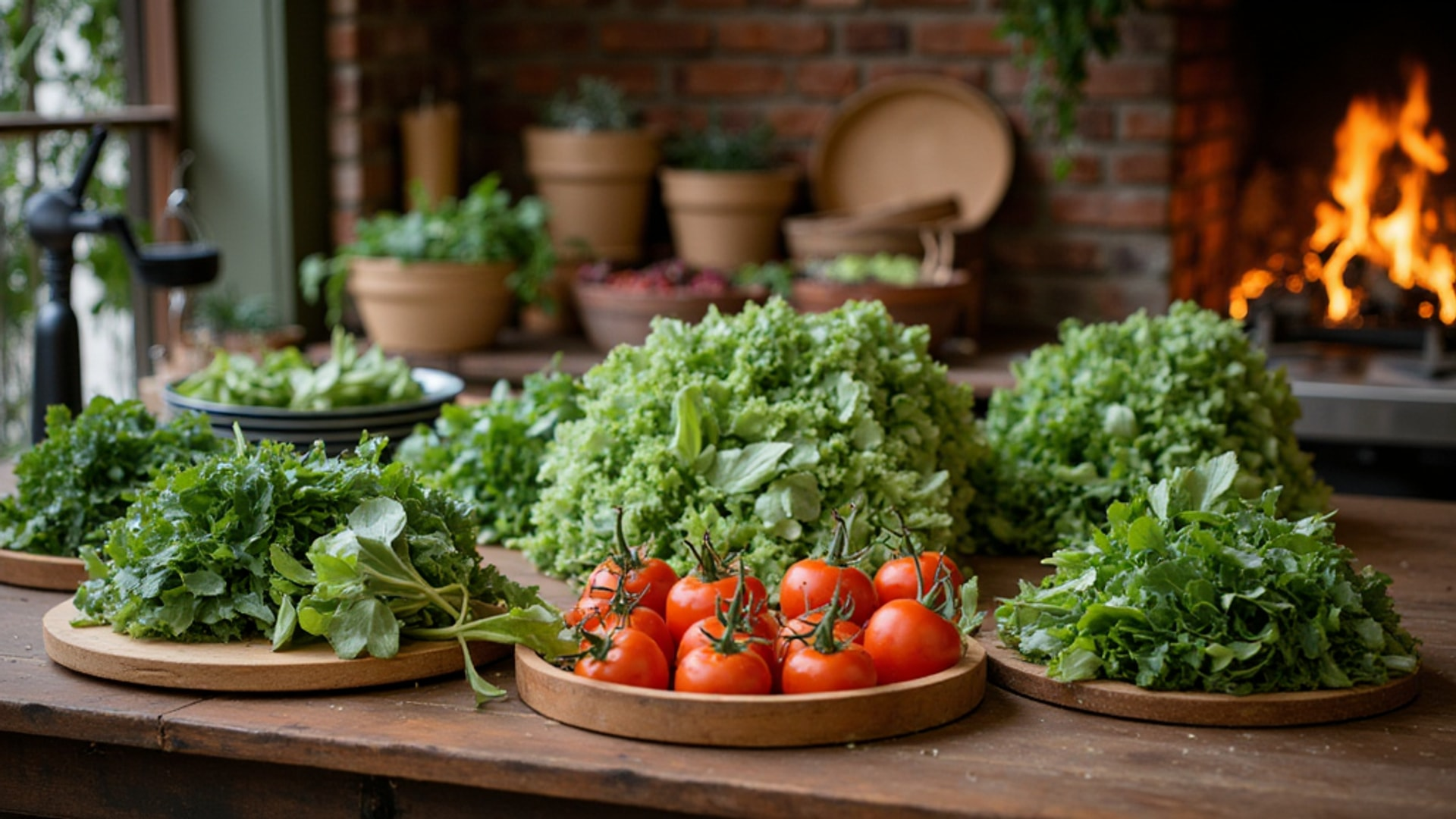
Direct produce sourcing is a strategy, not just a story. The farm name on your menu means nothing to your food cost structure if you haven’t thought through how the relationship actually works — delivery logistics, seasonal variability, pricing dynamics, and what happens when the crop fails. Done well, direct sourcing gives you better produce at better margins with a compelling origin story that justifies premium pricing. Done carelessly, it gives you unreliable supply, administrative headaches, and menu promises you can’t keep.
This is a guide to doing it well.
Why Direct Sourcing Makes Business Sense
The conventional produce supply chain passes through multiple hands between farm and restaurant: farm to regional distributor to broadline distributor to restaurant. Each hand takes a margin. Direct sourcing eliminates some or all of those intermediaries, capturing those margins for the restaurant or allowing the farm to earn more while the restaurant pays the same or less.
The quality case is equally strong. According to research on farm-to-table sourcing, local food systems can decrease food miles by up to 80 percent compared to conventional distribution channels. Less time in transit means less spoilage, more nutritional integrity, and produce that tastes the way it’s supposed to taste when it arrives at your back door.
The marketing case is documented. With 34 percent of consumers reporting that sustainability highly impacts their food purchasing decisions, farm partnerships are not just operationally attractive — they’re a competitive differentiator with measurable demand behind it. Guests who know where their food comes from spend more and return more often.
The Different Channels: Farmers Markets, Food Hubs, and Cooperatives
Direct sourcing doesn’t mean you personally visit every farm that supplies your kitchen. The market has developed several intermediary structures that retain the quality and relationship benefits while reducing the logistics burden.
Farmers markets are the most accessible starting point. Before you commit to any farm partnership, visit your local farmers market repeatedly. Sample products across multiple vendors and multiple weeks. Evaluate consistency, quality peaks, and the diversity of what’s available through the season. More importantly, talk to farmers. The conversations you have at farmers markets are the beginning of supply relationships — you’re evaluating their reliability, communication style, and interest in working with restaurants, not just the quality of what’s in their booth.
Many restaurants use farmers markets as their primary sourcing channel for specialty items — heirloom tomatoes, specialty mushrooms, unusual varieties that broadline distributors don’t carry. The volume limitations of farmers market purchasing make it impractical as a sole produce source, but it’s an excellent complement to other channels.
Food hubs aggregate products from multiple local farms into a single purchasing relationship. Instead of managing relationships with a dozen individual farms, you place one order with the food hub, which coordinates collection from its member farms and delivers to you. Food hubs handle the logistics that make multi-farm sourcing complicated — scheduling, collection, cold chain management, consolidated invoicing. They’re particularly valuable for restaurants that want local variety but don’t have the administrative capacity to manage many individual farm relationships.
The trade-off with food hubs is margin: they take a cut for providing the aggregation and logistics service, so prices are somewhat higher than direct farm purchase. For most operators, the simplification justifies the premium.
Farmer cooperatives pool products from member farms and handle distribution. The cooperative model is common in dairy and some produce categories. Members pool resources for distribution infrastructure, giving individual farms access to restaurant markets they couldn’t economically reach alone. For restaurants, cooperatives offer a single relationship with diverse supply — similar to food hubs but typically farmer-owned rather than independently operated.
Finding Farm Partners
Start with farmers markets, but extend your search from there. Local farm organizations and agricultural extension offices maintain directories of farms in your region and can connect you with producers who specifically sell to restaurants. Talk to other chefs and restaurant operators — they’ll share which farms have been reliable and which haven’t lived up to initial promises.
When you’re evaluating a potential farm partner, visit the farm before committing to a supply relationship. OpenTable’s restaurant guide to sustainable sourcing recommends scheduling farm visits to evaluate operations directly. Seeing how a farm operates, how they handle produce post-harvest, what their cold storage looks like, and how organized their operation is tells you more than any conversation can.
Ask about delivery cadence, substitution policies, and certifications. A farm that delivers twice weekly is operationally different from one that delivers once weekly — your menu planning and ordering rhythm have to accommodate their schedule, not the other way around.
Defining “Local”
Get specific about what you mean by local before you start making claims on your menu. Most restaurant industry practitioners and consumers understand “local” to mean within a 100 to 150 mile radius of the restaurant. The USDA uses a broader 400-mile guideline. Where you draw the line matters for both accuracy and credibility.
Vague sustainability claims invite scrutiny. “Locally sourced when possible” is weak. “Produce sourced within 150 miles, primarily from farms within 50 miles” is specific and defensible. Pick a definition, communicate it clearly, and actually apply it consistently. This specificity protects you from accusations of greenwashing and builds genuine trust with guests who are paying attention.
Building the Relationship: What the Farm Needs from You
Farm-to-restaurant relationships are genuine partnerships, and they require something from both sides. The farm needs demand predictability to plan planting, labor, and harvest capacity. If you order 50 pounds of tomatoes one week, zero the next, and 100 the week after, a small farm cannot manage its operation around you.
Share your projected volume needs and seasonal menu plans with farm partners so they can plan production accordingly. According to OpenTable’s guidance on farm-to-table sourcing, this forward-looking communication allows farms to scale production appropriately — planting more of what you’ll need, less of what you won’t.
Establish clear discussions covering delivery schedules, pricing structures, payment terms, quality standards, and contingency plans for crop failures. Farms deal with weather, pests, and disease — a crop failure is not a contract violation, it’s an agricultural reality. Understanding how a farm handles supply disruptions before you depend on them is essential. What happens when their tomato crop gets hit by blight? Do they source from a neighboring farm? Do they give you advance notice? Do they help you find an alternative? The answers reveal how much they value the relationship.
Outreach That Works
Approaching farms randomly rarely produces useful relationships. Personalize your outreach by referencing specific menu items where their products would be used. “We’re building a summer salad program around heirloom tomatoes and would love to feature your Sun Gold and Brandywine varieties” is a different conversation than “we’re looking for local produce.”
Position the relationship as mutually beneficial. You provide consistent demand and revenue; they provide fresh, unique ingredients and story material that enhances your menu. Restaurants that feature their supplier farms by name on menus and social media create real marketing value for the farm. Farmers who understand this dynamic are better partners.
Involve your kitchen team directly in supplier relationships. The chef who talks to the farm representative weekly and visits the farm quarterly will use those ingredients with more care and creativity than the chef who just sees whatever shows up in the delivery. That involvement makes the sourcing program more valuable, not just to the story but to the food itself.
Managing Seasonal Variability
Seasonal variability is the central operational challenge of direct produce sourcing. Local farms produce what they can grow in your climate during your season, full stop. This is the constraint that forces the menu planning approach that makes farm-to-table food interesting.
Build menus with stable core items sourced through conventional channels while featuring local ingredients in seasonal specials and rotating dishes. This blended approach balances operational consistency with the authentic local narrative. Buy locally when items are in peak season and abundant — that’s when quality is highest and price is best. Source out-of-season or cost-prohibitive items through standard distributors without apology.
The menu should be planned after consulting suppliers about availability rather than designing the menu first and then trying to source ingredients — see our seasonal sourcing strategy for more on this approach. This requires a different creative process — the farm’s harvest calendar becomes an input into menu development, not a constraint to work around after the fact.
Train front-of-house staff to handle questions about seasonal availability with confidence. When the heirloom tomato salad is off the menu because the season ended, staff who can explain why and recommend what’s currently at peak make that explanation feel like expertise, not failure.
Specialty Crops: The Premium Opportunity
The highest-margin opportunity in direct sourcing is specialty and under-represented crops that simply don’t move through standard distribution channels. Winter root vegetables — rutabagas, parsnips, celery root, turnips — are available from local farms but rarely appear on broadline distributor price lists. Heirloom grain varieties, specialty mushrooms, heritage breeds of winter squash, edible flowers, and unusual herb varieties fall into the same category.
These items command premium menu prices because they’re genuinely rare and differentiated. A dish built around an ingredient guests can’t get elsewhere creates the kind of menu interest that drives repeat visits and social sharing. Building supplier relationships specifically to access these specialty items is one of the highest-return investments a restaurant can make in its direct sourcing program.
The Cost Reality
Local sourcing typically carries higher per-unit costs than broadline distribution. Smaller farms lack the scale economies of industrial agriculture, and premium varieties cost more to grow. The standard benchmark is targeting overall ingredient costs around 30 percent of menu prices. For locally sourced items that command premium menu pricing, this benchmark is achievable despite higher procurement costs — the margin comes through on the revenue side, not just the cost side.
According to research compiled from multiple industry sources, 96 percent of restaurant operators face food cost challenges generally. Local sourcing adds another layer of cost complexity, which makes the revenue-side of the equation critical. Clearly identified farm-to-table dishes justify higher menu prices. The economic model only works when the premium story translates to premium pricing and guests pay it.
Managing costs in direct sourcing also means negotiating bulk purchases during peak harvest seasons when supply is abundant and prices are lowest. A farm that’s harvesting more tomatoes than they can sell in a week will negotiate on price for volume commitment. Buying in bulk during peak season — and having the kitchen preserve, ferment, or freeze appropriately — captures seasonal abundance at minimum cost.
Making the Story Real
A farm partnership that doesn’t show up in your guest experience is a missed opportunity. Farmer profiles on menus — a photograph and a paragraph about the farm — connect guests to the origin of what they’re eating. Specific sourcing mentions in dish descriptions (“roasted beets from Miller Family Farm, 40 miles north”) are more compelling than vague “locally sourced” labels.
Farm-to-table dining events, where the farm family joins for a dinner built around their products, create guest experiences that are genuinely unique and inherently shareable. Regular updates on your website listing current partner farms and seasonal rotations demonstrate ongoing commitment rather than a static marketing claim.
→ Read more: Local Sourcing Guide
→ Read more: Seasonal Menu Planning
The investment in the relationship, the story, and the communication is what makes direct sourcing worth the operational complexity. Produce alone doesn’t justify the work. The combination of produce quality, cost structure, and competitive differentiation does.