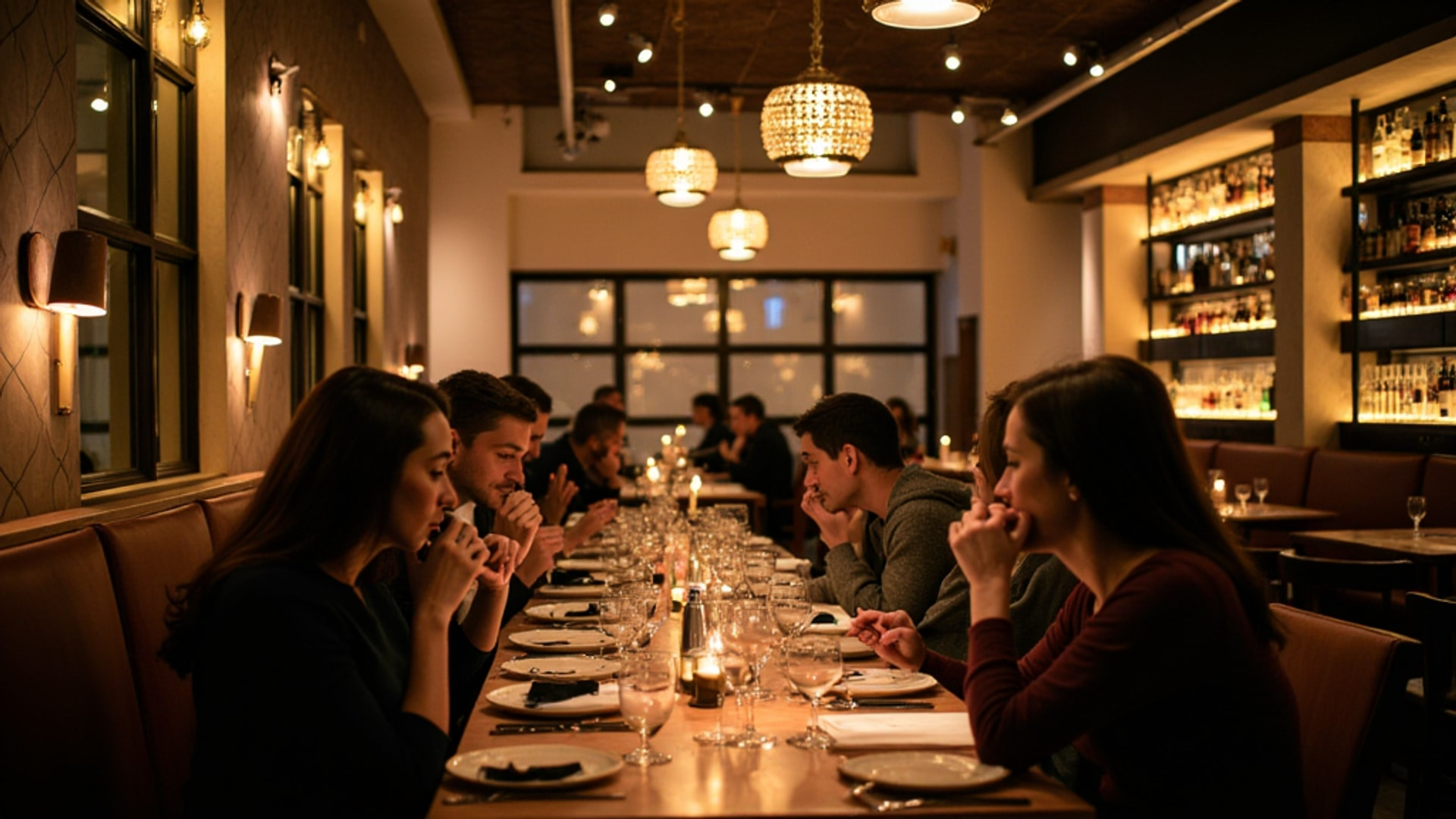
Menu Refresh and Relaunch: When to Update Your Menu and How to Do It Right
The signals that tell you it's time to refresh your menu, and the step-by-step process for doing it without disrupting operations.
A complete preventive maintenance schedule for restaurant equipment — daily, weekly, monthly, and quarterly — with the data to justify every hour you invest in it.
Most restaurant managers were promoted because they were great at their individual roles — but leadership requires a completely different skill set that almost no one teaches.
A practical guide to understanding third-party food safety audit standards and how to use them to verify your suppliers meet FDA requirements.
Trade area analysis is the analytical engine behind smart site selection — it tells you whether the people, traffic, and economics around a potential location can actually support your concept.
With 321 food halls operating in the U.S. and another 145 in development, the format is booming — but the business model is still being figured out by everyone involved.
A practical framework for designing restaurant storage areas that meet health code requirements, minimize contamination risk, and help your team work faster every shift.
How to reduce commercial kitchen energy costs through ENERGY STAR equipment, maintenance practices, and demand-controlled ventilation — with specific savings benchmarks by equipment category.
How to market and sell private dining and special events as a 30-40% revenue booster, with strategies that work year-round, not just during the holidays.
A structured process for testing new menu items with real customers before they go on the permanent menu.
Well-trained servers who upsell effectively boost revenue by 10-15% per table while improving the guest experience — here is how to build that capability in your team.
Cross-trained staff can improve speed of service and revenue collection by at least 20% — but only if the program is designed to add value, not just add tasks.