· Case Studies · 8 min read
Pop-Up to Permanent: How Temporary Concepts Become Lasting Restaurants
Pop-ups are not just a trend — they are a proven method for validating a restaurant concept before signing a lease, and the operators who use them strategically are building better restaurants as a result.
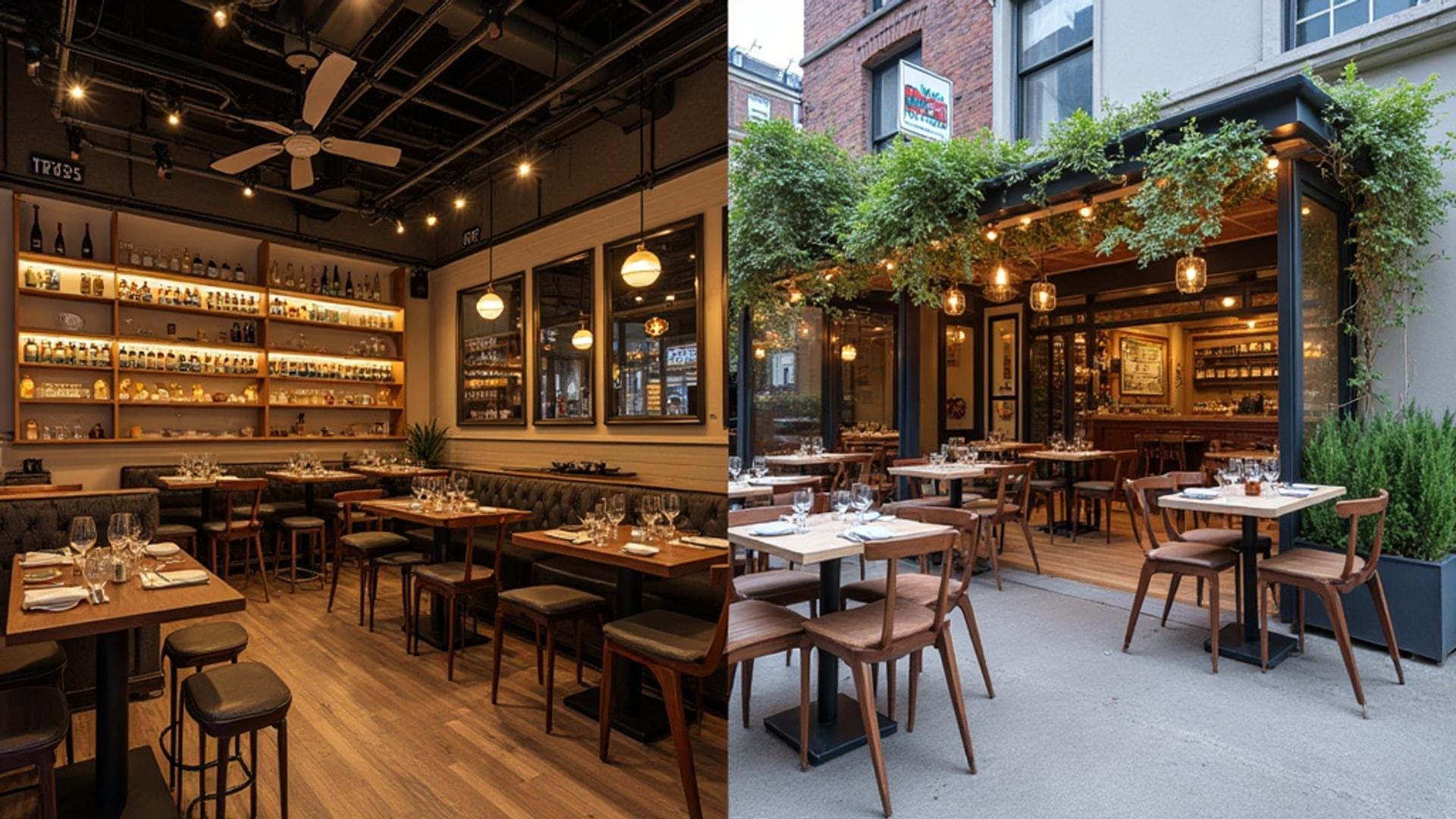
A restaurant lease commits you to a concept before you know whether the concept works. A pop-up lets you find out whether the concept works before you commit to a lease. This is not a complicated insight, but the operators who actually apply it are building more durable restaurants than those who skip the step.
The pop-up market was projected at $1.2 billion in growth by Horeca Webzine’s 2025 analysis — a figure that reflects not just consumer demand for temporary dining experiences, but investor and operator recognition that pop-ups function as a systematic risk-reduction tool for new restaurant businesses.
Why Pop-Ups Work as Business Tools
The traditional restaurant launch model requires an entrepreneur to make decisions about menu, concept, and location — decisions that will determine survival — before receiving any real-world feedback. The capital is spent, the lease is signed, and the build-out is complete before a single paying customer indicates whether the concept resonates.
Pop-ups invert this sequence. For the cost of a market stall fee, a commissary kitchen rental, or a temporary space agreement, an operator can serve real customers, observe real ordering behavior, refine real recipes, and build a real following through social media and word-of-mouth. The mistakes made during this phase are cheap mistakes. The successes are evidence for the investment case.
The Seattle Times’ reporting on pop-up transitions found that this validation period also builds the loyal customer base that dramatically reduces the marketing costs of a permanent launch. An operator who opens a permanent restaurant with 2,000 engaged social media followers who have already eaten the food — and told their friends about it — starts in a fundamentally different position than an operator who is introducing themselves to the market for the first time on opening day.
Maiz de la Vida: Instagram to James Beard
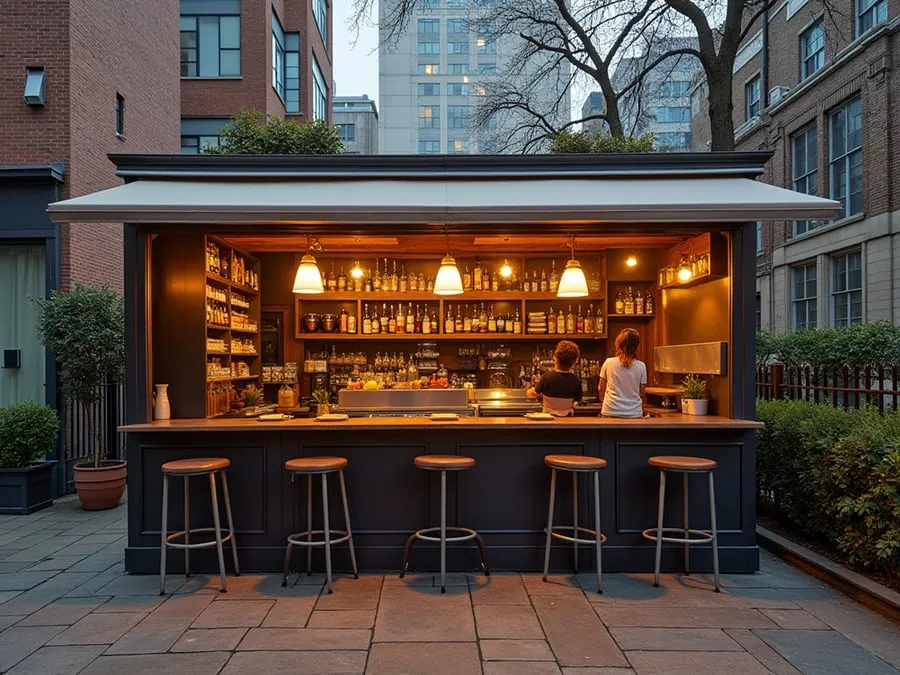
Julio Hernandez launched Maiz de la Vida in Nashville in 2023 as a pop-up concept built on hand-pressed tortillas and quesabirria tacos. The business development tool he used first was an Instagram account. Horeca Webzine reported the dish went viral, which led to an appearance on Phil Rosenthal’s Netflix show and a James Beard Award nomination — all before a single permanent restaurant existed.
In 2024, Maiz de la Vida opened its first brick-and-mortar location in Nashville’s Gulch neighborhood. By that point, the restaurant was entering the market with something most new restaurants cannot buy: an established audience with proven demand. The menu was already known. The story was already told. The opening was a confirmation, not an introduction.
This trajectory is increasingly common in markets where social media enables food concepts to build followings independently of physical infrastructure. But Hernandez did not simply post and wait. He served food consistently enough to validate quality, built a community around the concept, and made the transition to permanence when the demand justified it. The sequence was deliberate, not accidental.
PopUp Bagels: From Pre-Order to 13 Locations
PopUp Bagels launched in 2020 as a pre-order pop-up model — customers ordered in advance, picked up at designated times, and the sourdough bagel concept operated without a physical storefront. By 2025, the concept had grown into a mini-franchise with 13 locations, according to Horeca Webzine’s 2025 analysis.
The pre-order model is particularly instructive. By requiring customers to commit before the food is prepared, PopUp Bagels eliminated the uncertainty of walk-up demand and the waste that comes from preparing product that may not sell. The pre-order data also provided direct insight into demand volumes, customer geography, and popular items that informed every subsequent location decision.
The 13-location expansion happened because each step of the process generated reliable data about what worked. The pop-up phase was not just a launch phase — it was the research infrastructure that made the franchise phase possible.
Curbside Burgers: The Gradual Scaling Path
Nick Hufft’s Curbside Burgers story, documented by The Seattle Times, illustrates a different version of the same principle: start small, validate, scale with the revenue from each prior stage.
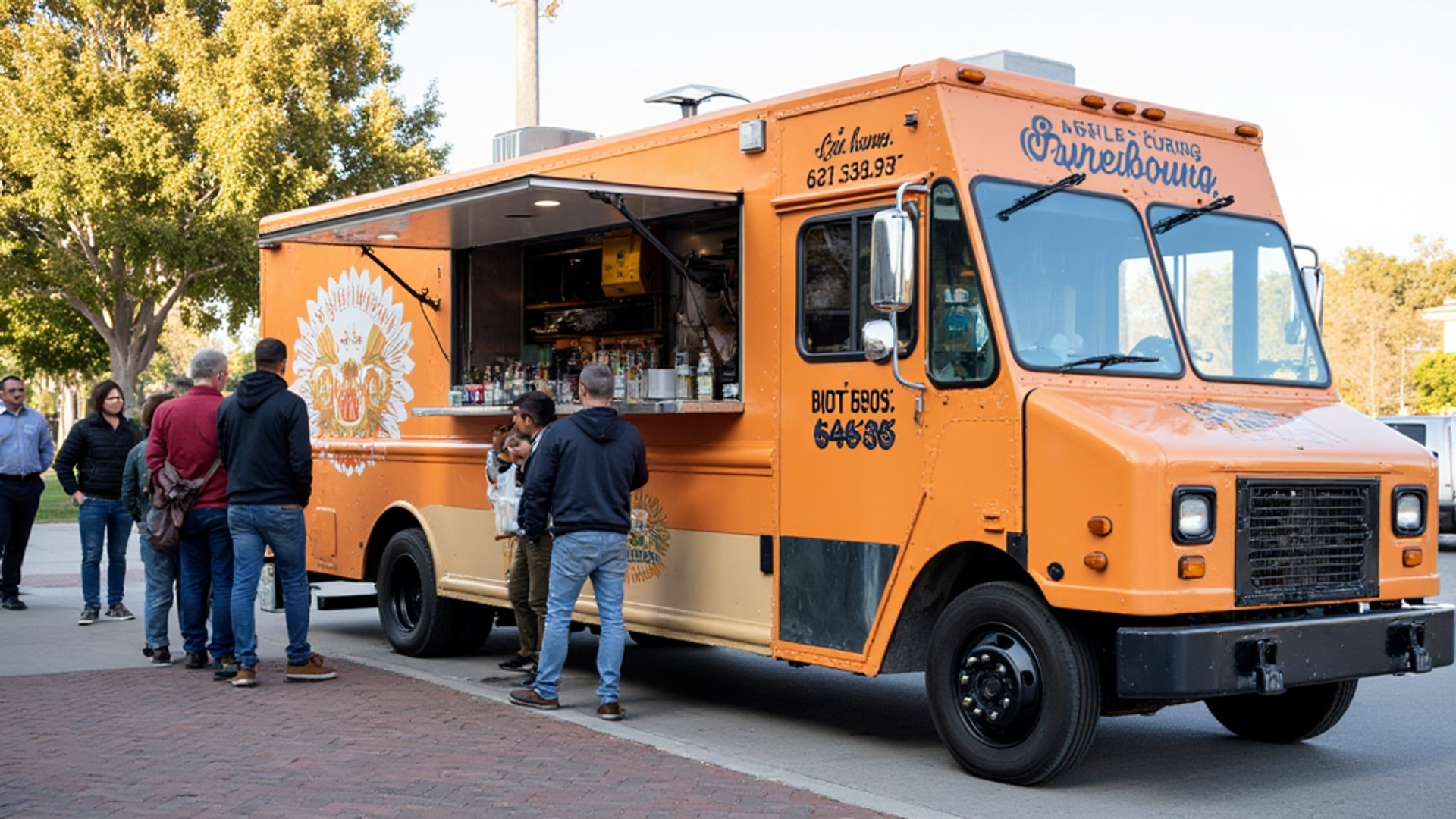
Hufft started with a food trailer in Baton Rouge, upgraded to a food truck around 2015, and opened a permanent restaurant on Government Street in 2016. From that foundation, he co-founded a hospitality group that now includes multiple restaurant concepts across Baton Rouge and New Orleans.
The staged approach meant that each phase funded the next without requiring external capital. The trailer’s profits enabled the truck. The truck’s revenue and operational track record enabled the restaurant lease. The restaurant’s success justified the hospitality group expansion. At no point did Hufft need to convince an investor to fund a concept that had no market validation. The market provided the validation, and the capital followed.
London Examples: Som Saa and Clove Club
The UK restaurant scene has produced some of the most studied pop-up-to-permanent transitions, particularly in London where the density of food-curious diners creates a receptive market for temporary dining experiences.
Som Saa, a Northern Thai restaurant, built such strong demand during its pop-up phase that it successfully crowdfunded the capital needed for a permanent location in Spitalfields. The crowdfunding campaign was itself evidence of the pop-up’s success — people who had eaten the food trusted it enough to fund its permanence before it existed.
The Clove Club evolved from a traveling supper club into a Michelin-starred restaurant. The Seattle Times’ analysis shows this transition demonstrates that pop-up success can generate both the customer base and the critical recognition needed for a permanent operation at the highest tier of the market. The supper club format allowed the founders to develop their cooking and service philosophy over time, then apply that developed identity to a fixed location with immediate credibility.
Sundaze Burgers: A Quantitative Case
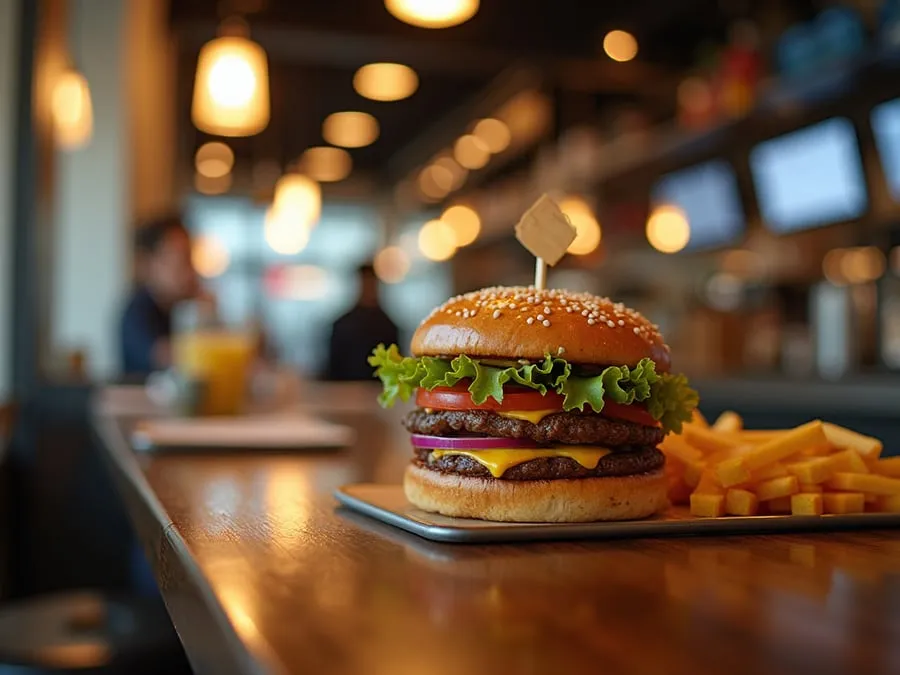
Sundaze Burgers provides one of the cleaner quantitative cases for the pop-up strategy’s revenue impact. The Seattle Times reported that through smart use of limited-time offerings, targeted online promotions, and optimized menu design during its pop-up phase, the concept increased monthly sales by 473%. This growth rate enabled the transition to a permanent business generating six-figure revenue.
The 473% figure is not just impressive as a growth number — it illustrates what happens when a concept is optimized through iteration rather than launched fully formed. Each pop-up is a test of a hypothesis about what customers want, at what price, in what quantities. The operators who run this iteration systematically arrive at their permanent location with a refined concept, not an unproven one.
Sixby Cafe: The Farmer’s Market Path
Natasha Gaskill operated a stall at the Forsyth Farmer’s Market in Savannah, Georgia before opening Sixby Cafe as a permanent all-day cafe in 2024. The farmer’s market served simultaneously as a revenue source and a customer acquisition channel — a combination that makes the pop-up phase financially self-sustaining rather than a pure cost of exploration.
This model works particularly well for food concepts that benefit from proximity to ingredient sources. A baker who sells at a farmer’s market builds relationships with both farmers and customers at the same time. The permanent cafe, when it opens, arrives with supplier relationships already established and a customer list already populated.
The Pandemic Window
The COVID-19 pandemic created an unplanned window for pop-up concepts to make the transition to permanence. As established restaurants closed, vacant retail space increased and lease terms became more favorable for new operators. The Seattle Times documented how several pop-up concepts in Seattle and other cities leveraged this moment to secure permanent locations at conditions they would not have found in a normal market.
This was not luck — it was operators who had been building their concepts in pop-up format and were ready to move when the opportunity appeared. The pandemic disruption compressed a transition that might have taken longer under normal market conditions. The operators who benefited were those who had already done the validation work.
Making the Transition Successfully
Horeca Webzine’s 2025 analysis identifies the main challenges in moving from pop-up to permanent: securing appropriate real estate, navigating the more complex permitting and licensing requirements of permanent restaurants, and scaling kitchen and service operations from pop-up volumes to full-service capacity.
The most successful transitions, across all the cases studied, share one characteristic: they preserve the authenticity and intimacy of the pop-up experience while building the operational infrastructure to serve larger volumes consistently. The pop-up’s energy — the sense of excitement, the directness of the operator’s personal involvement, the quality focus that comes from doing a small number of things very well — is exactly what the permanent restaurant needs to maintain as it scales. The operators who understand this protect it deliberately. The ones who don’t often find that their permanent restaurant is more expensive and less interesting than what made the pop-up worth attending.
The pop-up is not a marketing strategy. It is a research and development process that produces a restaurant worth opening.
→ Read more: Testing Your Restaurant Concept Before You Invest
→ Read more: Pre-Opening Marketing Plan
→ Read more: Pop-Up Restaurant Marketing