· Design & Ambiance · 7 min read
Restaurant Art and Decor: How Wall Treatments Build Brand Identity and Drive Social Sharing
A practical guide to selecting, commissioning, and installing restaurant art and wall decor that tells your brand story, photographs well, and earns free social media coverage.
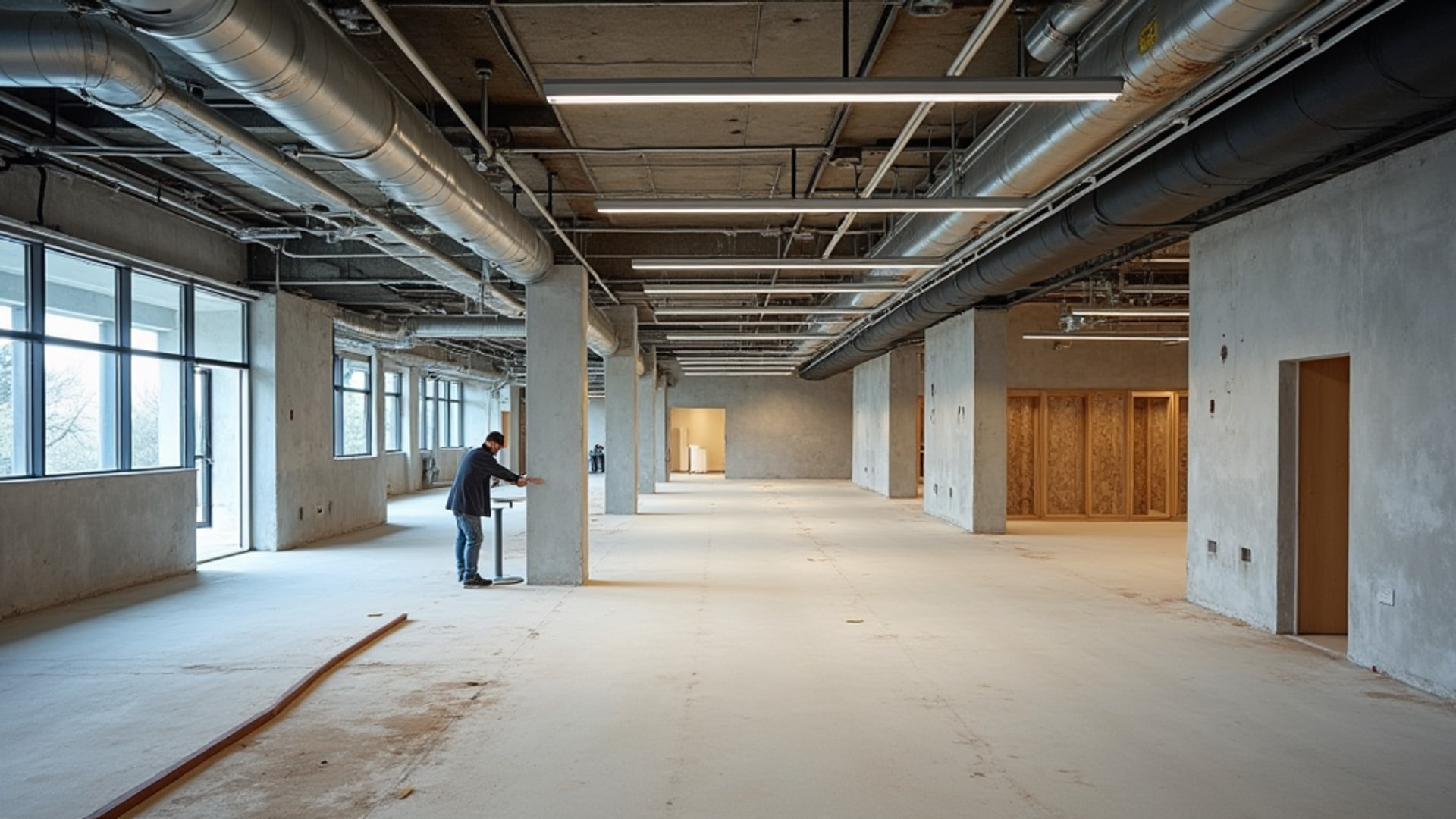
Wall decor is one of the most visible and most frequently mishandled elements of restaurant design. Either operators invest nothing and end up with blank white walls that communicate indifference, or they over-decorate with generic prints and tchotchkes that communicate nothing specific. According to Perfect Venue, the most impactful wall treatments tell a story that connects to the restaurant’s concept, cuisine, or community — and when they do that well, guests photograph them and post them, generating free marketing for every table that books as a result.
Here is a framework for approaching art and decor decisions strategically rather than decoratively.
The Three Jobs Wall Decor Does
Before choosing anything, understand what your walls need to accomplish:
1. Atmosphere and Acoustic Performance
Wall surface materials significantly affect how a room sounds, as discussed in our guide to acoustics and noise control. Mixed media and three-dimensional artwork stand out and serve practical purposes — fabric-covered panels, upholstered surfaces, and woven textiles absorb sound while functioning as decor. Hard surfaces like glass, metal, and tile reflect sound and contribute to noise levels.
If your restaurant has an acoustics problem, start the solution at the walls. The best acoustic wall treatments are indistinguishable from purely decorative ones when properly designed.
2. Brand Identity and Storytelling
Wall treatments should complement the overall brand narrative rather than compete with other design elements. Your walls should answer the question “why does this restaurant exist?” without using words. A farm-to-table restaurant might display local agricultural photography or hand-drawn botanical illustrations. A neighborhood Italian spot might cover a wall in family photographs from the owner’s hometown. A Japanese ramen bar might feature a single large-scale calligraphy piece. The narrative should be specific to your concept, not generic to your category.
3. Social Media Generation
According to Perfect Venue, Instagram-worthy wall design elements drive organic social media marketing. This isn’t about cynically manufacturing photo opportunities — it’s about creating design moments that are genuinely striking enough that guests want to share them. The test: if you saw this wall in a magazine, would you remember it? If not, guests won’t photograph it.
The Six Most Effective Wall Treatment Categories
1. Murals
Wall murals — whether hand-painted or printed — create conversation-starting statement walls. A full-wall mural can transport diners to another place or time, illustrate the restaurant’s origin story, or simply create a striking visual that becomes synonymous with the brand.
Hand-painted vs. printed murals:
| Type | Cost | Authenticity | Customization | Longevity |
|---|---|---|---|---|
| Local artist mural | $2,000–$15,000 | Highest | Complete | 10+ years |
| Digitally printed wallpaper | $500–$3,000 | Medium | High | 5–8 years |
| Vinyl wrap | $300–$1,500 | Low | High | 3–5 years |
Commissioning a local artist delivers two benefits: a genuinely original piece and a community connection that is its own marketing story. Custom murals by local artists double as community engagement, connecting the restaurant to its neighborhood’s creative culture.
2. Living Plant Walls
Living plant walls achieve dramatic visual impact through biophilic design, bringing natural texture and color to the space while improving air quality and aligning with sustainability values. A well-maintained living wall is one of the most photographed elements in contemporary restaurant design.
The practical consideration: living walls require maintenance infrastructure — irrigation, drainage, appropriate lighting, and a plant care schedule. Budget $3,000–$15,000 for installation and $200–$500 per month for maintenance. Artificial preserved moss panels offer a lower-maintenance alternative at similar visual impact, starting around $1,500 for a feature wall, with no ongoing maintenance cost.
3. Gallery Walls
Gallery wall compositions mixing various frame sizes, media types, and dimensional objects create visual richness that invites closer inspection. Gallery walls work across virtually any concept — the key is curation, not just accumulation.
Gallery wall principles:
- Establish a consistent palette (all black frames, or all natural wood frames — not mixed metal)
- Mix scales deliberately: one large anchor piece with medium and small works around it
- Include dimensional elements (mirrors, shelves, small objects) for visual variety
- Leave breathing room — the walls between pieces are part of the composition
- Curate to a theme or story — avoid random collections that feel arbitrary
Gallery walls mixing mirrors, framed artwork, plates, clocks, and trinkets create a sense of homeliness and familiarity. But the best gallery walls feel intentionally assembled, not randomly accumulated.
4. Interactive Elements
Interactive wall elements transform passive decor into guest experiences. Chalkboard walls where diners can leave messages create an evolving, community-driven artwork. Digital displays can rotate between local artist showcases, historical content, and promotional messaging.
These work especially well in:
- Neighborhood restaurants building community identity
- Concepts targeting younger demographics who value participation
- Restaurants in tourist areas where guest messages from around the world create authentic travel context
The risk: if the chalkboard doesn’t receive regular moderation and maintenance, it quickly becomes cluttered and sad. Assign someone to refresh it at the beginning of each week.
5. Reclaimed and Sustainable Materials
Reclaimed wood, recycled materials, and living plant walls align with sustainability trends that resonate with contemporary diners. Beyond the environmental narrative, reclaimed materials create authenticity that new materials struggle to replicate. Old barn wood, salvaged factory windows, reclaimed brick, and weathered metal carry visible history that speaks immediately to guests.
Reclaimed wood accent walls are among the most cost-effective high-impact treatments available — often comparable to or less expensive than new materials while delivering superior visual character.
6. Handcrafted and Artisanal Elements
Handcrafted elements evoke warmth and authenticity, turning walls into artisanal focal points. Ceramic tile installations, hand-thrown pottery displays, woven textiles, and hand-forged metal pieces communicate that the restaurant values craft — a signal that extends to the food and service.
These elements also photograph beautifully under natural light and are highly shareable because they’re genuinely distinctive.
Lighting the Walls: The Multiplier Effect
The lighting of wall decor is as important as the decor itself: directed spotlights, picture lights, and ambient wall washers can dramatically change how artwork and texture are perceived throughout different times of day and service periods.
Wall lighting techniques:
- Picture lights: Mounted directly on or above artwork; ideal for framed pieces and murals
- Track lighting: Adjustable spotlights that can be repositioned as the display changes
- Wall washers: Broad, even light that reveals texture (especially effective on brick, stone, and dimensional surfaces)
- Accent grazing: Light positioned very close to the wall surface to emphasize texture — effective on brick, stone, and 3D installations
- Backlighting: LED strips behind translucent panels, shelving, or sculptural elements; creates depth
Wall sconces, art lights, and string lights highlight textures and frame artwork effectively. Add lighting specifically designed for your wall features — don’t rely on the general room lighting to do the job.
The Clutter Problem: A Slow Poison
Visual clutter is a slow-building problem that operators become blind to. On opening day, the space is clean and intentional. Then a promotional sign goes up. Then a loyalty program banner. Then seasonal decorations that never come down.
The recommendation is a quarterly design audit viewed as if seeing the space for the first time, maintaining a strict one-in-one-out policy for any non-permanent elements. This discipline is as important as the original design investment.
Budget Framework by Impact Level
| Approach | Investment Range | Impact | Best For |
|---|---|---|---|
| Painted accent wall + local art | $500–$2,000 | Medium | Budget builds, fast-casual |
| Gallery wall (curated) | $1,500–$5,000 | Medium-high | Casual dining |
| Local artist mural | $3,000–$15,000 | High | Neighborhood concepts |
| Living plant wall | $3,000–$20,000 | Very high | Contemporary, sustainability-focused |
| Custom installation (tiles, metal, 3D) | $5,000–$30,000+ | Very high | Destination restaurants |
One strong statement wall is more effective — and more photographable — than four mediocre ones. Concentrate your budget on a single feature that will define the space rather than spreading it thinly across every surface.
Summary: Wall Decor Decision Framework
- Define the story you’re telling before selecting any specific treatment
- Choose materials that perform acoustically as well as visually
- Design one specific “photograph-worthy” wall in every dining room
- Commission local artists when budget allows — the community story is part of the marketing
- Light the walls specifically, not just generally
- Budget for maintenance: living walls, chalkboards, and displayed collections all require ongoing attention
- Conduct a quarterly clutter audit and enforce one-in-one-out on all new additions
→ Read more: Restaurant Theme and Storytelling
→ Read more: Color Psychology in Dining