· Design & Ambiance · 8 min read
Biophilic Design in Restaurants: Living Walls, Natural Materials, and Wellness
Biophilic design goes far beyond plants on shelves — done right, it measurably reduces stress, extends guest dwell time, and makes your restaurant worth photographing.
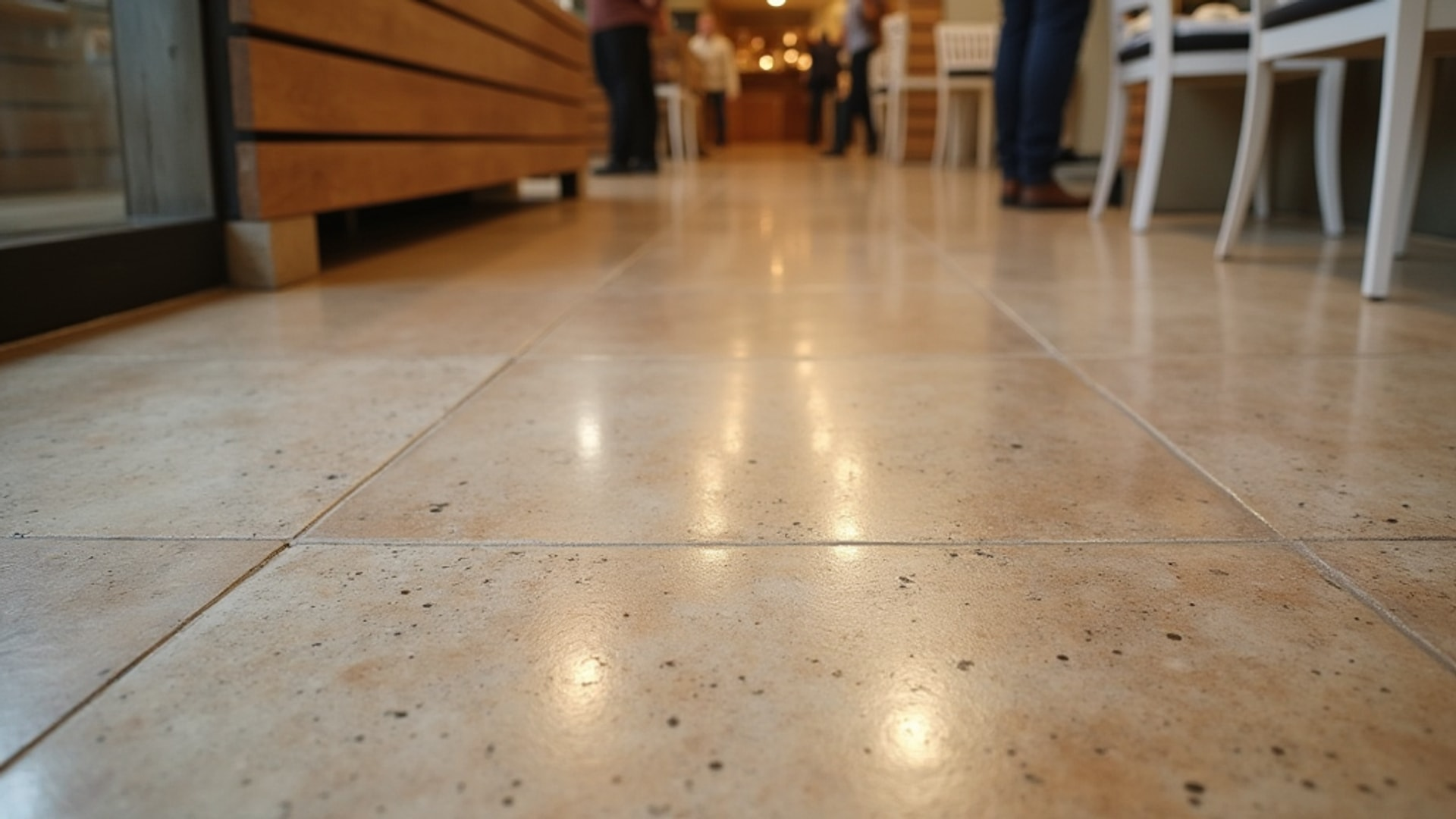
The term “biophilic design” might sound like a trend word, but the principle it describes is rooted in solid research: humans have an innate psychological need for contact with nature, and that need doesn’t disappear when we walk into a restaurant. Spaces that incorporate natural elements — plants, water, natural light, organic textures — genuinely affect how guests feel and how long they stay. According to Sansa Interiors, biophilic design increases dwell time as guests feel more relaxed and comfortable, while indoor plants improve oxygen levels, enhance mood, and reduce stress for both guests and staff.
This isn’t decoration for decoration’s sake. It’s a design strategy that affects your bottom line.
What Biophilic Design Actually Means
Biophilic design is the intentional integration of nature into built environments. It’s not about having a few potted ferns near the entrance. The full approach encompasses living plant systems, natural material palettes, water features, natural light, organic forms in furniture and architecture, and even scent and sound.
The practical application in restaurants ranges from modest — adding meaningful plant groupings, choosing natural wood and stone surfaces, maximizing existing windows — to comprehensive, including full living wall installations, interior water features, and skylights designed as architectural focal points.
The trend accelerated significantly after 2020, as Sansa Interiors notes, with restaurants increasingly seeking to create restorative environments that function as a counterpoint to digital, screen-heavy daily life. The post-pandemic emphasis on health, well-being, and outdoor connection pushed biophilic design from a niche premium feature to a mainstream expectation in the competitive middle and upper segments of the market.
Living Green Walls: The Signature Element
Living green walls have become the defining feature of biophilic restaurant interiors. These vertical garden installations transform blank walls into lush, living surfaces that deliver multiple functional benefits simultaneously.
The acoustic benefit is significant and often underestimated: according to Sansa Interiors, a living wall can reduce ambient noise by 20 to 30 percent through sound absorption. Plants absorb sound through their leaves, stems, and the growing medium — the effect increases with the density and depth of the installation. In a loud dining room, a large living wall is both an aesthetic statement and a meaningful noise-reduction tool.
The air quality benefit is real, though modest in the scale of a commercial dining room with regular ventilation. Plants absorb carbon dioxide and release oxygen, filter airborne particles, and in some species reduce volatile organic compounds. The psychological impact of greenery — the perception of cleaner, fresher air — may matter as much as the measurable effect.
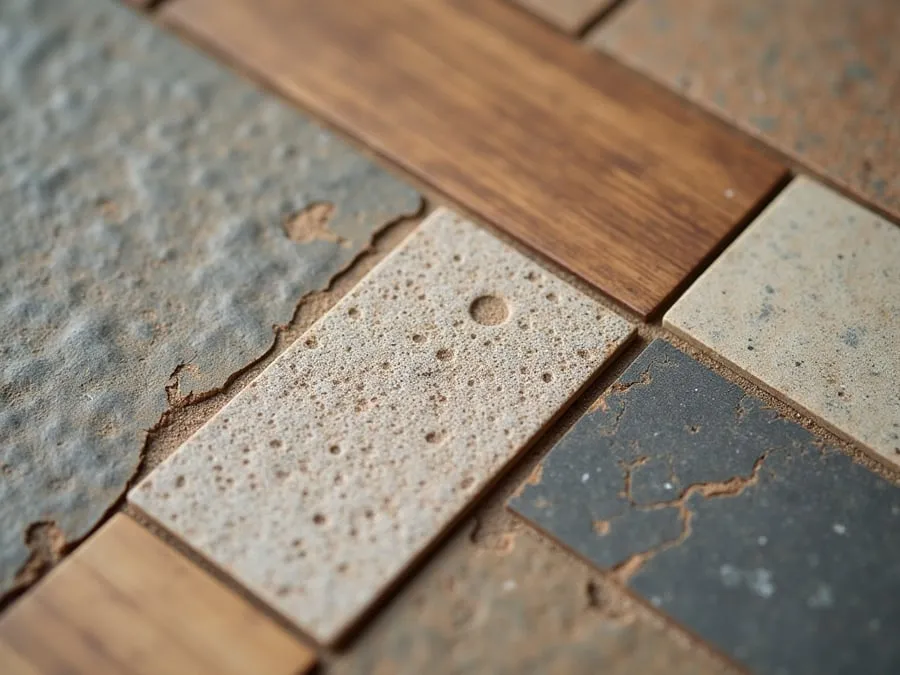
Plant Selection for Living Walls
Not all plants survive the indoor commercial environment. Restaurant living walls must withstand variable light, controlled irrigation systems, significant foot traffic proximity, temperature swings from kitchen exhaust and HVAC, and the general demands of a high-use public space.
Sansa Interiors recommends these species for restaurant living wall applications:
- Pothos (Epipremnum aureum) — tolerates low light, drought, and variable conditions
- Sword fern — dense, rich texture that reads well in vertical installations
- Peace lily — handles low light with attractive leaf structure
- Dragon plant (Dracaena) — structural form and low maintenance demand
- Lipstick plant (Aeschynanthus) — trailing habit ideal for vertical surfaces
The planting mix matters as much as individual species selection. Combining varying leaf sizes, textures, and shades of green produces the visual richness that makes living walls photographable — which matters enormously for social media impact.
Infrastructure Requirements
A living wall is not a passive installation. Sansa Interiors is direct about the maintenance requirements: living walls need irrigation systems, supplemental lighting, and regular plant care. Budget for these ongoing costs before committing to the installation.
Irrigation: Most commercial living walls use automated drip or hydroponic systems that deliver water and nutrients on a controlled schedule. These systems require periodic calibration and maintenance and can cause significant damage if they fail undetected.
Lighting: Unless the wall is positioned adjacent to a substantial natural light source, supplemental grow lighting is required. LED grow lights have become efficient and visually unobtrusive, but they add to the infrastructure cost and must be maintained.
Plant replacement: Even the most resilient species will fail occasionally, especially in the demanding conditions of a restaurant. Budget for replacement plants and establish a relationship with a horticultural maintenance service that can respond quickly when sections of the wall deteriorate.
The installation cost for commercial living walls varies widely based on size and system type, but the ongoing maintenance commitment is the more important operational consideration. Tundra Restaurant Supply notes that sustainable design features are increasingly factored into certification and operational cost analyses. Many operators find the return in guest experience, brand differentiation, and social media visibility justifies the investment — but it’s a real cost that belongs in the operating budget, not a one-time capital expense.
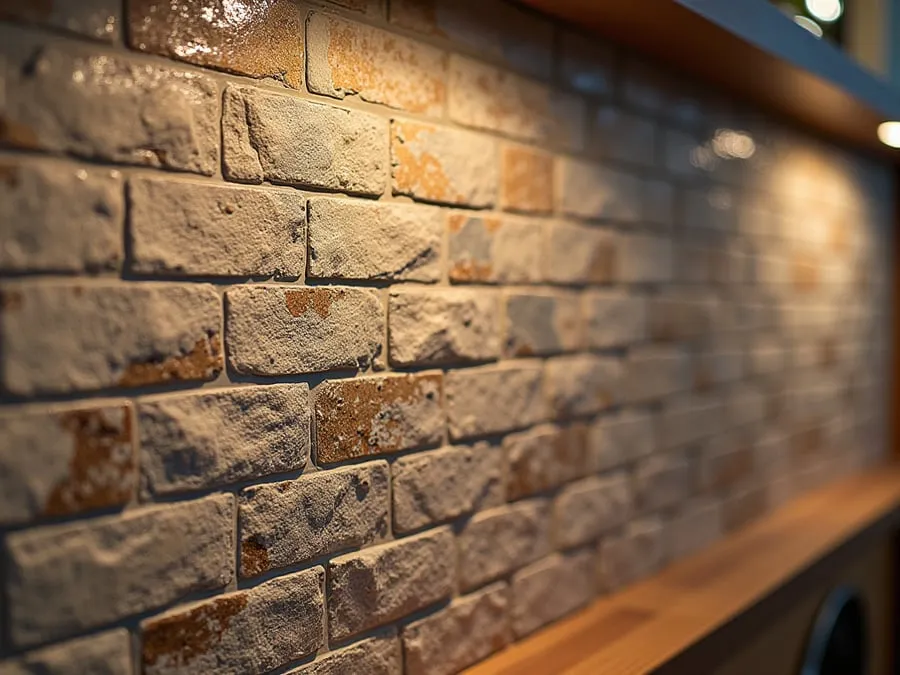
Natural Materials Beyond Plants
Biophilic design extends well beyond living elements. The broader material vocabulary includes:
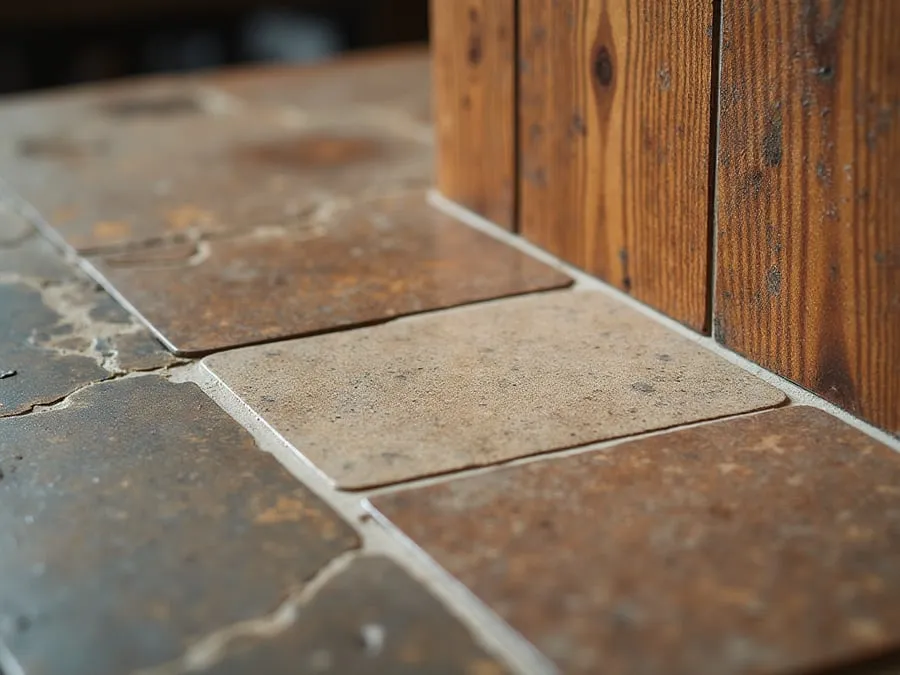
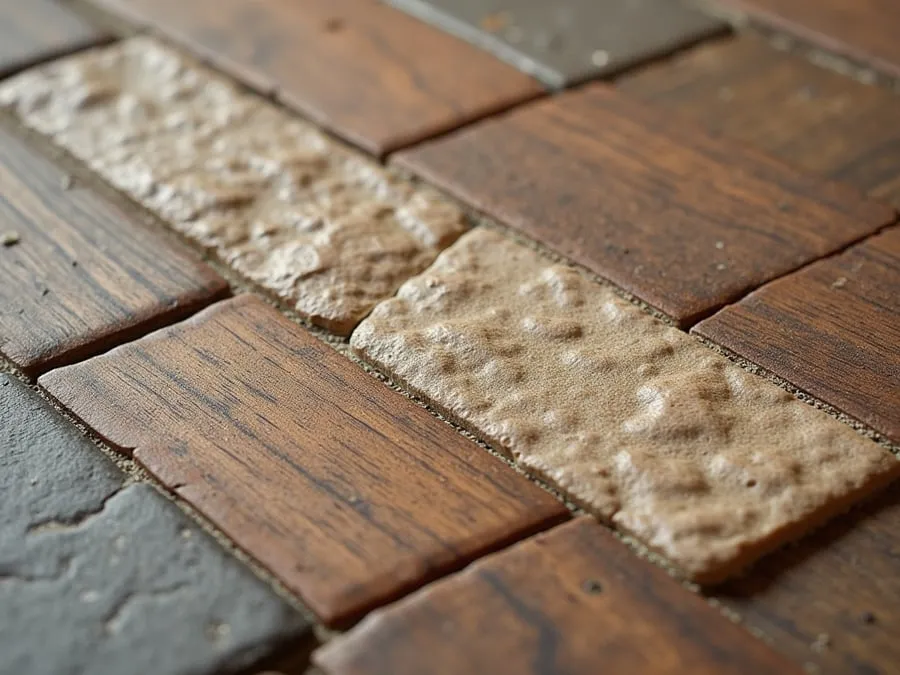
Wood: Exposed timber structure, reclaimed wood paneling, live-edge table tops, and rough-sawn beam ceilings all contribute to the biophilic effect. Wood’s warmth, grain variation, and tactile texture create sensory richness that manufactured materials can’t replicate. Reclaimed wood adds the additional narrative dimension of history and sustainability.
Stone and mineral surfaces: Natural stone — whether marble, limestone, slate, or granite — brings pattern variation, thermal mass, and a connection to geological time that tile and synthetic surfaces approximate but never match. Even stone-look porcelain, now extremely convincing visually, lacks the tactile irregularity that makes natural stone distinctive.
Water features: Interior fountains, wall water features, and even reflective pools create ambient sound and visual movement that are powerful biophilic cues. The sound of moving water is one of the most reliably calming environmental signals for humans. Water features require maintenance and can be challenging to integrate into tight floor plans, but where space and concept allow, they add a layer of sensory richness difficult to achieve through other means.
Natural fiber textiles: Linen, wool, jute, and cotton in upholstery, curtains, and decorative elements contribute tactile warmth while grounding the color palette in natural tones.
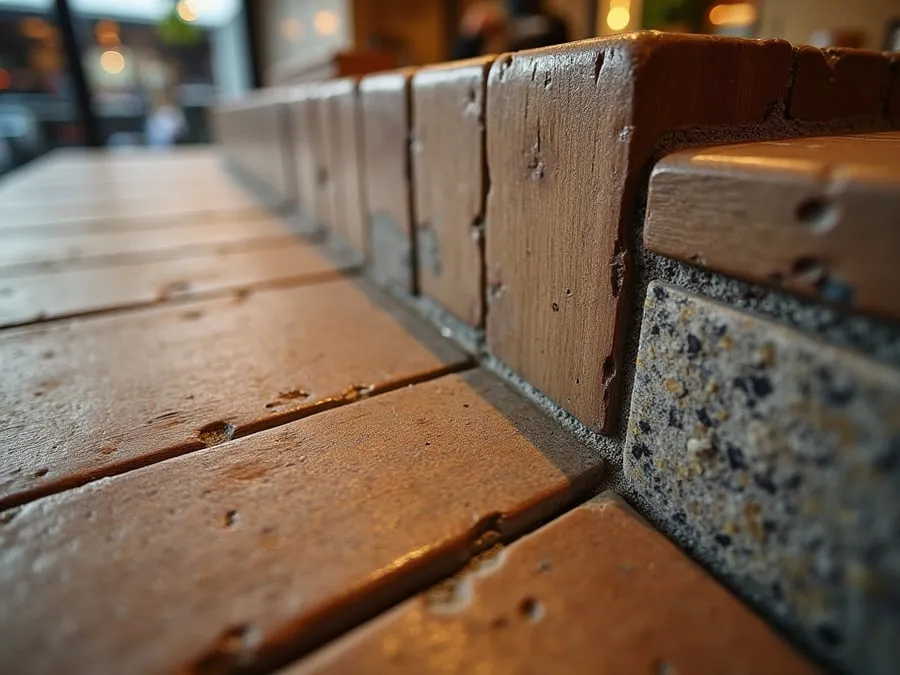
Natural Light as a Design Foundation
Sansa Interiors identifies natural light as a core tenet of biophilic design — not an optional enhancement but a foundational element. The approach means maximizing daylight penetration through strategic window placement, skylights, and glass partitions.
The practical challenge in restaurants is balancing natural light with operational needs. Direct sunlight on table surfaces creates glare and heat. South- and west-facing windows in afternoon service can produce uncomfortable conditions for guests. The design solution is not to minimize windows but to control the quality of light through strategic orientation, appropriate glazing, and supplemental shading that filters light without eliminating it.
Skylights are particularly effective biophilic elements because they introduce light from above — the direction humans instinctively associate with the outdoors — and can be positioned to illuminate plants and other natural elements dramatically. Even small skylights can transform a previously cave-like dining room into a space that feels genuinely connected to the sky.
The Business Case
The business argument for biophilic design is practical, not aspirational.
Guest experience and dwell time: Guests in biophilically designed spaces feel more relaxed, which means they stay longer and spend more. The correlation between comfort and average check size is well-established in hospitality research.
Staff well-being and retention: Restaurant staff spend more hours in the space than any guest. The same psychological benefits that affect guests apply equally to the team. Biophilic environments have been linked to improved employee retention and reduced burnout in commercial settings.
Brand differentiation and social media value: A well-executed living wall or dramatic natural feature creates an immediately shareable visual that guests photograph and post organically. Sansa Interiors identifies this organic marketing reach as a significant benefit — and it can far exceed the equivalent value of paid advertising.
Practical Starting Points
If a full living wall system is beyond your current budget, biophilic design exists on a spectrum. Meaningful improvements can be made at any scale:
Start with grouped plantings in large, high-quality containers rather than scattered small pots. A cluster of three or four substantial plants reads as an intentional design feature. Individual small plants in random locations read as an afterthought.
Prioritize natural materials in new furniture and surface selections. A reclaimed wood host stand or a stone bar top will outlast most trends and consistently read as higher quality than their synthetic equivalents.
Maximize existing natural light through cleaner windows, lighter window treatments, and thoughtful furniture placement that doesn’t block daylight paths.
Add natural texture through soft furnishings — wool throws, linen cushions, jute rugs — at relatively low cost.
These incremental additions won’t produce the dramatic visual impact of a full living wall installation, but they move the space meaningfully toward the biophilic register and create a foundation for larger investments as the business grows.
Biophilic design in restaurants is ultimately about creating spaces where humans feel the way humans are wired to feel: connected to the natural world, less stressed, more present. In an industry where atmosphere is half the product, that’s not a luxury — it’s a competitive advantage.
→ Read more: Restaurant Art and Decor
→ Read more: Sustainable Restaurant Design