· Marketing · 7 min read
Restaurant Social Media Content: Building a Calendar That Actually Gets Posted
The difference between restaurants with great social media and those who post sporadically is a content calendar — here is how to build and sustain one.
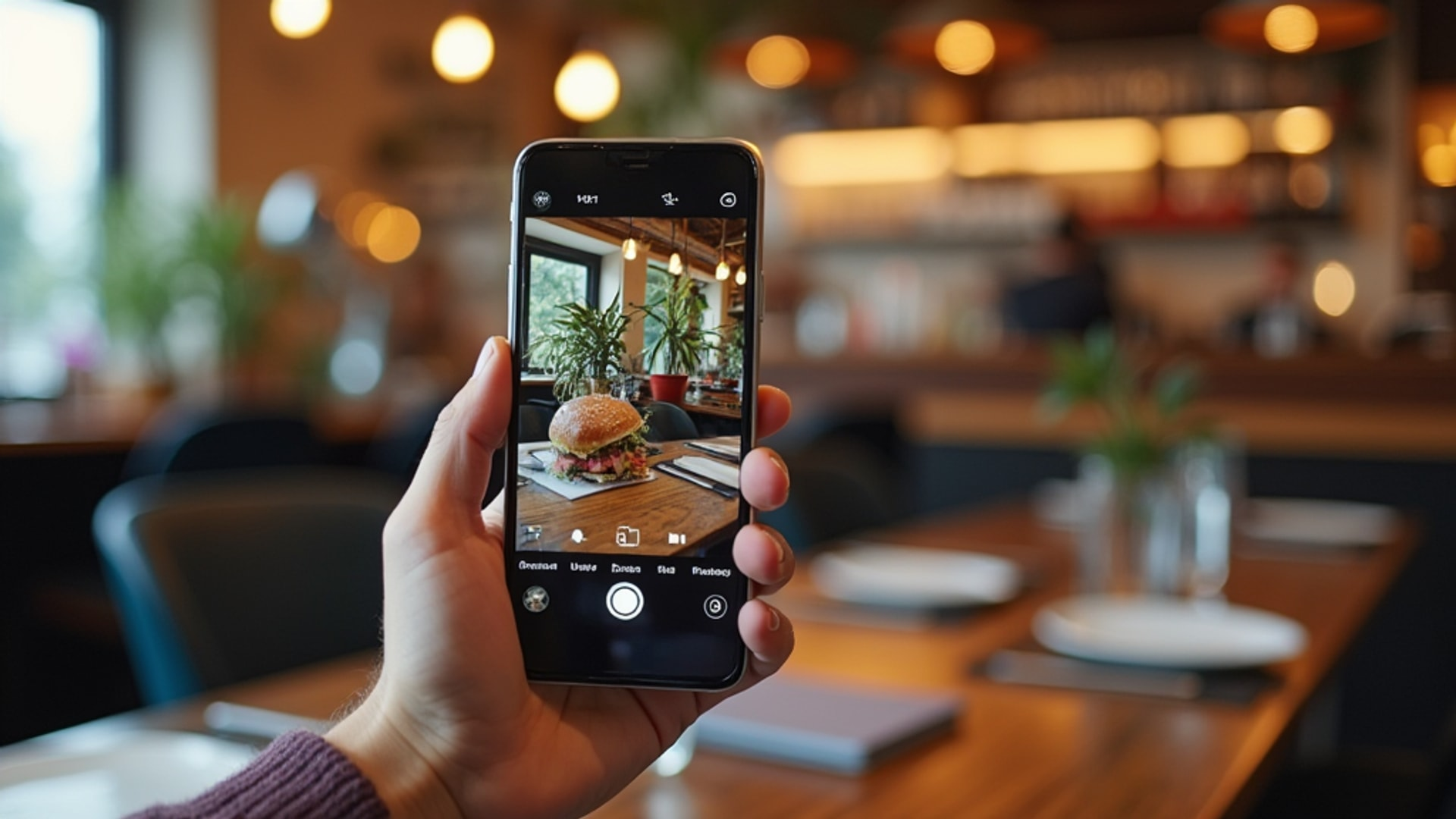
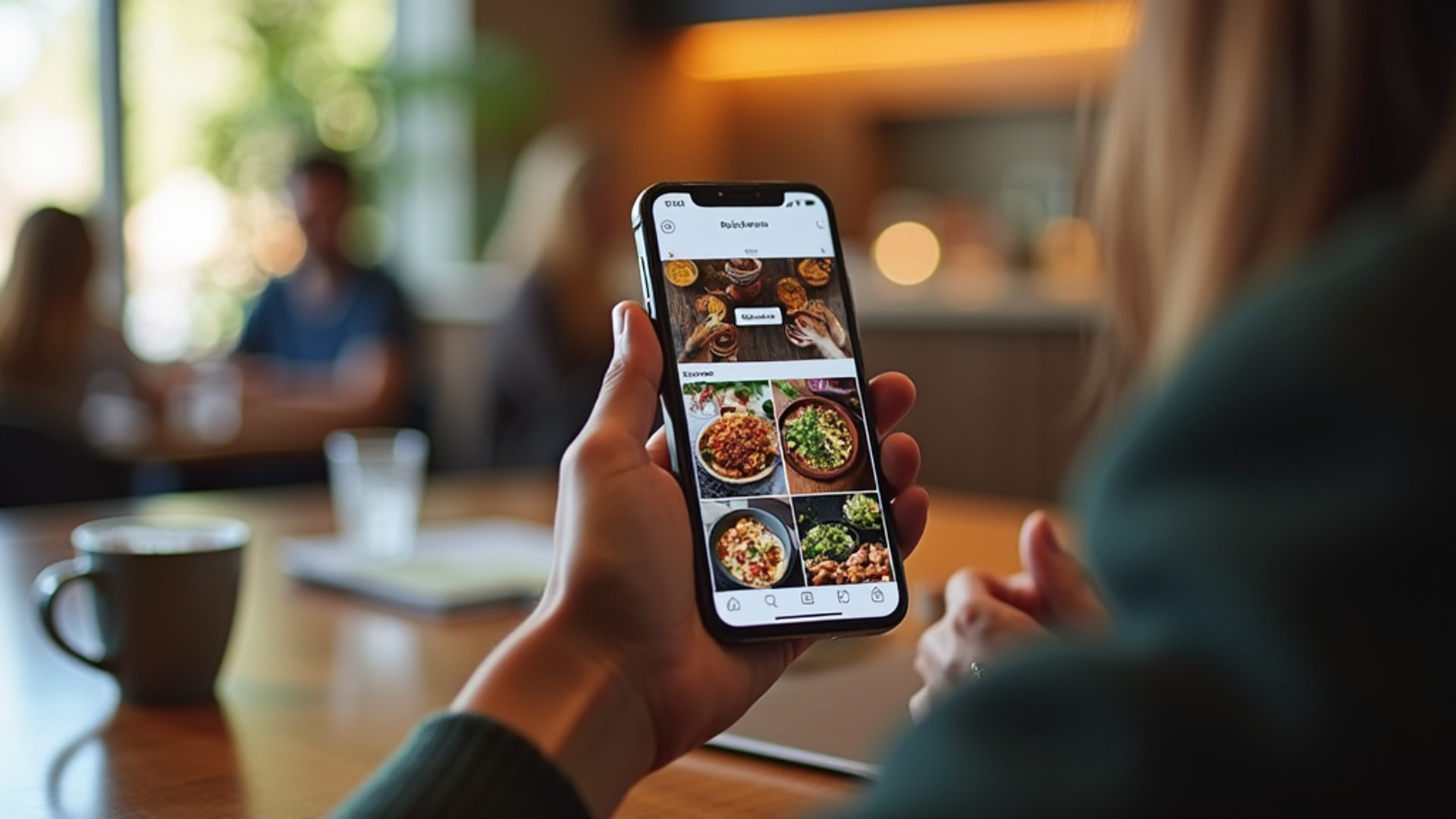
Social media is the first thing 41% of diners check before visiting a restaurant, according to MarketMan’s 2025 industry research. For Gen Z specifically, the numbers are even more pronounced — 55% use Instagram for restaurant research and 44% use TikTok. You are being evaluated before customers ever walk through your door. The question is not whether social media matters. The question is whether your content calendar is disciplined enough to hold up under that scrutiny.
The restaurants that win on social media are not necessarily the ones that post the most creative content. They are the ones that post consistently, plan ahead, and match their content to the rhythm of their actual business. A content calendar is the operational infrastructure that makes consistency possible — without it, social media becomes another thing that gets done when someone has time, which means it rarely gets done well.
The Case for Planning 4-6 Weeks Ahead
ChowNow’s guide on restaurant social media management recommends planning content 4-6 weeks in advance. That horizon might sound excessive until you consider what it actually enables.
Planning six weeks out means your Valentine’s Day content is photographed and scheduled before your team is consumed by Valentine’s Day operations. Your summer menu launch announcement is built out before the menu actually launches, allowing for quality photography, proper caption writing, and coordinated timing across platforms. Your holiday hours post goes out before customers start calling to ask whether you are open.
The alternative — building content the day before it needs to go up — produces visibly lower quality, inconsistent tone, and missed opportunities. A chef plating a dish at 9 AM in bad lighting to get something on Instagram by noon is not the same as a planned photography session the previous week that produced 10 strong assets in good light with thoughtful composition.
ChowNow also notes that a locked calendar needs flexibility built in. Leave approximately 20-30% of your scheduled slots open for spontaneous, timely content. A supplier sends you an extraordinary product that morning? That is content. The kitchen team achieves something special with a new dish? That is content. An employee reaches their one-year anniversary? That is content. The planned calendar provides the backbone; the open slots capture the authentic moments that make the account feel human.
Aligning the Content Calendar with Your Operational Calendar
A social media calendar that runs in isolation from the restaurant’s operational calendar will always feel slightly off. According to ChowNow, the content calendar should map directly to the operational calendar — new menu launches, special events, seasonal shifts, holiday periods, and weekly specials all provide natural content anchors.
Start building your content calendar by populating it with the operational milestones first:
- Menu changes and new item introductions.
- Seasonal transitions (summer menu, holiday menu, etc.).
- Restaurant anniversary and milestone dates.
- Holiday periods — both the promotional opportunities (Valentine’s Day, Mother’s Day) and the operational communications (holiday hours, reservation availability).
- Events the restaurant is hosting or participating in.
- Staff milestones worth celebrating publicly.
Once the operational anchors are in place, the remaining slots fill in around them with recurring content types: behind-the-scenes preparation content, dish showcases, customer highlights, team spotlights, and engagement posts like questions or polls.
Platform Selection: Where to Spend Your Energy
Data from Restroworks provides a clear picture of platform performance that should inform where you invest your content effort.
Facebook remains the most-used platform for restaurant discovery at 59% of diners, making it important for reaching the broadest possible audience, particularly diners over 35. Instagram delivers the highest engagement rates for food content at 2.2% per follower, significantly outperforming cross-industry averages, and dominates among younger demographics. TikTok has rapidly become a restaurant research tool, with 44% of Gen Z users relying on it. YouTube generates the highest absolute view counts, with food and beverage videos averaging over 323,000 views, making it valuable for longer-form content that builds deep brand affinity.
Reels and short-form vertical video earn approximately double the engagement of static image posts across platforms. For most restaurants, this means prioritizing video content production over photography-only content — a strategic shift that requires a slight adjustment in your production habits but dramatically improves performance.
User-generated content converts at four times the rate of professionally produced branded content, according to Restroworks. This makes amplifying customer posts and photos a higher-leverage activity than producing additional branded content. Resharing a customer’s photo of your signature dish — with proper credit — is both free content production and social proof.
Choosing the Right Scheduling Tool
ChowNow reviews the major scheduling platforms used by restaurant operators, each suited to different operation sizes and needs.
Buffer supports scheduling across Facebook, Instagram, TikTok, LinkedIn, YouTube Shorts, Pinterest, and Google Business Profile. It offers a user-friendly interface well-suited to independent operators managing their own social media.
Hootsuite combines scheduling, content creation, analytics, and social listening in one dashboard. Its enterprise-level functionality suits mid-size restaurant groups that need comprehensive monitoring and cross-platform management.
Planable offers four view modes — grid, feed, calendar, and list — providing flexible planning perspectives. Its team collaboration and approval workflow features make it well-suited to operations where the owner or marketing director approves content before it goes live.
SocialPilot works well for operators managing multiple brands from a single dashboard.
Sked Social specifically targets restaurant groups managing multiple location profiles from a unified dashboard, offering features designed for that multi-location context.
The right choice depends on your team size, budget, and workflow. What matters most is that you actually use the tool consistently — a sophisticated platform you log into twice a month is worse than a simple one you use every week.
Batch Content Creation: The Efficiency Multiplier
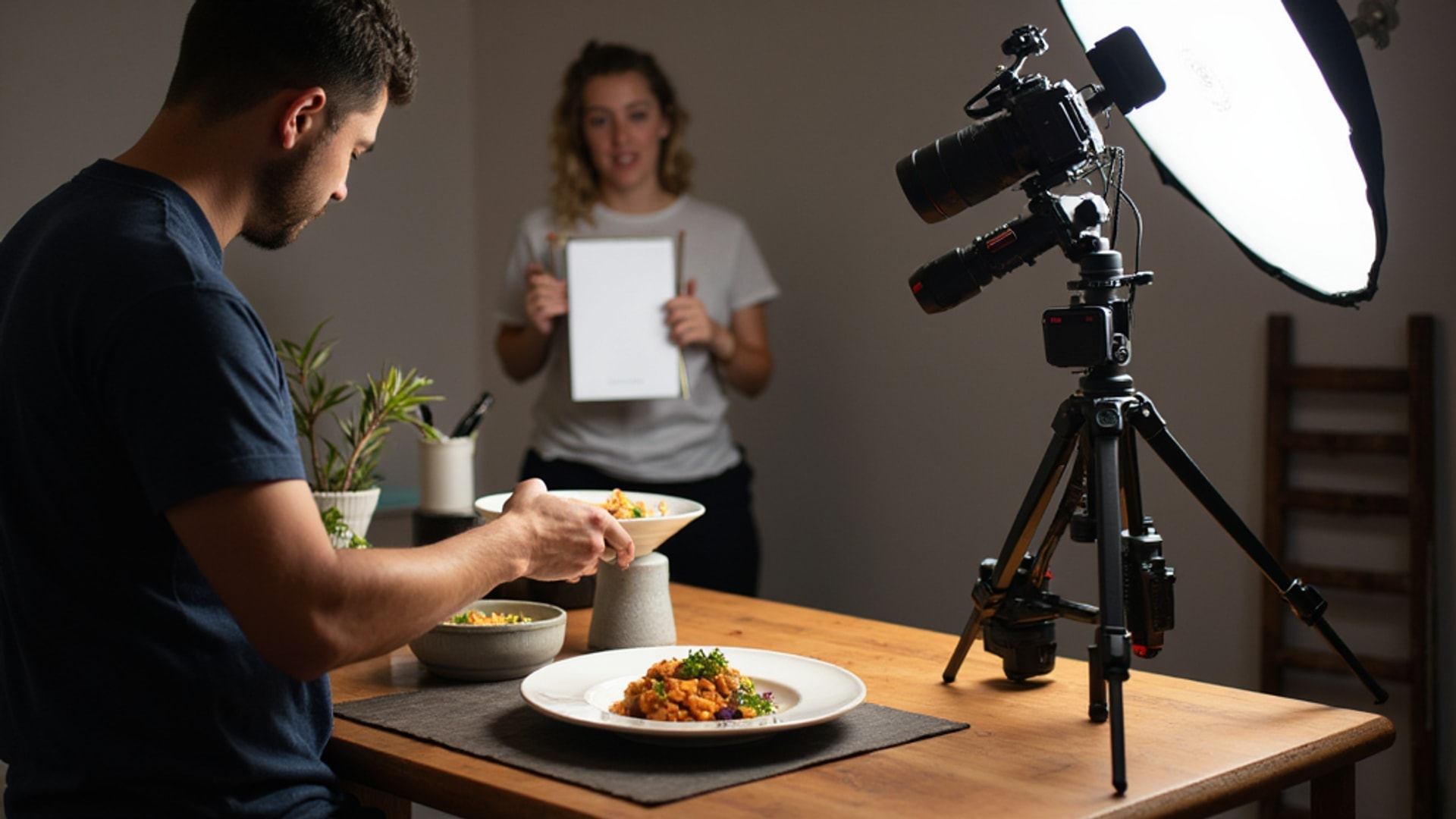
Ad-hoc content creation is inefficient and produces inconsistent quality. ChowNow recommends scheduling dedicated photo and video sessions that capture multiple menu items, preparation processes, and team moments in a single session, producing a library of content assets that can be scheduled across weeks.
A practical batch session for a typical restaurant might run 90 minutes and produce:
- 8-10 dish photos of current menu items.
- 3-4 short video clips of preparation, plating, or presentation.
- 2-3 team photos or behind-the-scenes moments.
- 1-2 atmosphere shots of the dining room or exterior.
That session, conducted once every two to three weeks, can fuel a consistent posting schedule across multiple platforms without requiring daily content production. Coordinate batch sessions around menu changes so your library always reflects current offerings.
Timing Your Posts for Maximum Reach
Restroworks data shows that holiday and weekend posts generate 35% higher engagement than weekday content. Across platforms, the strongest windows for food content are lunchtime (11 AM - 1 PM), dinner (5 PM - 7 PM), and late-evening browsing (8 PM - 10 PM) — when people are actively thinking about food.
CloudKitchens’ TikTok marketing guidance confirms these windows apply across platforms, recommending posts at these three windows for restaurants aiming for 3-5 posts per week.
Most scheduling tools allow you to set automatic optimal posting times based on your account’s historical engagement data. Use this feature once you have at least a month of posting history — the platform’s data about when your specific audience is active is more valuable than any general benchmark.
Measuring What Actually Matters
The metrics worth tracking for restaurant social media are the ones that connect to business outcomes, not just vanity numbers.
Track: follower growth month over month, engagement rate per post, click-throughs to your reservation link or online ordering platform, reach per post, and any direct attribution you can establish between specific campaigns and reservations or orders. Restroworks reports that restaurants saw an average 9.9% increase in business-to-consumer revenue attributable to social media strategies in 2024 — a concrete business case for the investment.
Most scheduling tools include analytics dashboards that report on these metrics automatically. Review them monthly and use the data to identify which content types, posting times, and topics drive the strongest results. Your audience will tell you what they want more of — you just need to be reading the data.
→ Read more: Instagram Marketing for Restaurants: Building a Following That Fills Tables → Read more: TikTok Marketing for Restaurants: Building Viral Momentum → Read more: Video Marketing and Reels: The Short-Form Content Playbook for Restaurants