· Culture & Sustainability · 9 min read
Gen Z Dining Preferences: How the Youngest Consumers Are Reshaping Restaurants
Gen Z treats dining out as a treat but orders delivery weekly, prefers print menus but uses TikTok to choose restaurants — understanding these apparent contradictions is the key to reaching them.
Every generation gets declared the most important one to understand. But there’s a genuine case that Gen Z’s relationship with food and restaurants is different enough from what came before that operators who figure it out early will have a real advantage. Not because Gen Z is mysterious, but because the specific combination of values, behaviors, and contradictions they bring to dining requires a different kind of response than previous generations.
Here’s what the data actually says, and what it means for running a restaurant.
Who We’re Talking About
Generation Z broadly covers those born between the late 1990s and early 2010s. The oldest members are now in their mid-twenties, entering peak spending years. The youngest are still teens. As a consumer cohort, they’re large, growing in economic power, and already decisive about what they like.
According to YouGov’s 2025 reporting, 71 percent of Gen Z consumers plan to dine out more in 2025 than in 2024. That’s an intent signal worth taking seriously. But it comes with context: nearly two-thirds (61 percent) of this same group consider dining out a treat reserved for special occasions rather than an everyday habit. They intend to dine out more while treating it as something special. Both things are true.
The Fast-Casual First Preference
YouGov’s research identifies fast casual as Gen Z’s most popular restaurant type, with a 36 percent preference — higher than any other format. This aligns with the broader fast-casual growth story: higher quality than traditional QSR, faster and less formal than casual dining, typically priced in a range that doesn’t require Gen Z’s currently modest incomes to stretch too far.
But the fast-casual preference doesn’t mean Gen Z is only interested in affordable food. The same cohort demonstrates strong premium intent: they’re willing to pay more for quality, sustainability, and experiences that feel meaningful. The positioning most likely to resonate is “worth it,” not “cheap.”
Delivery Is Non-Negotiable
Sixty-four percent of Gen Z order takeout or delivery weekly or more, according to YouGov. And according to Toast, about two-thirds of Gen Z adults, alongside millennials, say ordering takeout is an essential part of their lifestyle (the strongest language in the survey).
Mobile ordering is the mechanism: 65 percent of Gen Z adults use it. If your restaurant doesn’t have a well-functioning mobile ordering experience (whether through your own app, your website, or the major delivery platforms), you are invisible to a significant portion of this customer cohort for their most frequent dining occasions.
This doesn’t mean delivery is all they care about. Gen Z eats out in person. They visit restaurants with friends. They value the social dimension of dining. But their relationship with delivery is different from older generations who view it as a convenience supplement. For many Gen Z consumers, delivery is a primary way of experiencing restaurants, not an afterthought.
Social Media as the Discovery Engine
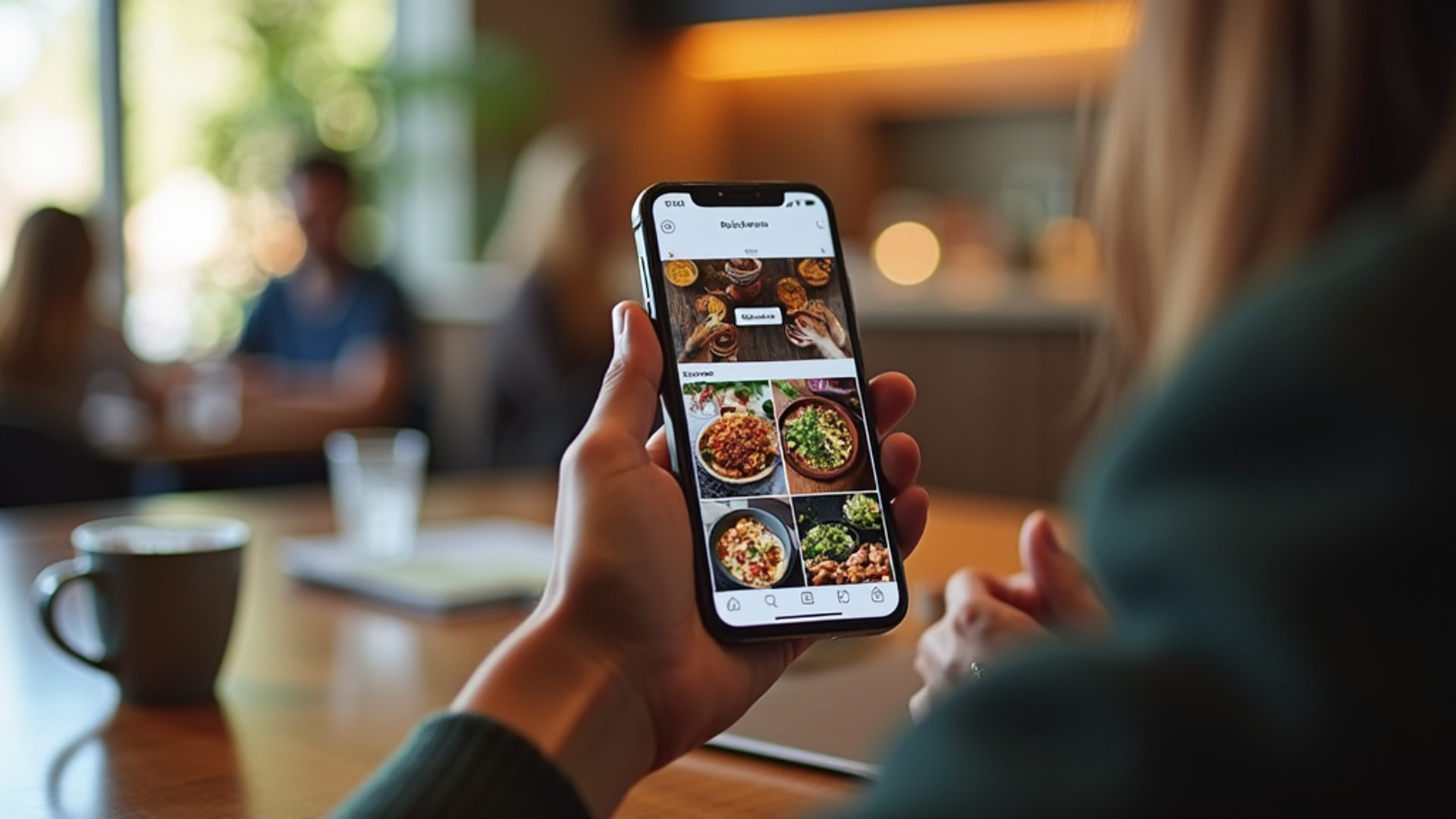
This is where Gen Z diverges most sharply from any previous generation. According to YouGov, 67 percent use social media to choose where to eat, and 48 percent specifically check reviews on Instagram and TikTok. More striking: 52 percent have tried a new restaurant solely because of social media content.
For older generations, restaurant discovery was driven by word-of-mouth from friends and family, professional reviews, geographic proximity, or advertising. For Gen Z, the discovery process is heavily mediated by social content: primarily visual, increasingly video, driven by peer creators rather than professional critics.
The practical implication is that a restaurant that produces extraordinary food but makes no effort to be socially visible is effectively invisible to a large portion of this generation. Your dishes need to be photogenic. Your space needs to be photographable. Your story needs to be tellable in thirty seconds of video.
This doesn’t require a social media team or a TikTok strategy. It requires thinking about your restaurant from the perspective of what someone would want to share. Some operators have found that leaning into a single extraordinary dish (something dramatic, unusually beautiful, or genuinely novel) generates organic social sharing that no advertising budget could replicate.
The Print Menu Paradox
Here’s the contradiction that has surprised researchers: despite being digital natives who use phones to discover restaurants and order delivery, approximately 90 percent of Gen Z prefer physical menus when dining in, up from 69 percent the year prior, according to Toast’s data. This has significant implications for the QR code and digital menu debate.
This finding has been interpreted multiple ways. One explanation is that physical menus are part of the dining-out experience that Gen Z treats as a treat. When you’re out at a restaurant, the tactile ritual of holding a menu is part of the occasion. Another interpretation is that Gen Z uses their phones for discovery and connection before arriving, and at the table, they want to be present rather than buried in another screen.
Either way, operators who eliminated physical menus during the pandemic and replaced them with QR codes alone may be creating friction with exactly the demographic they most want to attract. A well-designed physical menu isn’t nostalgia. It’s the expected format.
Flavor Adventure and the Culinary Curiosity Quotient
Nearly three in four Gen Z consumers (73 percent) say they like to try new cuisines, according to Toast and YouGov’s combined research. This is significantly higher than older generations and has material implications for menu development.
The flavor profiles driving Gen Z interest cluster around what the industry has been calling “swicy” (sweet and spicy), “swalty” (sweet and salty), and “newstalgic” (nostalgic formats with unexpected twists). These aren’t random preferences — they reflect a generation that has grown up with more global food exposure than any previous cohort, whether through social media food content, delivery apps offering every cuisine imaginable, or simply more diverse communities in the markets they grew up in.
This appetite for culinary adventure doesn’t mean every menu needs to be aggressively experimental. But it does mean that Gen Z is not threatened by unfamiliar ingredients, bold flavor combinations, or global influences. The baseline expectations for interesting food are higher with this generation than with their parents at the same age.
Values in the Dining Room
The values that Gen Z brings to other purchasing decisions (sustainability, ethical sourcing, labor treatment, social equity) carry over into restaurant choices. YouGov’s research is direct: Gen Z customers are more likely to support businesses that align with their social and ethical beliefs. They actively seek restaurants that prioritize sustainability and local sourcing.
This is not primarily a marketing phenomenon. Gen Z can identify performative sustainability claims quickly, and nothing alienates them faster than discovering that values-forward marketing doesn’t reflect operational reality. The brands winning Gen Z loyalty on values grounds are typically doing the actual work: sourcing locally, paying fair wages, reducing waste, and being transparent about where they fall short.
The wellness dimension is worth specific attention. Gen Z associates health holistically, connecting food with mental as well as physical wellbeing. This doesn’t necessarily mean healthy menu options in the traditional low-calorie sense. It means food that feels good, that comes from somewhere you can feel good about, and that fits into a lifestyle orientation toward wellbeing. That’s a different brief than “add a salad.”

Cost Consciousness Without Cheapness
Gen Z is economically constrained by most measures: student debt, housing costs, entry-level wages. They have developed creative strategies for managing restaurant spending. YouGov notes that this cohort shares entrees, orders appetizers or kids meals to manage costs, and looks for ways to have the restaurant experience without the full bill.
Twenty-three percent say faster service would encourage more eating out. They’re managing their time, not just their money.
The opportunity here is in value perception, not necessarily value pricing. A restaurant where Gen Z can come in for a couple of small plates and a non-alcoholic drink and feel like they’ve had a genuine experience, not a diminished version of the full thing, captures this cohort far more effectively than a restaurant that only works as a full dinner commitment.
The Communal Dining Appetite
YouGov’s finding that 90 percent of Gen Z like communal dining tables that facilitate conversation with strangers may seem surprising in a generation often characterized as individualistic and phone-addicted. But it aligns with a broader picture of a cohort that has grown up with social media as a substitute for physical community and is actively seeking real-world social connection through the experiences they choose.
For operators, communal seating and formats that encourage social interaction (shared plates, counter seating, communal tables) aren’t just space-efficient. They’re format signals that tell Gen Z this is a place where social experience, not private dining, is the point.
Looking Ahead: Gen Alpha on the Horizon
While Gen Z is the immediate priority, the generation behind them, Gen Alpha (born between 2011 and 2024), is already influencing family dining decisions. Datassential’s research projects Gen Alpha will command $12 trillion in spending power by 2030. They’re growing up with even more global food exposure, bolder palate expectations, and deeper digital-native characteristics than Gen Z.
The operators building genuine relationships with Gen Z now, through authenticity on values, boldness on menu, and seamlessness on digital, are building the muscles that will matter even more when Gen Alpha comes into their own.
The Practical Summary
If you’re trying to design a restaurant for Gen Z relevance, the key tensions to hold simultaneously are:
Digital discovery paired with physical presence. They find you online, they want a real experience when they arrive.
Flexibility paired with quality. They may order a few small items rather than a full meal, but they want those items to be genuinely excellent.
Values paired with authenticity. They care about ethics and sustainability, but only if it’s real.
Adventure paired with comfort. They want to try new things, but within a format (fast-casual, small plates, familiar service styles) that feels accessible.
Understanding Gen Z isn’t about chasing trends. It’s about recognizing that the combination of factors shaping this generation’s relationship with food (economic pressure, global cultural exposure, digital nativeness, genuine values concerns, hunger for real social connection) creates a clear picture of what a restaurant that earns their loyalty looks like.
-> Read more: Solo Dining: The Rise of the Single-Seat Guest
-> Read more: Food Trends and Menu Innovation