· Menu & Food · 9 min read
Dessert Menu Engineering: High-Margin Opportunities Most Restaurants Miss
How to build a dessert program that consistently hits 65%+ margins through smart item selection, shareable formats, dietary inclusivity, and waste-reduction menu design.

Sixty percent of restaurant operators say desserts help drive profit, according to DoorDash Merchant research. Yet walk into most restaurants and the dessert menu is an afterthought — a small laminated card, three options, presented with minimal enthusiasm at the end of a meal. The gap between the profit potential and the typical execution is one of the clearest missed opportunities in restaurant operations.
Desserts sit in a unique position on the menu. They have lower food costs than proteins, simpler prep requirements for the best-performing items, and pricing that customers accept because the indulgence is expected. The challenge is not finding the margin — it’s building a program that captures it consistently.
The Economics of Dessert
Most menu items target 35-40% gross profit margin. Desserts can routinely exceed this benchmark when the program is designed correctly. The reason is ingredient cost: the highest-margin desserts use relatively inexpensive, shelf-stable ingredients (sugar, flour, dairy, eggs, chocolate) compared to the proteins and fresh produce that drive costs on entree menus.
DoorDash Merchant identifies the highest-margin dessert category: simple preparations requiring minimal per-order labor. Cookies, brownies, cupcakes, and ice cream servings top the list. Cookies, in particular, achieve the highest revenue and margins among all dessert types because they can be batch-produced efficiently, have long shelf lives within service, travel well for takeout and delivery, and carry extremely low food cost percentages.
The trade-off is that simple desserts require discipline to position as premium. A cookie at $4 generates excellent margin but may not read as a destination-worthy finish to a meal. The solution is presentation, naming, and accompaniment design — a “brown butter chocolate chip cookie, warm from the oven, with housemade sea salt caramel for dipping” commands $8-10 and delivers the same or stronger margin per item.
The Pricing Ceiling: Know Where It Is
The most important constraint on dessert pricing is the relationship to entree prices. DoorDash Merchant’s research is clear: when desserts exceed 40-50% of the main course price point, sales decline sharply.
At a restaurant where entrees average $25, desserts should stay at or below $12. At a $35 average entree price, $15-17 is the ceiling. Exceeding this ratio triggers a psychological response — the dessert “feels expensive” relative to the overall meal context, and customers skip it.
This ceiling has important implications for dessert design. Operators who invest in expensive dessert ingredients (specialty chocolate, rare fruits, elaborate garnishes) may create beautiful dishes but price themselves out of the conversion range. The most profitable dessert programs focus on high-margin simplicity, not culinary complexity.
Work the math before adding new desserts: if your mains run $22, your dessert ceiling is $10-11. Design backward from that price point to a food cost target of 20-25%, and you’ll know exactly which ingredients and preparation methods keep you in range.
What Actually Sells: Trend Data for 2025
Understanding which desserts the market is responding to helps operators allocate development resources. DoorDash Merchant identifies several trend areas for 2025:
Global dessert varieties. Items like churros, pot de creme, mochi, and halwa are gaining rapid traction on US restaurant menus. The Culinary Institute of America has published research on how global dessert traditions are reshaping American menus. These items benefit from novelty appeal — customers who are curious about unfamiliar desserts are more likely to convert — while using relatively affordable ingredients. Churros, for example, are inexpensive to produce (fried dough with spiced sugar) and can be plated as a premium dessert with chocolate dipping sauce and ice cream accompaniment.
Dessert boards. Especially for events and celebratory dining, shareable dessert boards are growing. A curated selection of small bites — two cookies, a brownie square, two small pastries, a scoop of house ice cream — presented on a board at $18-24 for the table allows customers who are individually too full to have “just a taste” to share dessert. Shareable formats address one of the primary reasons customers decline dessert: individual appetite limitation. When dessert is framed as a table experience rather than a solo commitment, the conversion rate improves.
Plant-based, gluten-free, and dairy-free options. The dietary inclusivity trend has reached desserts. DoorDash Merchant identifies this as a significant growth category: dessert options accessible to a wider range of dietary preferences, consistent with guidance from the Food Allergy Research & Education (FARE) organization, expand the addressable market by including customers who would otherwise skip the dessert course entirely. A restaurant without dairy-free dessert options loses every conversion opportunity with the estimated 6-8% of customers who are lactose intolerant or dairy-free by choice.
Smaller portions and “just a bite” formats. As GLP-1 weight loss medications become more prevalent, some customer segments are reducing their consumption of add-on items. Smaller dessert portions, half-servings, or “tasting” formats at proportionally lower prices may capture sales from customers who would skip a full dessert but will try a small one.
Building the Dessert Menu: Size and Structure
The dessert menu should be short — three to five items is optimal for most full-service formats. More than five options creates decision paralysis and dilutes focus from your most profitable items.
The structure should serve multiple customer types:
One signature dessert. This is your featured item — the dessert your restaurant is known for. It should be visually distinctive, easy to describe enthusiastically, and profitable. It should appear first and prominently. For DoorDash Merchant, shareable formats work well here because they encourage table-wide ordering.
One classic. A recognizable format that requires no explanation — chocolate lava cake, cheesecake, crème brûlée — provides a safe choice for risk-averse customers. Classic desserts have strong conversion rates because customers know what they’re ordering.
One lighter option. Sorbet, fresh fruit, or a simple mousse provides a low-commitment entry point for customers who are not committed to full dessert but can be converted with a small, perceived-light option. This also serves dietary restrictions without requiring a separate menu section.
One shareable (optional). If your service model supports it, a shareable dessert board or platter serves tables looking for a communal finish to the meal.
One seasonal rotation. Seasonal desserts create a reason for regulars to try something new and align with the seasonal menu development approach discussed elsewhere.
→ Read more: Menu Engineering: A Data-Driven System to Boost Restaurant Profits by 10-15%
Dessert and Food Waste: The Cross-Category Opportunity
The National Restaurant Association’s food waste engineering framework identifies specific applications for desserts in waste-reduction menu design. Designing desserts that use trim and surplus from savory production is one of the highest-leverage waste reduction strategies available.
Vegetable and fruit stems that would otherwise be discarded can be used in dessert syrups and compotes. Over-ripe fruit that cannot be served fresh is ideal for tarts, jams, and baked preparations. Bread that has passed its service window can become bread pudding. Surplus cream or milk becomes panna cotta, ice cream base, or pastry cream.
The NRA documents a specific example relevant to the dessert category: one Portland tavern converted complimentary bread service to a paid menu item, saving 65 pounds of butter and 90 pounds of bread dough monthly while projecting $5,000 in additional annual revenue. The same logic applies to desserts: building programs around ingredients that are already in the kitchen (or that can be used across multiple menu categories) reduces net ingredient cost while creating revenue.
This approach requires intentional menu design. When the kitchen carries specific ingredients for multiple uses — a berry that appears in a salad, as a sauce garnish on a protein, and in a dessert tart — the purchasing efficiency improves and the spoilage risk decreases.
The NRA identifies designing menus with overlapping ingredients as a key waste-reduction strategy, and the dessert menu is one of the most fertile areas for implementing it.
Dessert Service: Converting the “No Thanks”
Up to 30% of customers who initially decline dessert can be converted with the right approach. The server’s presentation matters as much as the menu itself.
Best practices for dessert conversion:
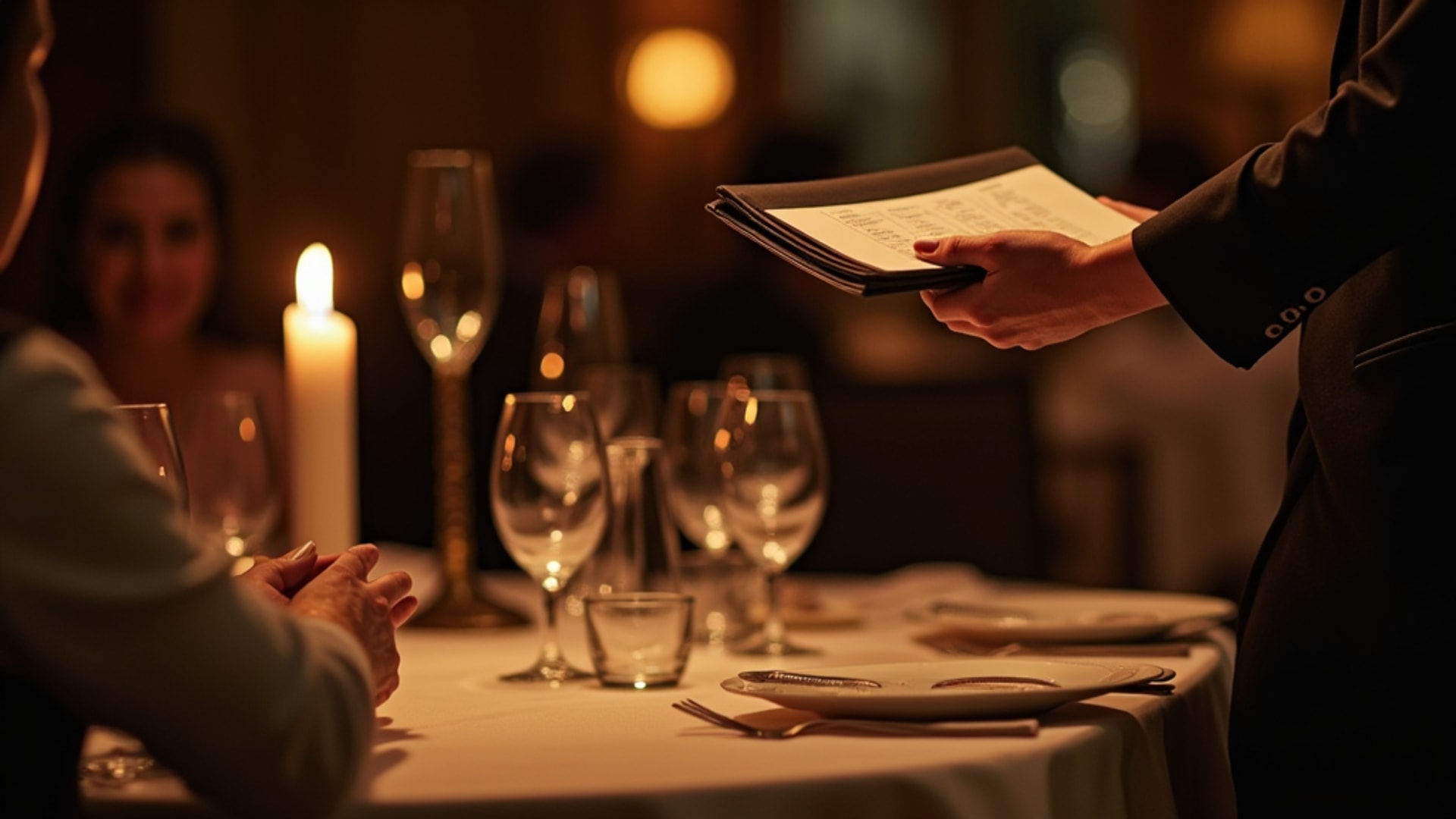
Present the menu visually. Handing a dessert menu — or better, showing a photo of the signature dessert — is more effective than verbally describing options. Visual presentation triggers appetite responses that verbal description cannot match.
Suggest sharing. “Would you like to share something sweet to finish?” removes the individual commitment barrier and frames dessert as a light, social addition rather than a full course.
Time the ask correctly. Dessert should be presented after the plates are cleared but before customers have fully mentally “closed out” the meal. Too early feels rushed; too late, after the check has been requested, feels like an intrusion.
Train servers on one or two dessert stories. A server who can say “Our warm brown butter cookie is the thing we get the most requests for — it comes with house sea salt caramel for dipping” has a narrative to work with. A server who says “Do you want dessert?” and reads the options from a card is not selling.
DoorDash Merchant notes that 60% of operators say desserts help drive profit, but this percentage likely reflects the operators who have built structured dessert programs rather than those treating desserts as afterthoughts. The commercial opportunity is there; capturing it requires operational commitment proportional to the effort applied to every other part of the menu.
Delivery Desserts: An Underutilized Channel
Desserts that travel well are particularly valuable in the delivery context because they are often incremental add-on orders. According to DoorDash Merchant, highest-margin desserts — cookies, brownies, cupcakes, ice cream servings — perform well in delivery because they don’t degrade significantly in transit.
On delivery platforms, desserts should be positioned at the top or bottom of the ordering interface (prime placement), photographed individually and attractively, and named with specificity (“Double chocolate fudge brownie, served warm” rather than “Brownie”). A compelling dessert photo in a delivery app can drive add-on orders from customers who weren’t planning to order dessert when they opened the app.
Consider dessert-only offerings for delivery — a “cookie box” or “dessert pack” that positions the restaurant as a dessert destination, not just a dinner option. This creates a new use case and a new customer segment at minimal operational cost, since the items are already being produced for dine-in service.
→ Read more: Takeout and Delivery Menu Optimization: Designing for Off-Premise Success → Read more: Cross-Selling Through Menu Design: Techniques That Lift Average Check