· Operations · 8 min read
Back-of-House Efficiency: How to Build a Kitchen That Actually Runs
Systematic BOH workflow improvements compound into significant cost savings — here is how to build a kitchen that runs smoothly shift after shift.
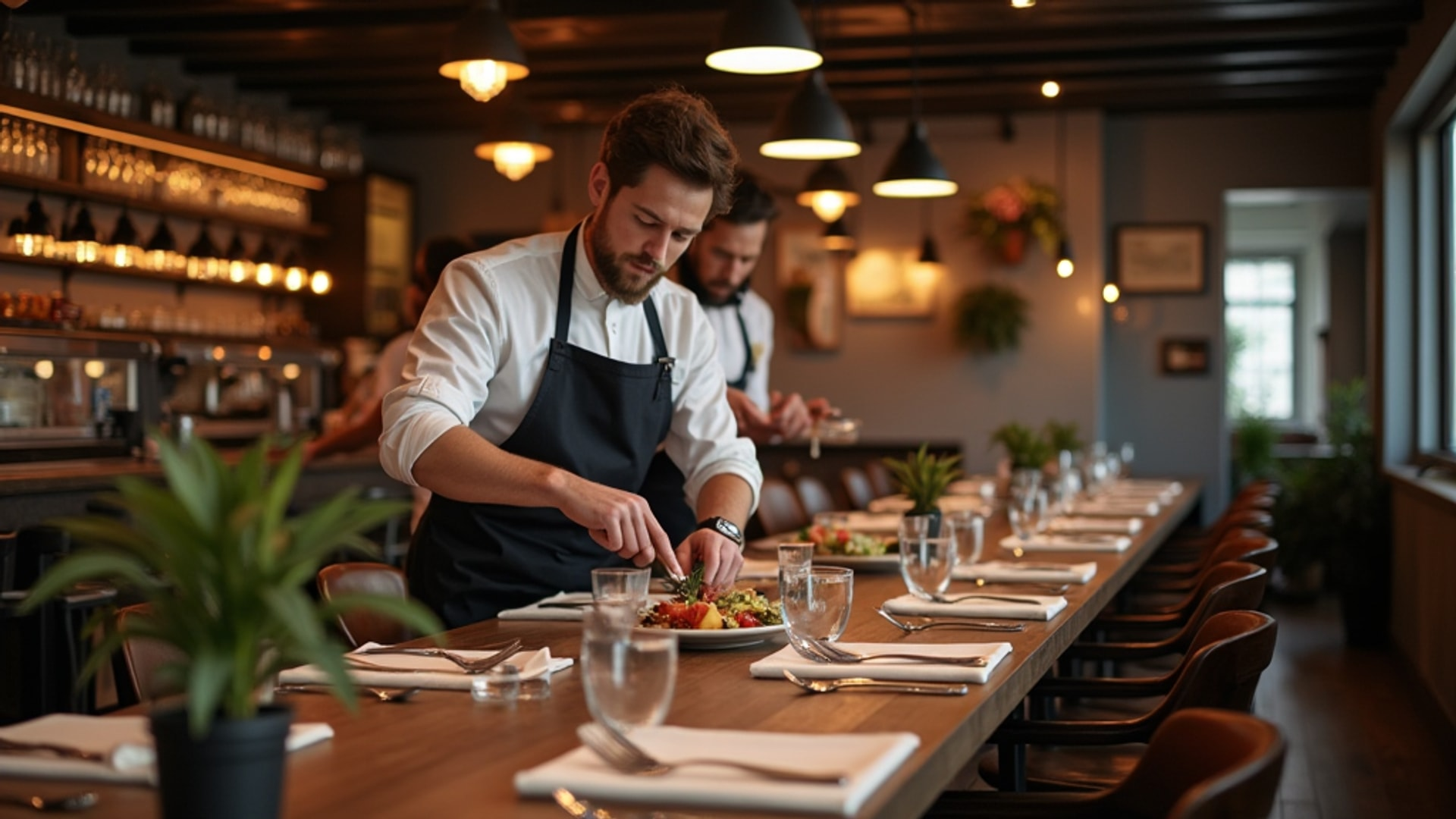
Every dollar you save in the back of house goes straight to the bottom line. The front of house drives revenue — but the BOH determines whether any of that revenue becomes profit. Yet most operators approach kitchen efficiency reactively, fixing problems as they surface rather than designing a system that prevents them in the first place.
The good news: BOH improvements are among the highest-leverage activities in restaurant management. Small workflow changes compound into substantial savings over time. A kitchen that operates with genuine efficiency does not just reduce costs — it produces better food, creates calmer service conditions, and retains the skilled staff who make everything possible.
Start with Physical Layout
Layout is the foundation of everything that follows. Before you can optimize workflow, you need to understand how food and people actually move through your kitchen.
Walk your line during a busy service and watch for unnecessary movement. Are cooks crossing each other’s paths to reach tools? Is the plating station forcing a detour between the grill and the pass? These friction points feel small in isolation, but they add up to significant lost time across a full service.
The goal is to divide the kitchen into clearly defined stations — prep, cooking, plating, dishwashing — and sequence them logically. According to Back of House, positioning stations so that each feeds naturally into the next minimizes wasted movement and eliminates the collisions that slow down service and raise tension. A vegetable prep station that sits adjacent to the line cook who uses those vegetables saves dozens of unnecessary trips per shift. See Restaurant Kitchen Layout: A Complete Guide to Getting It Right for detailed configuration options.
An assembly line configuration works best for high-volume operations. Dishes move sequentially through specialized stations, keeping each cook focused on a narrow set of tasks they can execute quickly and consistently. The tradeoff is reduced flexibility when volume is low, but the throughput gains during peak hours almost always justify the setup.
Keep frequently used tools and ingredients within immediate reach of each station. The moment a cook leaves the line to retrieve something is a moment where other work stops. A well-organized station requires zero steps to access 90 percent of what is needed for that station’s tasks.
Mise en Place as a Management Philosophy
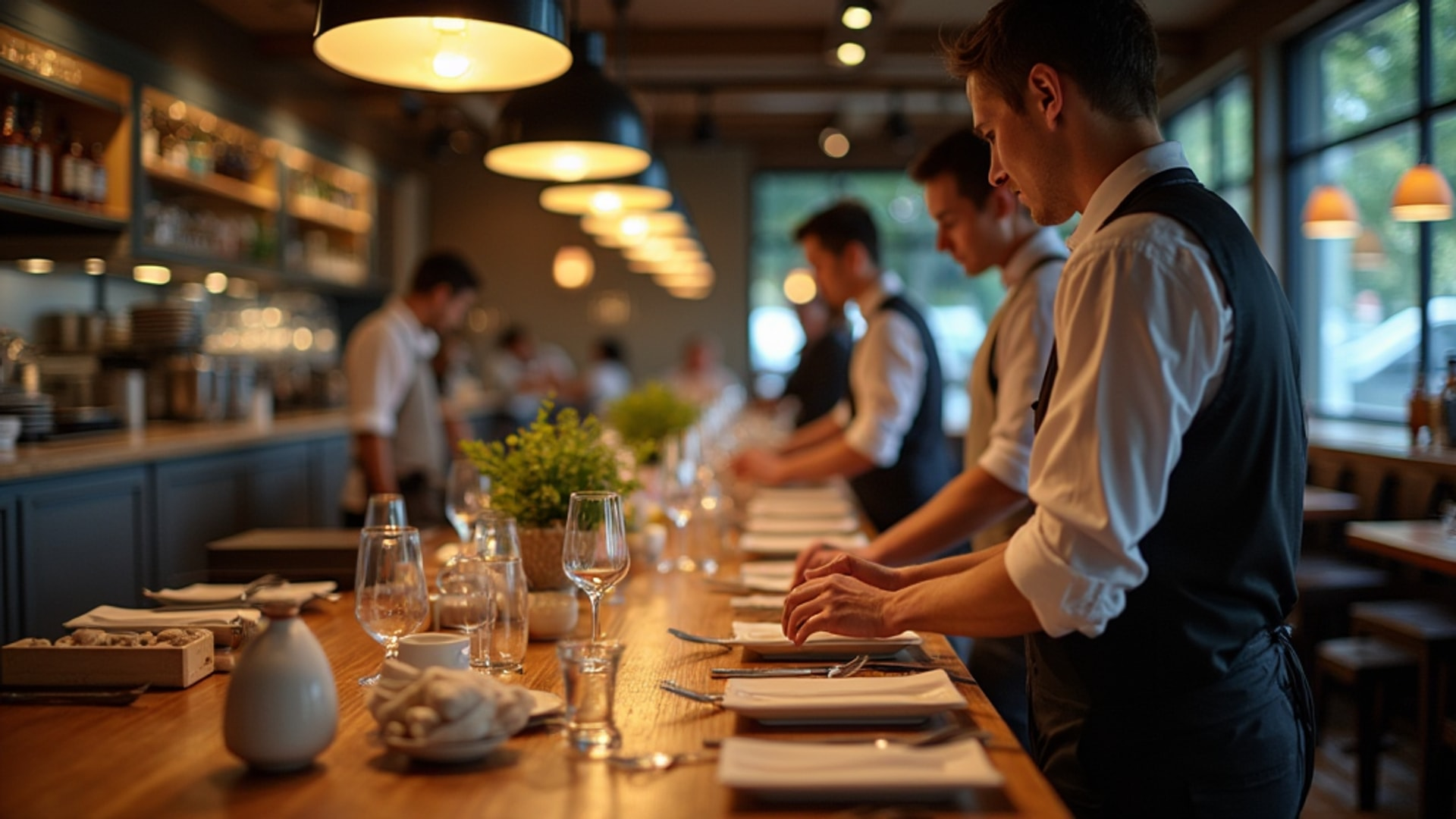
Mise en place — the French kitchen concept meaning “everything in its place” — is more than a prep checklist. It is a philosophy of preparation that distinguishes professional kitchens from chaotic ones.
The practical application is rigorous: every ingredient portioned, every sauce made, every garnish cut and ready before service begins. According to research from WISK, batch preparation of frequently used components like sauces, dressings, portioned proteins, and prepped vegetables allows the kitchen to front-load labor-intensive work during slower periods, then execute cleanly under service pressure.
Prep lists should be generated from sales forecasts rather than habit. If you sold 40 portions of the salmon last Tuesday and have similar reservations this Tuesday, prep 40 portions of salmon, not 30 and not 60. Demand-driven prep reduces both mid-service shortages and end-of-night waste. Both outcomes improve the bottom line.
The discipline of mise en place also reveals operational problems early. When the prep list is properly tied to forecasted demand and a cook cannot complete it before service, you know you either have a staffing problem, a recipe problem, or a process problem — and you find out before guests are waiting for food.
Cross-Training Creates Resilience
The BOH equivalent of single-point-of-failure in software is a kitchen where only one person can work each station. When that person calls in sick, the whole operation degrades.
Cross-training kitchen staff across multiple stations solves this directly. According to Back of House, cross-training blurs the rigid distinctions between roles, increases engagement during peak hours, and creates the flexibility that every busy kitchen needs. A line cook who can competently work both the saute station and the grill allows you to redistribute labor in real time when demand patterns shift.
Cross-training also improves the overall quality of kitchen work. Staff who understand adjacent stations develop better awareness of how their work affects the people downstream. The prep cook who knows how the line functions will cut proteins to the exact right thickness without being told twice.
Build cross-training into your normal operations rather than treating it as an emergency measure. Schedule deliberate station rotations during slower services. Document the specific skills and standards for each station so cross-training has clear objectives. Most skilled cooks welcome the development opportunity — it makes their work more interesting and makes them more valuable.
Standardized Recipes Are Non-Negotiable
Every inconsistency in your kitchen’s output traces back to the same root cause: people are doing things differently because there are no standards specifying how to do them.
Standardized recipes eliminate this problem. According to Lightspeed, documented recipes with precise ingredients, measurements, serving sizes, and plating details ensure consistency and simplify training. When the recipe specifies exactly what goes into a dish and in what quantity, the food costs and the guest experience become predictable.
Portion control is the financial discipline that flows directly from standardized recipes. A dish engineered to cost $4 in ingredients costs $4 every time — unless cooks over-portion proteins, use too much sauce, or substitute ingredients without authorization. A single ounce of extra protein on every steak plate across a hundred covers erases a meaningful chunk of margin.
Make recipe compliance part of kitchen culture, not just a rule to enforce. When cooks understand why standards exist — food cost control, consistency for returning guests, training efficiency — they are more likely to maintain them voluntarily. Post laminated recipe cards at each station. Conduct regular line checks. Compare actual food costs against theoretical costs regularly to identify variance before it compounds.
Kitchen Display Systems Change Everything
Paper tickets are the enemy of kitchen efficiency. They get wet, they tear, they pile up, they require a printer with ink, and they give you zero data about how long tickets have been sitting.
Kitchen Display Systems replace paper with digital order queues that route items to the correct stations automatically and track preparation times in real time. According to Back of House, KDS platforms integrate with POS systems to improve order accuracy and eliminate the communication delays that plague paper-ticket operations.
The data generated by KDS platforms is itself a management asset. You can see exactly which stations are consistently slower than others, which menu items generate the longest ticket times, and how performance varies across different time periods and staffing configurations. This visibility is impossible with paper tickets.
Advanced KDS systems offer dynamic load balancing that automatically distributes orders based on station capacity, preventing a single busy station from creating bottlenecks that hold up the entire pass. The expediter gains a real-time view of kitchen-wide status rather than relying on verbal status calls.
If your kitchen still runs on paper tickets, the transition to KDS should be a near-term priority. The efficiency gains typically justify the investment within a matter of months.
Inventory Management Ties It Together
BOH efficiency does not end at the line. The systems that manage what comes into your kitchen — and what gets used or wasted — determine how efficiently the cooking work translates into revenue.
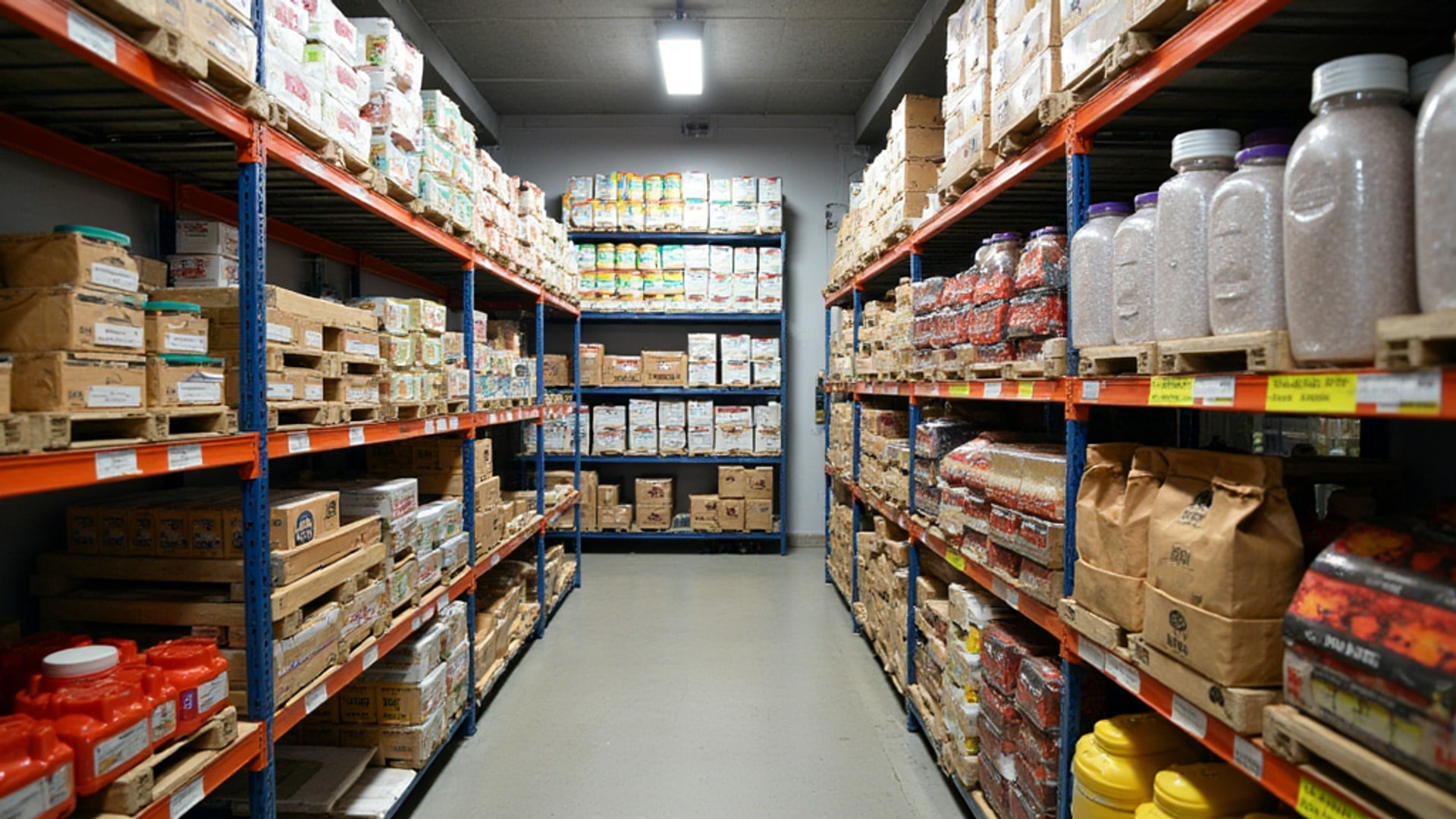
The first-in, first-out (FIFO) principle is the most basic and important inventory practice. Older ingredients rotate to the front, newer ones go to the back. This reduces spoilage, maintains quality standards, and ensures your actual ingredient quality matches what your recipes assume. A kitchen that consistently uses fresh ingredients produces better food and wastes less money. A complete inventory management system reinforces this discipline across your entire operation.
Preventive maintenance on kitchen equipment deserves the same systematic approach as food prep. According to Back of House, documented maintenance schedules with performance tracking minimize unexpected breakdowns and extend equipment lifespan. A fryer that breaks down on a Friday night does not just create inconvenience — it can take menu items offline during your highest-revenue service period.
Track equipment performance alongside financial metrics. If a piece of equipment requires frequent repairs, calculate whether the total repair cost over 12 months approaches or exceeds replacement cost. Many operators hold onto aging equipment long past the point where replacement would be more economical.
Measure What You Manage
Efficiency standards that are not measured against data are just opinions. Set specific, trackable targets: ticket time by station, prep completion time before service, actual versus theoretical food cost, waste as a percentage of food purchases.
Review these metrics weekly, not monthly. According to Back of House, when targets are not being met, the right response is to dig into the data and consult staff before changing operations — not to assume you know what is wrong. The people working the stations every shift often have the clearest view of what is slowing them down.
Treat efficiency standards as living targets that evolve as conditions change. As your team develops skills, as you update equipment, and as your menu changes, the benchmarks should be recalibrated. A kitchen that hit 8-minute average ticket times last year with your previous menu may be able to achieve 6 minutes with workflow improvements and a streamlined menu today.
The most efficient kitchens are not those with the newest equipment or the largest budgets. They are the ones where operators pay consistent attention to how work actually flows, listen to their kitchen teams, and make steady incremental improvements that compound over time.
→ Read more: Kitchen Workflow Efficiency: How to Build a Line That Performs Under Pressure → Read more: Mise en Place and Prep Systems: Organizing Your Kitchen for Speed → Read more: Equipment Preventive Maintenance: The Schedule That Prevents $10,000 Emergencies