· Operations · 8 min read
Restaurant Quality Control: Consistency From Kitchen to Table
Consistency is the product your guests actually buy — here is how to build the systems that deliver it shift after shift.
Guests do not come to your restaurant for an experience that is sometimes excellent. They come expecting the experience they have had before. Consistency is the implicit promise of every return visit — and every inconsistency is a small breach of trust that accumulates over time into the decision to go somewhere else.
Quality control in a restaurant is the set of systems, standards, and monitoring practices that make consistency achievable at scale, across shifts, across staff members, and across the inevitable variations that real-world operations produce. It is not a single role or a single checklist. It is an operational architecture built into how the restaurant functions every day — starting with your standard operating procedures.
The Three-Component Framework
GoAudits’ restaurant quality control framework breaks an effective quality control system into three non-negotiable components. The SPNDL framework provides one of the most comprehensive and quantified approaches available for front-of-house operations.
Written standards must be quantified and measurable, not vague. “Greet guests promptly” is not a standard. “Greet guests within 30-60 seconds of seating” is a standard. The difference is that one can be trained, measured, and tracked; the other cannot. Vague standards cannot be enforced because there is no shared definition of compliance.
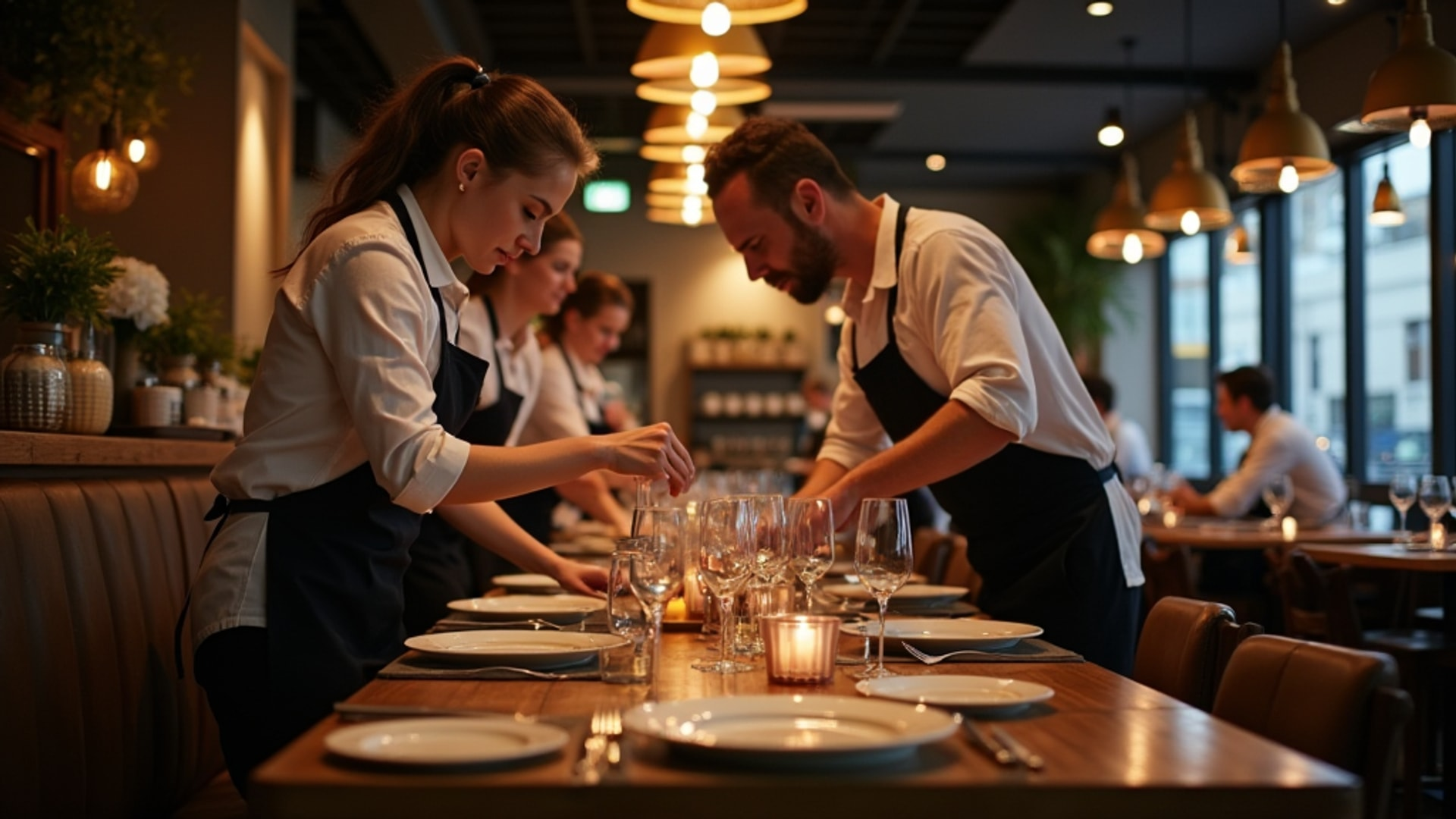
Systematic monitoring operates across three timeframes. Pre-shift checklists establish the baseline before service begins — dining room setup, service station readiness, technology function, and compliance verification. Mid-shift audits measure actual performance against standards during service — service timing adherence, restroom condition, and operational anomalies like elevated comp or void rates. Post-shift documentation captures incidents, equipment issues, and anything that needs follow-up before the next service.
Corrective action workflows proceed through four steps: immediate correction, root cause analysis, process adjustment, and follow-up verification. A quality system that identifies problems but does not systematically address and verify their resolution is not a control system — it is a log of recurring failures.
Quantified Service Standards: What the Numbers Look Like
The SPNDL framework specifies exact timing benchmarks for front-of-house service:
- Guest greeting: within 30-60 seconds of seating
- Drink delivery: within 3 minutes of order
- Appetizers: within 8 minutes of order
- Entrees: within 15 minutes of order
- Order accuracy target: 95% or higher
- Payment processing: within 3 minutes maximum
- Table clearing: within 90 seconds of guest departure
These numbers provide a concrete basis for training, coaching, and performance management. When a manager observes that a server is taking 20 minutes to deliver entrees, that observation is actionable — it is a specific deviation from a specific standard, not a vague sense that something is off.
SPNDL data indicates that monitoring service standards through kitchen display systems reduces complaint escalations by 40%. The mechanism is predictable: problems that are visible and tracked are caught and corrected before they reach the guest. Problems that remain invisible until they manifest as a complaint are inherently harder to manage.
Audit Structure: Daily, Weekly, Monthly
Quality control monitoring should be structured across three timeframes that each serve different purposes.
Daily manager shift audits (approximately 30 minutes) cover service standards compliance, cleanliness verification, and technology system checks. This is not a deep analytical exercise — it is a consistent, disciplined walk-through that ensures daily compliance with standards before and during service.
Weekly deep audits (60-90 minutes) include comprehensive metrics analysis, mystery shop evaluation or review of guest feedback, staff performance review, and compliance verification across all operational areas. This is the appropriate cadence for identifying patterns that single-shift observations might miss.
Monthly operational audits (2-3 hours) analyze systems effectiveness, compile guest experience data, and formally test SOP procedures. This is the level at which strategic issues surface and are addressed — the monthly audit reveals whether the systems are working, not just whether the most recent shift executed them correctly.
This structured cadence is not bureaucracy for its own sake. Each timeframe catches different categories of problems. Daily audits catch implementation failures — a server skipping the greeting standard, a table that was not properly set. Weekly audits catch pattern failures — a service timing problem concentrated in a particular section or shift. Monthly audits catch system failures — SOPs that no longer match actual operations, training gaps that have not been addressed.
Food Cost as a Quality Control Metric
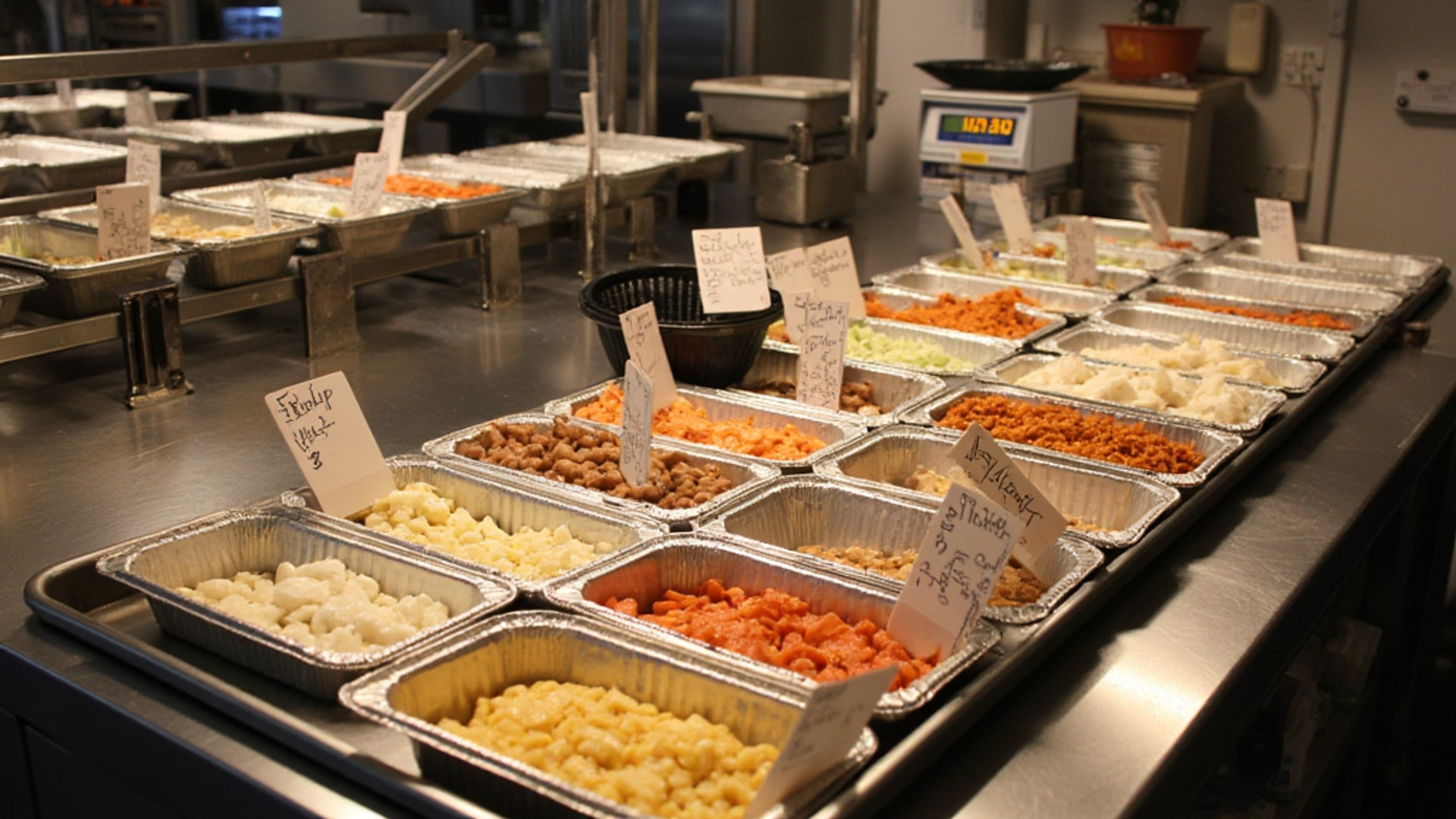
Quality control in the kitchen is not just about presentation and technique — it is fundamentally about consistency between what was intended and what was produced. Food costing provides the financial lens for measuring this.
Restaurant365’s guide on food costing establishes the benchmark: average restaurant food cost percentage should fall between 28-35% of revenue. The core metric is food cost percentage — total food costs divided by total food sales, multiplied by 100. Deviations from target reveal where the operation is leaking money and, by extension, where quality control has broken down.
The most powerful tool in food cost quality control is actual versus theoretical cost analysis. Theoretical food cost represents what costs should be if every ingredient is used exactly as specified in standardized recipes with zero waste. Actual food cost is what the operation actually spent. The variance between these two numbers quantifies the combined impact of waste, over-portioning, theft, spoilage, and recipe non-compliance.
A dish costing $4 to prepare with a 30% target food cost should be priced at $13.33 and should consume exactly $4 of ingredients as specified. If the actual cost is running at $5 per dish — whether because portions are too large, prep yield is low, or ingredients are being wasted — the margin on that dish has deteriorated significantly before anyone notices at the table. Tracking actual versus theoretical costs catches this invisible erosion.
Standardized recipes are the foundation of both kitchen quality control and food cost management. A standardized recipe specifies exactly what goes into a dish, in what quantities, prepared in what sequence. It is simultaneously a quality guide (ensuring every version of the dish matches the intended result) and a cost control tool (ensuring every version of the dish uses the intended quantity of ingredients). Without standardized recipes, both food quality and food cost are inherently variable.
Performance Metrics Worth Tracking
The key operational indicators worth monitoring:
Order accuracy exceeding 95%. This is tracked by 87% of multi-unit operators, per SPNDL’s data, making it one of the most widely used operational benchmarks in the industry. Below 95% and the number of errors generating comps, remakes, and dissatisfied guests is significant enough to affect both financial performance and reputation.
Comp and void rates below 3%. Comps and voids are visible evidence of quality failures — either errors that required correction or service recovery that required a gesture. A rate above 3% signals that the operation is producing errors at a frequency that warrants systematic investigation rather than individual correction.
Greeting compliance at 80% or higher within 60 seconds. The first interaction a guest has with a team member sets the tone for the entire experience. Monitoring this metric reveals whether the greeting standard is being applied consistently or only when a manager happens to be watching.
Service timing adherence. Kitchen display systems provide the data for this measurement automatically — they track when orders were entered, when they were completed, and how long they waited before delivery. Patterns in this data identify bottleneck points in the service process.
The New Hire Quality Standard
Quality control extends to how new staff are integrated into the operation. The framework specifies a 14-day structured onboarding program with measured performance gates, and a specific standard that new hires must achieve 98% order accuracy before independent work during peak shifts.
This benchmark communicates something important about the organization’s quality standards: accuracy is not aspirational, it is a prerequisite for independent operation during the restaurant’s most demanding service periods. New hires who understand this expectation before they reach the floor approach training differently than those who believe accuracy will improve naturally over time.
The individual evaluation cadence at 30, 60, and 90 days creates structured checkpoints for assessing whether new team members are performing to standard and identifying anyone who needs additional support before they have been in the role long enough for underperformance to become a pattern.
Building Compliance Into Culture
Systems and checklists establish what the standards are. Culture determines whether staff follow them when no one is watching. The two work together — neither is sufficient alone.
A quality culture is built through consistent management behavior. When a manager notices a deviation from standard and addresses it every time — not occasionally, not when they are in a corrective mood — staff learn that standards apply always, not situationally. When quality is discussed in pre-shift briefings, recognized when it is exemplified, and used as the basis for coaching when it is missed, it becomes part of how the team thinks about its own performance.
Quality control in a restaurant is ultimately a form of respect — for the guest, for the product, and for the team’s collective ability to execute something difficult consistently. Frame it that way, build it systematically, and enforce it persistently, and it becomes the invisible engine driving the consistency that keeps guests coming back.
→ Read more: Restaurant SOPs: How to Build Standard Operating Procedures That Actually Get Followed → Read more: Food Costing and Recipe Pricing: The Math Behind Every Profitable Menu Item → Read more: Kitchen Productivity Measurement: Ticket Times, Labor Efficiency, and Speed of Service