· Case Studies · 12 min read
Multi-Unit Restaurant Operations: How to Scale Without Losing What Made You Successful
The transition from one location to two is the hardest step in restaurant growth. Gilkey Restaurant Consulting calls it the moment where the hands-on owner-operator model becomes a liability. Here is the systems-first framework for scaling without breaking.
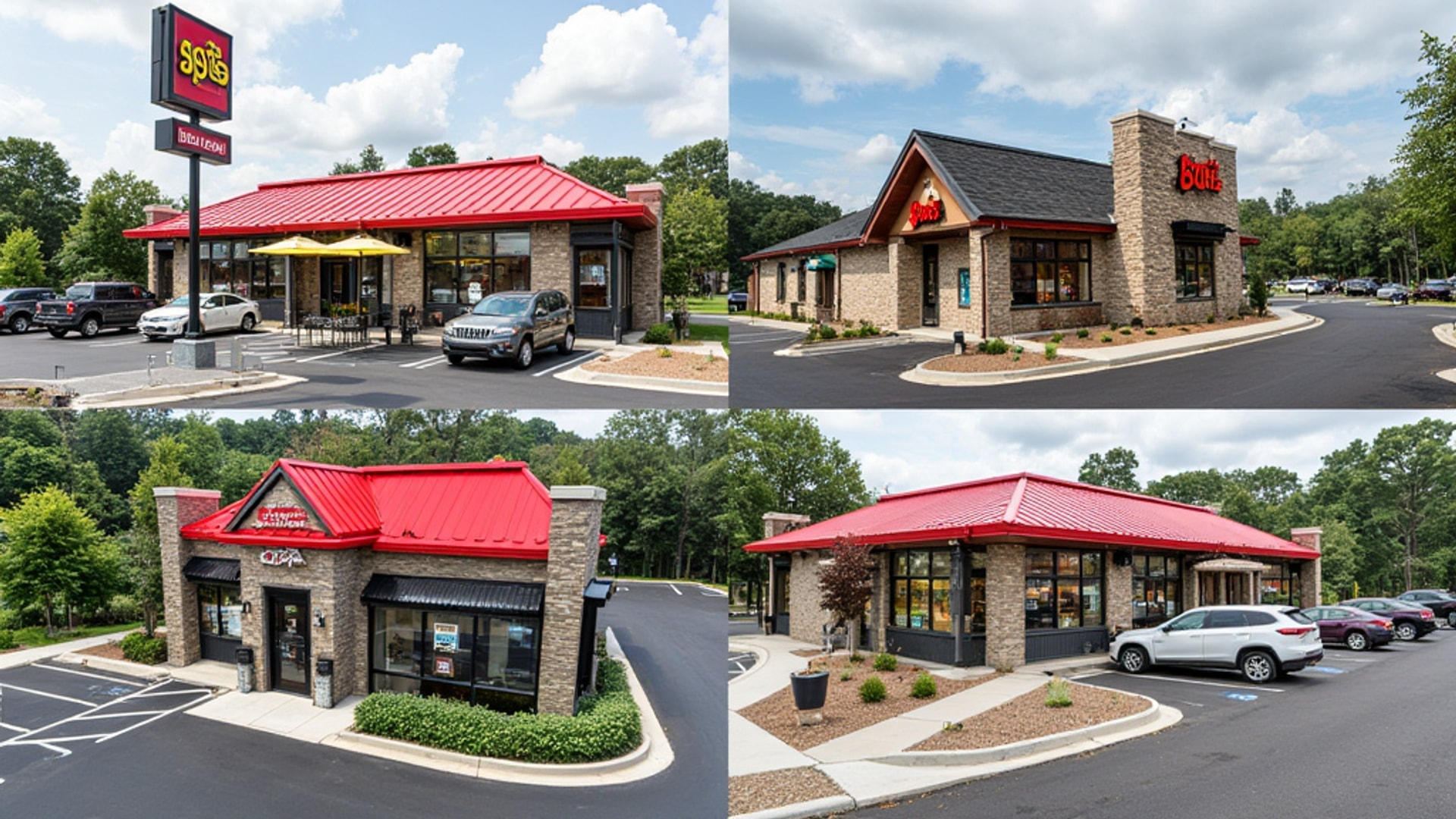
Your first restaurant is working. Regulars are loyal, revenue is consistent, and you have started thinking about location number two. This is the most dangerous moment in a restaurant operator’s career.
According to Gilkey Restaurant Consulting, the transition from one to two locations is the most difficult step in restaurant growth. The hands-on owner-operator model that drove your initial success becomes a liability the moment you cannot be in two places at once. The majority of failed expansions trace back to insufficient preparation for this exact challenge.
This article examines how successful multi-unit operators build the systems, leadership, and financial infrastructure that enable growth — and the specific mistakes that cause expansion to fail.
This article is part of the Restaurant Case Studies collection on NineGuides.
The First Rule: Prove the Concept Before You Scale
The most common expansion mistake is opening a second location because the first one is busy. Being busy is not the same as being replicable.
According to Gilkey Restaurant Consulting, successful expansion requires proving not just customer demand but three additional elements:
- Repeatable operational processes. Can your kitchen produce consistent food without you personally overseeing every plate?
- Sustainable unit economics. Are your margins healthy enough to survive when you add the overhead of a second location?
- A clearly defined brand identity. Can someone who has never been to your restaurant describe what makes it different?
Shake Shack exemplifies this approach. According to Restaurant Business Online, founder Danny Meyer’s original hot dog stand in Madison Square Park generated enormous demand — customers waited two to three hours for service. That scarcity built powerful brand equity. But Meyer did not rush to open a second location. His father’s travel company had gone bankrupt after overexpanding, and that experience shaped a deliberate, systems-first growth philosophy.
Shake Shack invested heavily in refining operations, labor deployment, kitchen design, and supply chain management before accelerating growth. The brand cut one minute from average service times through more efficient labor deployment and retrofitted every U.S. location with self-service kiosks. Only after these systems were proven did Shake Shack raise its long-term target from 450 to more than 1,500 company-owned locations, with plans for 45-50 new restaurants in 2025 alone.
The lesson: build density before breadth, and systems before speed.
Systems: The Non-Negotiable Foundation
At a single location, you compensate for weak systems through personal presence. You taste the food, adjust the seasoning, coach the new server, and notice when the bathroom needs attention. At two or more locations, you cannot do any of this reliably.
The Eight Essential SOP Categories
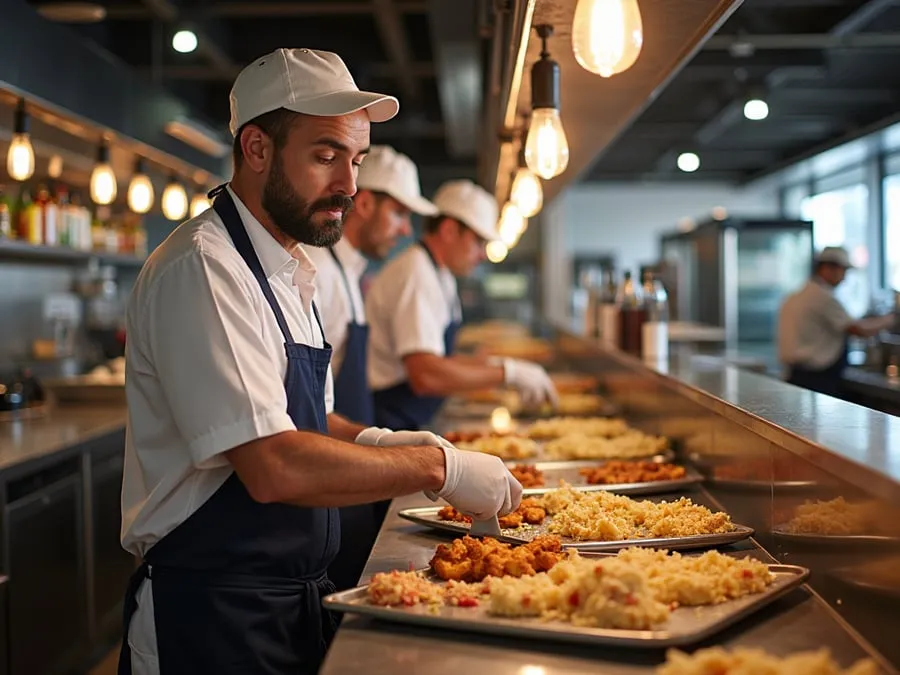
According to MaintainX, restaurant standard operating procedures should cover eight categories:
| Category | Examples |
|---|---|
| 1. Facility & Equipment Maintenance | Sanitation schedules, equipment care, pest control, thermometer calibration |
| 2. Health & Safety | Handwashing protocols, hygiene standards, emergency procedures |
| 3. Compliance & Legal | Inspection guides, documentation, reporting protocols |
| 4. Food Flow | Preparation, holding temperatures, storage, waste management |
| 5. Menu Production | Food presentation standards, service standards |
| 6. Training & Development | Onboarding procedures, performance evaluation |
| 7. Service & Communication | Order-taking, seating, complaint response |
| 8. Inventory & Stock | Monitoring, storage, ordering, vendor communication |
These are not just operational nice-to-haves. MaintainX notes that restaurants must maintain documented procedures for safe food handling per FDA regulations, including HACCP principles and local health department requirements. SOPs are a legal requirement, not a management preference.
Writing SOPs That People Actually Follow
According to Toast’s implementation guide, effective SOPs should be:
- Specific enough to follow step-by-step — not vague principles but concrete actions
- Flexible enough for situational judgment — your staff needs decision-making frameworks, not just rules
- Written in plain language — avoid industry jargon unless it is defined
- Created collaboratively with frontline staff — the people who do the work know the work best
- Digitally managed — cloud-based platforms enable version control, accessibility across locations, and completion tracking
MaintainX recommends consulting workers involved in specific processes before documenting them. Your line cook knows things about the closing procedure that you may not. Incorporate their knowledge, and you get better SOPs and better buy-in.
Leadership Development: Your Real Expansion Constraint
Systems alone are not enough. You need people capable of running each location as if they owned it.
According to Gilkey Restaurant Consulting, the owner-operator model must evolve into a leadership development engine. Multi-unit operators need managers who can:
- Execute the brand promise independently
- Make operational decisions without constant oversight
- Train and develop their own teams
- Manage financial performance at the unit level
- Represent the brand to the local community
This is a fundamentally different skill set from managing a single restaurant. At one location, your best manager needs to be good at execution. At multiple locations, your managers need to be good at judgment.

The Chipotle Warning
Chipotle’s 2015-2016 crisis, documented by Cascade Strategy, demonstrated that leadership gaps can be existential for multi-unit operators. The company’s food safety breakdown was not just an operational failure — it was a leadership failure that required a complete overhaul. Co-CEO Monty Moran resigned, founder Steve Ells stepped down, and an outside CEO (Brian Niccol from Taco Bell) was brought in to reset the culture and strategy.
When you operate hundreds or thousands of locations, a leadership failure at any level can damage the entire brand. The investment in leadership development is not optional — it is the most important expense in your expansion budget.
Building Your Leadership Pipeline
The most effective approach is to develop leaders internally:
- Identify high-potential team members early. Look for people who solve problems proactively, not just those who follow instructions well.
- Create clear advancement paths. If your best line cook cannot see a path to management, they will leave for someone who offers one.
- Invest in management training before you need managers. Train people for the roles you will need in 12 months, not the roles that are open today.
- Give emerging leaders real responsibility. Let them run a shift, manage a vendor relationship, or handle a customer complaint before you hand them a location.
According to David Scott Peters’ coaching practice, the pattern is consistent across successful multi-unit operators. Jonathan built a full management team and implemented systems that enabled his restaurant to operate independently of any single person — then used that foundation to successfully open a second location. Ryan and Neely manage multiple seasonal restaurants in Ocean City, Maryland through standardized processes and trained managers who understand the company’s values.
The common thread: systems-based operations, not individual hustle, enable sustainable growth.

Financial Complexity: What Changes at Scale
According to Gilkey Restaurant Consulting, financial complexity increases nonlinearly with expansion. The most common mistake is opening with sufficient capital for construction but insufficient reserves for the operational ramp-up period.
New Cost Categories
When you go from one to two locations, your cost structure changes in ways most operators do not anticipate:
- Area management costs. Someone needs to oversee both locations. That is either your time (which has an opportunity cost) or a district manager’s salary.
- Central kitchen or commissary. If you centralize any prep work to ensure consistency, you are adding a facility and its associated costs.
- Technology infrastructure. Cloud-based POS, scheduling, inventory, and communication platforms become essential, not optional.
→ Read more: Building Your Restaurant Technology Stack
- Training overhead. Onboarding and developing staff for a new location while maintaining quality at the existing one is resource-intensive.
- Marketing for two markets. Unless your locations are in the same trade area, you may need separate local marketing efforts.
The Purchasing Power Offset
According to University of Michigan research, chain restaurants pay 5-14% less than independent operators for identical food products due to group buying power and negotiated supply chain contracts. This purchasing advantage partially offsets the added overhead of multi-unit management.
At two locations, the savings may be modest. At five or ten, they become significant. This is one reason why multi-unit growth, once you survive the initial expansion, tends to get easier financially with each subsequent unit.
Financial Reserves
Do not open a second location without reserves that cover:
- Full construction and launch costs
- 6-12 months of operating expenses for the new location (assuming below-plan performance)
- A buffer for unexpected costs at the existing location (expansion often distracts from the original unit)
- Working capital for the increased inventory and staffing across both locations
Brand Consistency at Scale
According to Ansira, multi-location restaurant marketing requires balancing centralized brand control with local market flexibility. Customers expect the same quality, messaging, and experience regardless of which location they visit. Inconsistent branding erodes the recognition advantage you have invested in building.

The Framework
| Level | Responsibility |
|---|---|
| Central/Corporate | Brand strategy, guidelines, campaign frameworks, approved assets |
| Local/Unit | Market adaptation, community engagement, location-specific promotions |
Tools for Brand Consistency
Ansira recommends several technology-driven approaches:
- Centralized marketing platforms provide each location with access to approved logos, images, typography, and color specifications
- Template systems allow local operators to customize materials (flyers, social media posts, email campaigns) with location-specific details while maintaining brand-consistent design
- Brand compliance software monitors digital presence across locations to identify off-brand usage or unauthorized modifications
- Reputation management platforms aggregate reviews and social media mentions across all locations
The Consistency Crisis
Chipotle’s food safety crisis illustrated what happens when consistency fails at scale. A breakdown at multiple locations devastated the entire brand — sales dropped over 30%, and the stock fell more than 50%. Every location suffered, not just the ones with problems.
For multi-unit operators, brand consistency is not a marketing concern. It is an existential risk management priority.
Growth Pacing: How Fast Is Too Fast?
According to Gilkey Restaurant Consulting, the pace of expansion matters as much as the decision to expand. Opening locations too rapidly without allowing systems and leadership to stabilize between openings dramatically increases failure risk.
The Shake Shack Model
Shake Shack’s growth pacing is instructive. According to Restaurant Business Online, the brand spent years building density in proven markets before announcing its aggressive expansion. Even at scale, the chain employs multiple formats to match local conditions:
- Drive-throughs (launched 2021) for car-centric suburban markets
- Experiential flagships with full bars for urban entertainment districts
- Smaller footprint locations for markets that cannot support a full-size restaurant
The brand reports particularly strong performance in Florida, Texas, Arizona, and the Midwest — markets where it built density before expanding further.
A Practical Pacing Framework
For independent operators scaling from one to multiple locations:
| Phase | Timeline | Focus |
|---|---|---|
| Concept validation | Year 1-2 | Prove unit economics, document all systems, develop leadership team |
| Location 2 | Year 2-3 | Open second location, refine multi-unit management approach |
| Stabilization | 6-12 months after Location 2 | Fix what broke, update systems based on real multi-unit experience |
| Location 3-5 | Year 3-5 | Scale proven model, add area management layer |
| Growth acceleration | Year 5+ | Consider franchise model, strategic partnerships, or rapid company-owned expansion |
Each new location should be treated as both an expansion and a learning opportunity. Refine systems and processes before proceeding to the next opening.
Company-Owned vs. Franchise Growth
At some point, successful multi-unit operators face the question: should you franchise your concept?
According to Gilkey Restaurant Consulting, each model has distinct trade-offs:
| Factor | Company-Owned | Franchise |
|---|---|---|
| Capital required | High (you fund everything) | Low (franchisees fund build-out) |
| Operational control | Complete | Limited to franchise agreement |
| Revenue model | All revenue, all costs | Royalties (4-8% of gross) + fees |
| Growth speed | Slower (capital-constrained) | Faster (others invest) |
| Brand risk | Controlled by you | Depends on franchisee quality |
| Profit per unit | Higher (no royalty payments) | Lower (but across more units) |
According to University of Michigan research, franchising is no safer on average than independent business ownership. The franchise model’s structural advantages in brand recognition and operational systems are partially offset by the cost burden on franchisees and the quality control challenges for franchisors.
Shake Shack has chosen the company-owned path, maintaining control across all domestic locations. Other brands franchise internationally through licensing partnerships while keeping domestic units company-owned. There is no universally correct answer — the right model depends on your capital position, your tolerance for operational variability, and your growth ambitions.
Technology Infrastructure for Multi-Unit Management
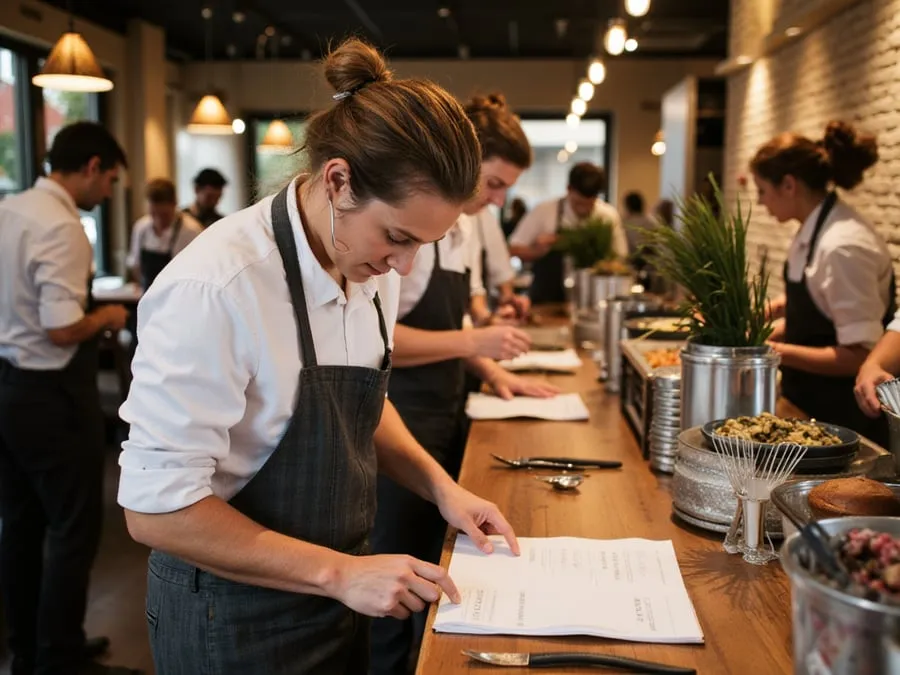
As you scale, the right technology stack moves from helpful to essential.
Essential Systems
- Cloud-based POS. Centralized data across locations enables real-time performance comparison, menu analysis, and financial reporting.
- Digital SOP platforms. According to Toast, digital platforms enable version control, accessibility, and completion tracking across locations — ensuring every unit operates from the same current procedures.
- Scheduling software. Multi-unit scheduling with labor cost visibility prevents overstaffing at one location while another is understaffed.
- Inventory management. Track waste, compare food costs across locations, and identify purchasing patterns that indicate problems.
- Communication platforms. A manager at Location 2 needs to reach you (or your area manager) immediately when problems arise. Structured communication channels prevent issues from becoming crises.
Real-Time Dashboards
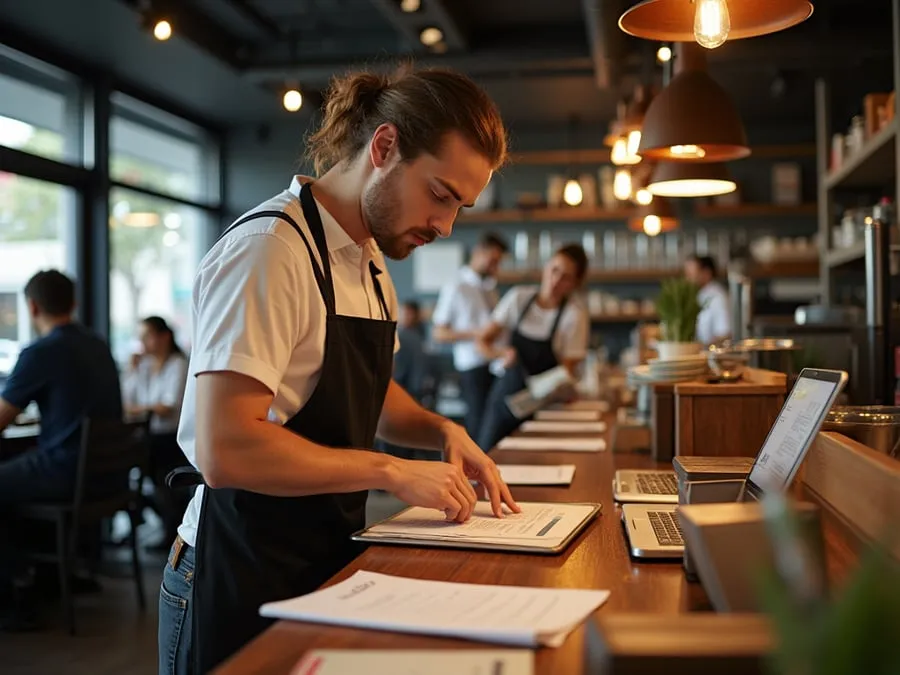
The most effective multi-unit operators use dashboards that aggregate performance data across all locations. According to Lightspeed, real-time dashboards help identify underperforming units, compare key metrics (revenue per labor hour, food cost percentage, customer satisfaction), and deploy resources where they are needed most.
When Location 3 shows a sudden spike in food cost percentage, you want to know about it today, not at the end of the month.
The Expansion Readiness Checklist
Before you sign a lease for Location 2, verify that you can check every box:
Operations:
- All eight SOP categories documented and digitally accessible
- Current location can operate profitably for 30+ days without your daily presence
- Kitchen processes produce consistent results with any trained cook, not just your best one
Leadership:
- At least one manager capable of running the current location independently
- A leadership development pipeline with identified candidates for new-location management
- Clear performance metrics and accountability structures
Finance:
- Current location profitable with healthy, stable margins
- Capital available for full build-out plus 6-12 months of operating reserves
- Financial systems capable of tracking and comparing performance across locations
- Understanding of how expansion will change your overhead structure
Brand:
- Brand identity clearly defined and documented (not just in your head)
- Marketing materials templated for multi-location use
- Online presence ready for a second location (website, listings, social media)
Technology:
- Cloud-based POS with multi-location capability
- Digital scheduling and communication platforms
- Inventory management system ready for multi-unit tracking
If you cannot check every box, you are not ready. Open anyway, and you risk damaging both the new location and the original one.
The Bottom Line
Multi-unit restaurant growth is not just “doing what you did again, somewhere else.” It is a fundamentally different operational challenge that requires different skills, different systems, and a different mindset.
The operators who scale successfully — from Shake Shack’s deliberate build from hot dog cart to 1,500-location ambition, to independent operators like Jonathan and Ryan building management systems that enable multiple thriving locations — all share the same discipline: they built the infrastructure for growth before they attempted the growth itself.
Your first restaurant proved your concept. Your second restaurant will prove your systems. Get the systems right, and locations three through ten become exercises in execution rather than experiments in survival.
→ Read more: Restaurant Scheduling and Labor Cost Optimization
→ Read more: McDonald’s Franchise and Real Estate Model