· Culture & Sustainability · 9 min read
Online Review Culture: How Ratings Shape Restaurant Success (and What to Do About It)
Ninety-four percent of diners choose restaurants based on online reviews, each additional star can increase revenue by 5-9%, and 43% won't visit a restaurant rated below 3.5 stars — your online reputation is your business.
Your restaurant’s reputation used to live in the mouths of your regulars and the pens of newspaper critics. It spread slowly, word by word, and the feedback loop between customer experience and public perception was measured in months.
That era is completely over. Today, a single Saturday night can generate dozens of reviews that are read by thousands of potential customers by Monday morning. A guest who had a disappointing experience at 8 p.m. can have a one-star review posted before their rideshare arrives. And according to Toast’s research, 94 percent of diners choose restaurants based on online reviews — making your rating on Google, Yelp, and TripAdvisor as important as your food, your location, and your pricing combined.
If you are not actively managing your online reputation, you are not managing your business.
The Scale of Review Influence
The data from Toast’s restaurant review research is direct and somewhat alarming: 71 percent of diners read reviews before deciding where to eat, and 94 percent let those reviews influence their final decision. The path from potential customer to paying customer now runs through review platforms in the majority of cases.
The financial impact is measurable. Each additional star on Yelp or Google is associated with a 5 to 9 percent revenue increase. This is not a soft correlation — it represents a concrete commercial outcome from reputation investment. A restaurant that moves from 3.5 to 4.5 stars on Google, holding everything else equal, can expect revenues to climb by that magnitude.
The floor matters too. Toast’s data shows that 43 percent of potential diners will not visit a restaurant rated below 3 to 3.5 stars, regardless of other factors. This creates an effective exclusion threshold: fall below it, and you lose nearly half of potential customers before they ever read your menu.
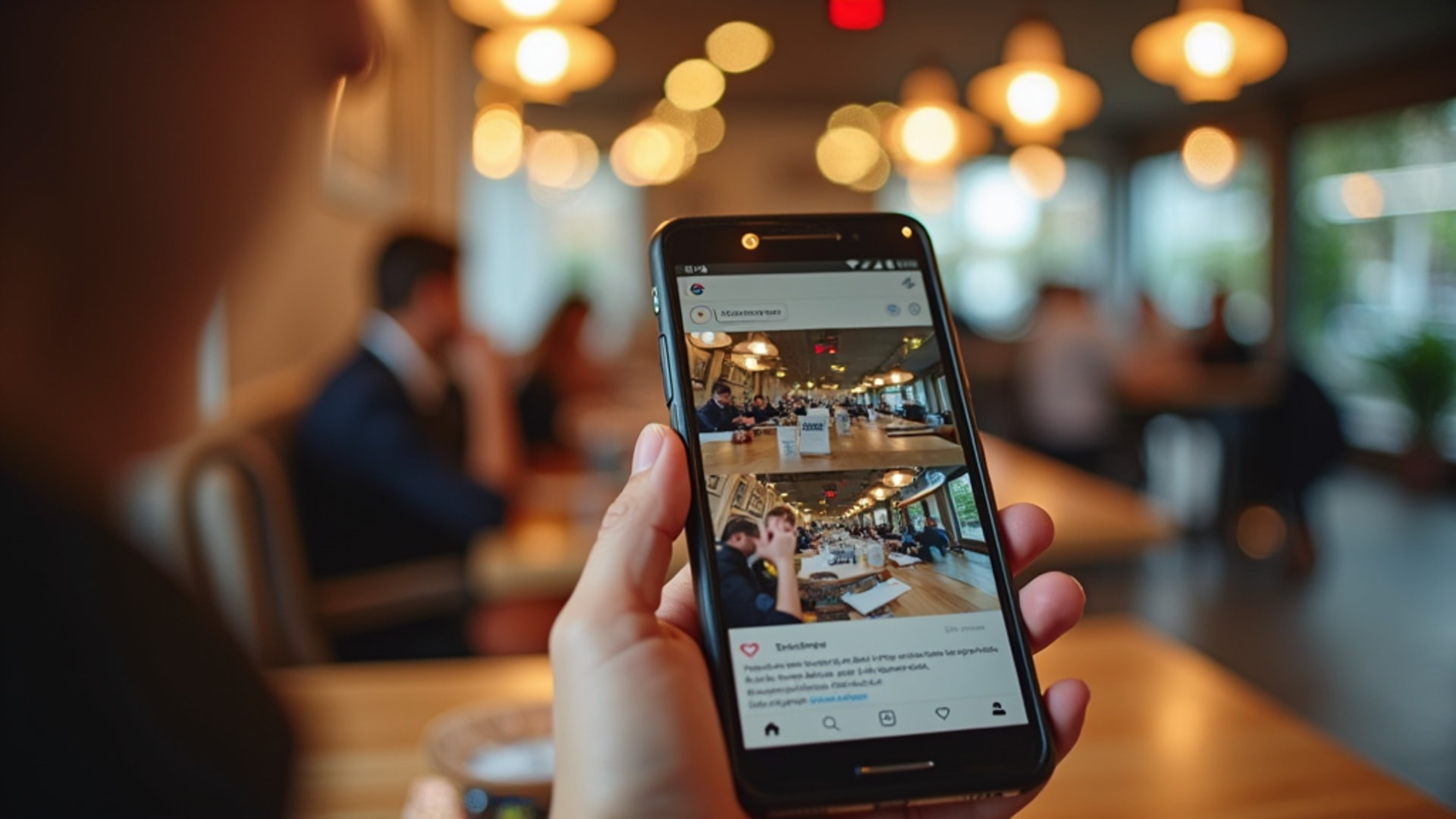
Platform distribution is not equal. Google Reviews leads by volume — 46 percent of diners check Google first. Yelp is the second most common starting point at 23 percent and is considered more trusted specifically for restaurant reviews despite having fewer users than Google overall. TripAdvisor retains importance particularly for travelers and destination dining contexts. Managing all three seriously is not optional for restaurants dependent on customer acquisition.
Why Reviews Are So Powerful
The behavioral science behind review influence is worth understanding because it shapes how you respond to the culture, not just the tactics.
Social proof is a fundamental human heuristic. In conditions of uncertainty — and choosing a restaurant is a context of genuine uncertainty — people default to what others have already validated. A 4.8-star restaurant with 400 reviews is not just “probably good.” It is offering a form of social guarantee that reduces the risk of a disappointing experience. This is psychologically powerful in a way that advertising cannot replicate.
Recency matters. Customers weight recent reviews heavily. A restaurant with 200 reviews averaging 4.5 stars, but with 15 recent reviews averaging 3.2 stars, reads very differently to a careful reader than to a casual one. This means consistent performance matters more than historical reputation — your most recent dozen reviews are essentially your current brand reputation.
Responses are part of the reputation. When a restaurant owner responds thoughtfully to a critical review — acknowledging the problem, explaining what was done or will be done, offering to make it right — that response is read by every future customer who reads that review. A well-handled negative review can actually build trust more effectively than an unresponded positive review, because it demonstrates that the owner takes guest experience seriously.
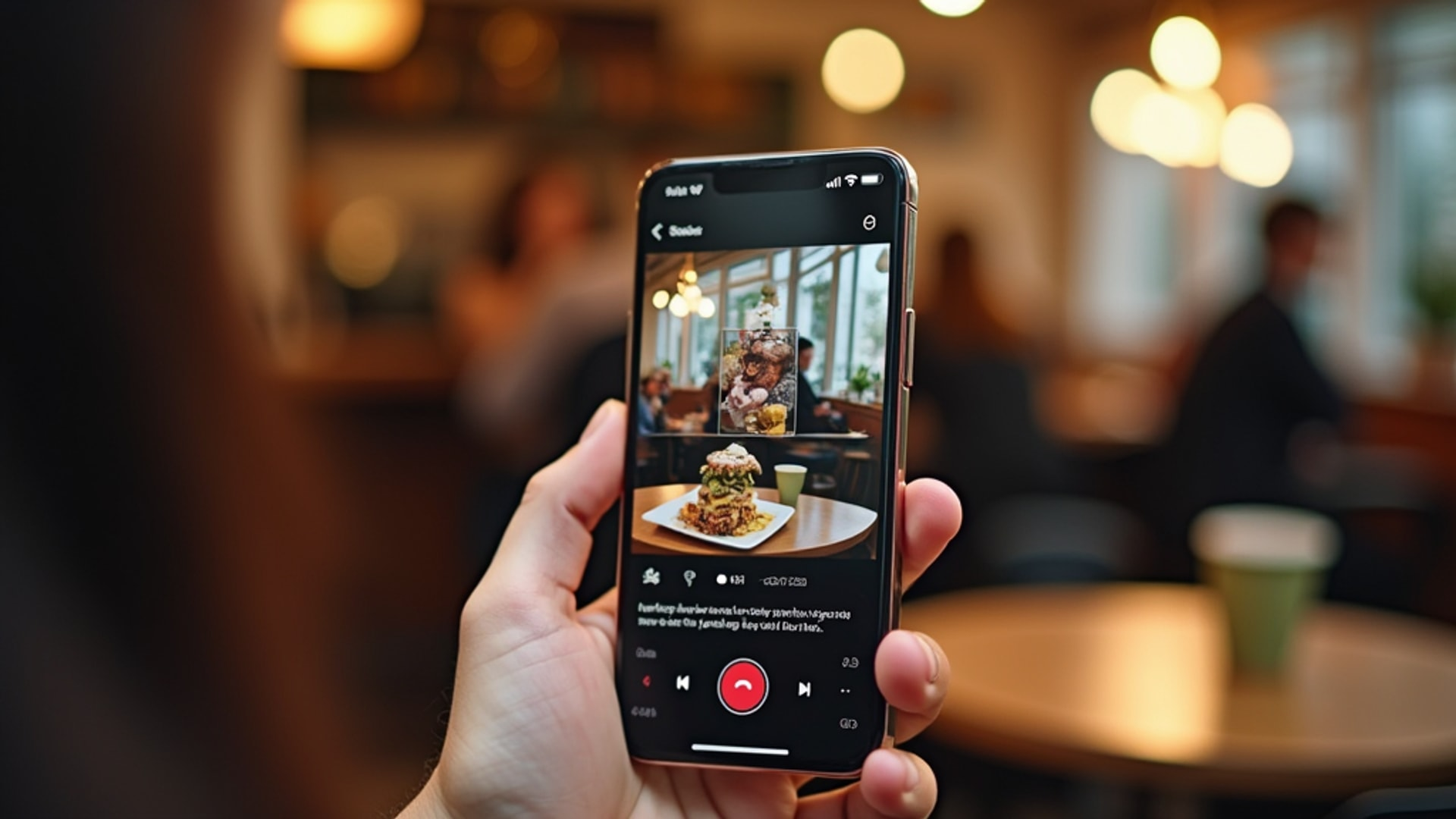
McKinsey’s 2026 consumer research found that Gen Z relies particularly heavily on social proof — food photos, social media posts, influencer reviews — when making dining decisions. For this demographic, which represents a growing share of restaurant spending, the review ecosystem extends beyond formal review platforms to include Instagram posts, TikTok videos, and Google photos. A restaurant’s visual online presence is part of its review ecosystem.
The Platform Landscape
Google Business Profile is the single most important platform for most restaurants. Google’s dominance in search means that a restaurant’s star rating, recent reviews, photos, and basic information appear at the top of any search result — before the restaurant’s own website. Claiming and optimizing your Google Business Profile is not optional.
The optimization elements that matter most: accurate and complete business information (hours, address, phone, category), a strong collection of recent high-quality photos, active response to reviews, and a rating above the 4-star threshold. Google’s algorithm also factors review volume and recency, so a steady stream of new reviews is preferable to a large but stale collection.
Yelp operates differently. Its review filtering algorithm aggressively filters reviews from accounts that are not established — which means reviews from satisfied customers who created accounts specifically to leave a positive review may not appear. This is a constant source of frustration for operators. Understanding how Yelp’s filtering works helps set realistic expectations and focuses strategy on organic review generation rather than solicited reviews.
TripAdvisor is disproportionately important for restaurants in tourist destinations, restaurant-dense neighborhoods, or city-center locations. Travelers planning dining itineraries research heavily on TripAdvisor. Hotels refer their guests to TripAdvisor. If any meaningful portion of your business comes from visitors to your area rather than local regulars, TripAdvisor deserves the same active management as Google.
Building a Review Management System
The restaurants that win the reputation game are not the ones that get lucky with great reviews. They are the ones that have built systematic processes for generating, monitoring, and responding to reviews.
Make asking for reviews part of your service flow. The most effective way to build review volume is the simplest: ask satisfied customers to share their experience. This can be as low-tech as a server saying “We’d love to hear about your visit on Google” or as sophisticated as an automated text message sent to diners an hour after their reservation ends. The ask needs to happen; it does not happen automatically.
Monitor all platforms in real time. Review monitoring tools — ranging from free Google Alerts to paid reputation management platforms — aggregate incoming reviews across platforms and notify you immediately when new reviews post. Waiting a week to respond to reviews is waiting a week while those reviews influence customer decisions without your response.
Develop a response protocol for negative reviews. Every negative review deserves a response, and the response should follow a consistent structure: acknowledge the specific experience described, thank the reviewer for the feedback, apologize genuinely (not defensively), explain what has changed or will change if appropriate, and invite the reviewer to return. Never argue with a reviewer publicly, even when the review is factually inaccurate.
Respond to positive reviews too. A brief, genuine response to a positive review — not a template, not a form letter — acknowledges the guest, reinforces the specific things they appreciated, and signals to future readers that your restaurant engages actively with its community. The volume of positive responses also contributes to your overall presence and engagement metrics.
Reviews as Operational Intelligence
The most sophisticated operators treat online reviews not just as reputation management but as operational data. Recurring themes in negative reviews reveal real problems — service speed, food temperature, noise levels, specific menu items — that would otherwise require extensive observation to identify.
Toast’s research notes that effective reputation management includes using review analytics to identify operational trends. If six reviews in a month mention cold food, the problem is probably not a one-time kitchen error; it is a systems issue in how food gets from the kitchen to the table. If a dozen reviews mention that service felt rushed, the problem may be a staffing level, a table-turn policy, or a training gap.
This analytical approach to reviews requires some infrastructure. Review management platforms that aggregate data across platforms and highlight recurring keywords are significantly more efficient for trend analysis than reading reviews manually across multiple platforms. The operational improvement potential justifies the investment even setting aside the reputation management value.
The Fake Review Problem
The integrity of online review platforms has been threatened by fake reviews on both sides — fraudulent positive reviews purchased to boost ratings, and fraudulent negative reviews submitted by competitors or disgruntled former employees.
Platform algorithms are increasingly sophisticated at detecting fake reviews, but not perfect. When you suspect a review is fraudulent — particularly negative reviews that describe experiences that do not match any record in your reservation or transaction system — you can flag the review for platform investigation. This rarely produces fast results, but it is the appropriate channel.
The more important principle is not to engage in fake review practices yourself. Purchasing positive reviews violates platform terms of service, and platforms that detect the practice remove the reviews and may penalize the restaurant’s overall ranking. The short-term rating boost from fake reviews is not worth the long-term reputational and operational consequences of being caught.
Building a Review-Worthy Operation
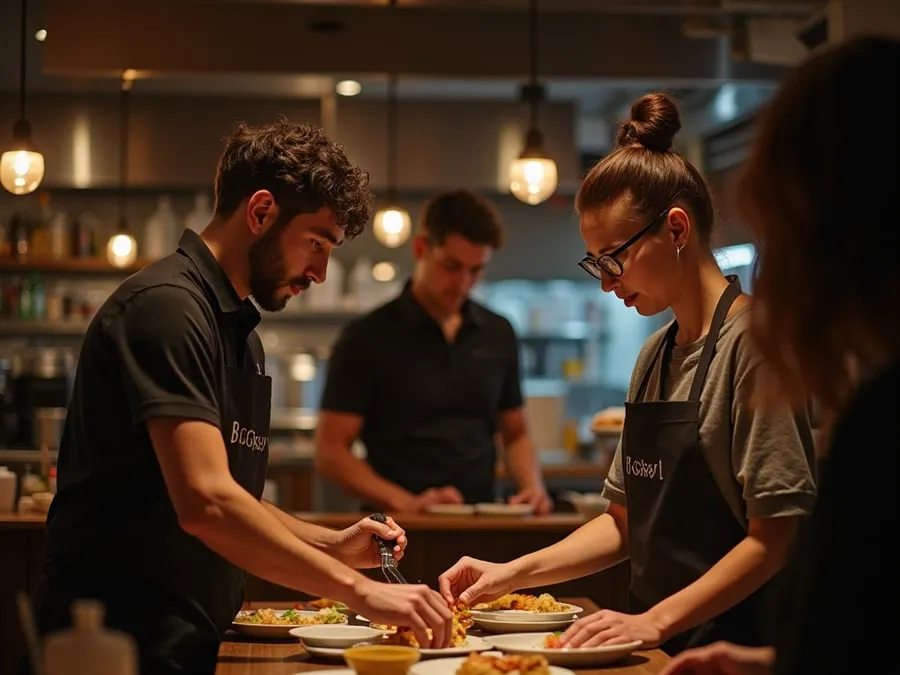
All the review management strategy in the world cannot compensate for a restaurant that consistently provides mediocre experiences. The foundation of online reputation management is an operation that gives customers genuinely positive experiences worth sharing.
The most powerful review generation strategy is identifying the specific moments that create what hospitality researchers call “peak experiences” — the moments so unexpectedly good that guests feel compelled to tell others. These are often small: a server who remembered a guest’s name, a complimentary bite of something new the kitchen was experimenting with, a birthday acknowledgment that felt personal rather than scripted.
Engineering these moments requires training, operational intentionality, and a culture of genuine hospitality. But the commercial return — in reviews, in loyalty, in referrals — is among the highest available to any restaurant investment.
The review culture that transformed restaurant marketing over the past decade is not going to reverse. If anything, the integration of AI into review platforms, the growth of video reviews on TikTok and YouTube, and the increasing sophistication of restaurant discovery algorithms will make reputation management more complex, not simpler. Building the systems and culture to excel in this environment is the work of today, not tomorrow.
-> Read more: Restaurant Marketing: Building Your Brand
-> Read more: Consumer Behavior Trends Reshaping the Restaurant Industry