· Design & Ambiance · 7 min read
Rooftop Restaurant Design: Engineering Urban Dining Experiences That Work in Any Weather
How to design a rooftop restaurant that maximizes views, manages weather exposure, meets structural requirements, and operates profitably year-round.
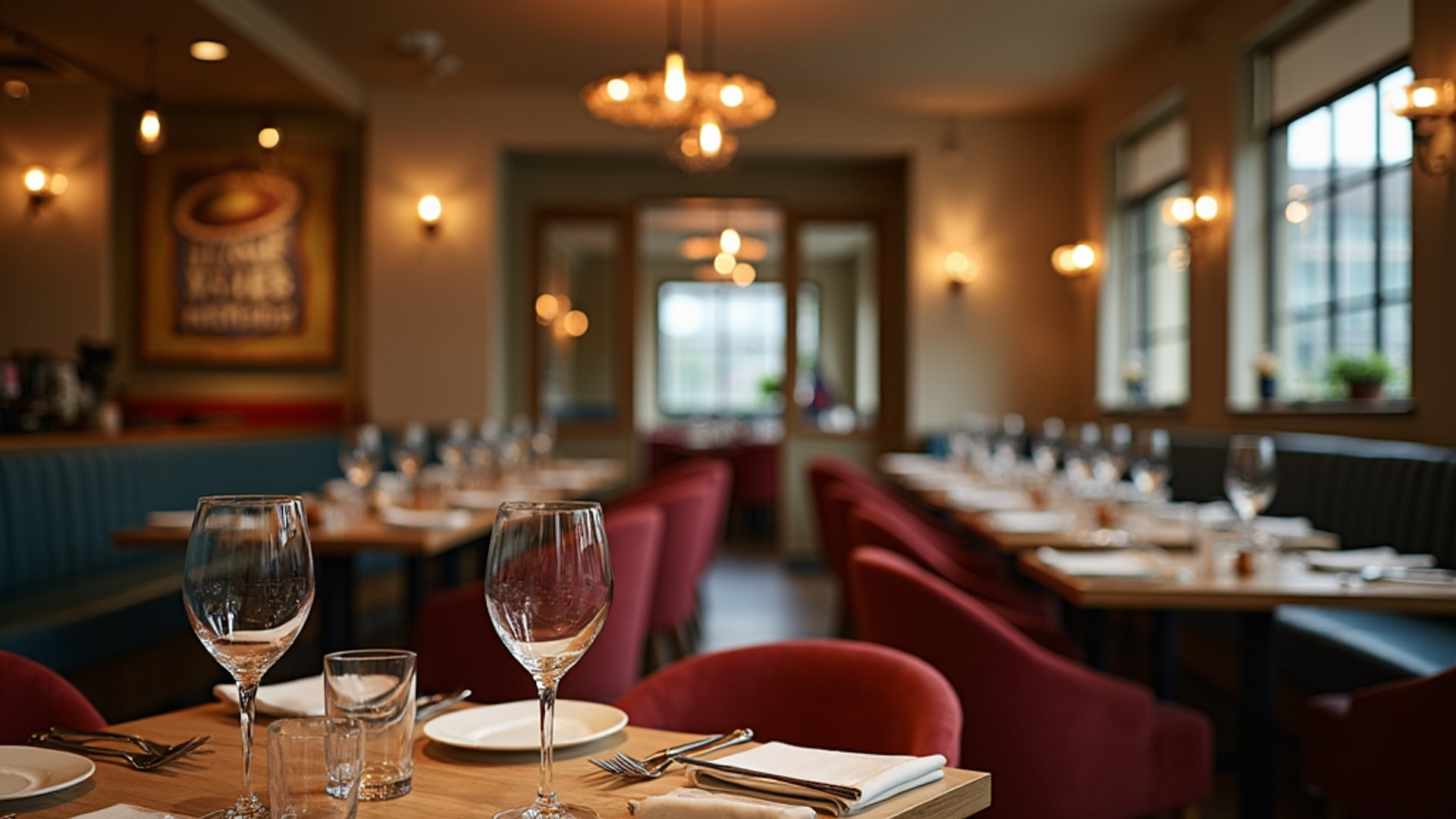
Rooftop dining is one of the most coveted experiences in urban hospitality, and for good reason: the combination of elevated views, open sky, and the energy of a city creates a setting no ground-floor restaurant can replicate. According to GoTable, rooftop restaurant design has grown from a niche concept to a major trend in urban dining, driven by the premium that diners place on unique experiences and dramatic views. But rooftop design presents challenges distinct from anything you’ll encounter at street level. Get them wrong and you have a seasonally limited, structurally risky, poorly functioning space. Get them right and you have one of the highest-revenue areas in your operation.
The View Is Your Primary Asset — Design Around It
The view is what guests are paying for. Everything else in the rooftop design should serve it. According to GoTable, seating arrangements should orient guests toward the most compelling sightlines, whether skyline, waterfront, or mountain views.
Seating orientation strategy:
- Map the primary view direction from every part of the rooftop before finalizing any seating layout
- Position the best seats — typically a perimeter ring facing the view — for the highest-value covers (tables for two, premium seating)
- Bar seating along the perimeter gives single diners and couples the best possible view angle
- Avoid positioning any seating with its back directly to the most dramatic view — guests seated facing inward will feel like they’re missing something
According to GoTable, multi-level terracing can provide view access to more seats. If your rooftop can support it structurally, a platform elevation of 12–18 inches on the rear section can give back-row guests sightlines over front-row seating without blocking anyone.
Structural Engineering: The Mandatory First Step
Before any design work, the building structure must be evaluated by a structural engineer. According to GoTable, structural load capacity must be verified before adding heavy planters, furniture, or bar equipment.
Rooftop loads that are often underestimated:
| Element | Approximate Weight |
|---|---|
| Full occupancy (guests + staff) | 50–100 lbs per sq ft of occupied area |
| Heavy planters (large trees, stone containers) | 50–200 lbs each |
| Concrete pavers (3 inches thick) | 37 lbs per sq ft |
| Bar with ice, equipment, glassware | 500–2,000 lbs |
| Outdoor heaters (freestanding) | 50–150 lbs each |
| Wind load on solid structures | Requires engineering calculation |
Many buildings, particularly older commercial structures, were not designed to handle the combined load of a functional restaurant. Before investing in rooftop design, spend $3,000–$8,000 on a structural assessment. It will either confirm the feasibility or reveal the reinforcement required — either way, it’s money that prevents much more expensive mistakes.
Water Management: Underestimated, Consequential
According to GoTable, water management requires careful drainage design to prevent pooling on the rooftop surface and leaks into the building below. Rooftop drainage is not optional — it is a code requirement and a practical necessity.
Water management requirements:
- Primary drains sized for your local maximum rainfall intensity (consult local building codes)
- Secondary (overflow) drains or scuppers in case primary drains become blocked
- Positive slope toward drains across the entire rooftop surface (minimum 1/4 inch per foot)
- Waterproofing membrane under all flooring materials, rated for the temperature extremes of your climate
- Drainage layers under heavy planters to prevent standing water
- Sump drainage for any enclosed portions that could trap water
All penetrations through the roof membrane — pipes, conduit, anchor bolts for structures — must be properly flashed and sealed. A single failed penetration seal can result in water damage to floors below that costs far more to repair than the original rooftop buildout.
Wind Management: The Comfort Imperative
Wind on a rooftop is one of the primary reasons guests don’t return. According to GoTable, wind management through glass panels, screens, or strategic plantings improves guest comfort. A table with beautiful views that guests can’t comfortably sit at is a waste of premium space.
Wind mitigation strategies:
| Method | Effectiveness | Cost | Visual Impact |
|---|---|---|---|
| Glass wind screens (floor-to-ceiling panels) | Very high | High ($150–$400/linear ft) | Minimal — preserves views |
| Tempered glass railings | Medium (for low wind) | Medium | Excellent — maximizes views |
| Dense plantings (biophilic hedge-height) | Medium | Low–medium | Positive — adds greenery |
| Fabric tensile canopies | High (with sides) | Medium–high | Architectural feature |
| Solid walls or fencing | Very high | Medium | Blocks views |
The gold standard for a rooftop with high wind exposure is structural glass panels — they block wind while preserving the views that are the entire point of the rooftop. For lower-wind environments, perimeter hedge plantings or partial glass screens may be sufficient.
Conduct a wind assessment at the rooftop level during your planning phase — ideally on multiple days and at different times of day. Wind conditions at rooftop height are often dramatically different from street level, and they vary significantly with building surroundings and local topography.
Furniture and Surfaces: Weatherproofing as Non-Negotiable
According to GoTable, weather-resistant furniture in teak, aluminum, or synthetic wicker withstands sun, rain, and wind exposure. Every element of a rooftop restaurant operates in an outdoor environment, regardless of any overhead coverage.
Material performance guide:
| Material | UV Resistance | Rain | Wind | Maintenance | Aesthetics |
|---|---|---|---|---|---|
| Teak wood | Excellent | Excellent | Heavy | Annual oiling | High-end, warm |
| Marine-grade aluminum | Excellent | Excellent | Good | Minimal | Clean, modern |
| Powder-coated steel | Good | Good (can rust if chipped) | Excellent | Touch-up coating | Versatile |
| Synthetic wicker (HDPE) | Excellent | Excellent | Moderate | Minimal | Relaxed, resort |
| Natural wicker or rattan | Poor | Poor | Poor | High | Do not use outdoors |
| Concrete (tables) | Excellent | Excellent | Excellent (weight) | Minimal | Industrial, heavy |
Avoid any materials not rated for continuous outdoor exposure. The failure cost — furniture that rusts, splits, or fades within a season — far exceeds the cost of specifying correctly from the start.
Extending the Season: Heating and Enclosure
A rooftop that operates only in June, July, and August is a poor return on design investment. According to GoTable, fire pits and heaters extend the rooftop season into cooler months. Many rooftop operators achieve 8–10 months of viable operation in temperate climates with the right investments.
Heating options:
| Type | Coverage | Cost | Fuel |
|---|---|---|---|
| Patio heaters (freestanding) | 6–8 ft diameter | $200–$800 each | Propane or natural gas |
| Overhead infrared heaters | 12–15 ft diameter | $500–$2,000 each | Electric or natural gas |
| Fire pit (permanent) | Nearby seating zone | $2,000–$8,000 | Gas or wood |
| Full enclosure system | Entire rooftop | $50,000–$200,000+ | HVAC |
Permanent overhead infrared heaters hardwired to a gas line are the most effective solution for restaurant-grade rooftop heating. They heat guests directly through radiant energy rather than trying to heat the open air, and they’re visually unobtrusive.
For all-season operation in cold climates, a retractable glass enclosure or permanent glazed superstructure converts the rooftop from seasonal outdoor to year-round enclosed-outdoor. This is a major capital investment but can double the operational calendar of the space.
Lighting: View Preservation and Ambiance
According to GoTable, string lights and soft ambient lighting set mood and extend evening service hours. Rooftop lighting requires a different approach than indoor lighting because the outdoor darkness means even low-level lighting reads dramatically.
Rooftop lighting principles:
- Keep light levels low to preserve the contrast with the city view — bright lighting makes the view disappear
- String lights above the seating area create warmth without height-destroying brightness
- Tabletop candles or low LED table lanterns provide intimate table-level light
- Perimeter lighting highlights planters and architectural elements without washing out views
- Pathway lighting for safety at floor level (step lighting, bollards)
Avoid uplighting that creates light pollution visible from above or projects light outward into neighbors’ windows. Rooftop lighting that annoys adjacent buildings creates noise complaints that can result in permit problems.
Code and Permit Requirements
According to GoTable, building codes typically impose specific requirements for rooftop occupancy limits, guardrail heights, emergency egress paths, and fire safety equipment.
Standard requirements to verify:
- Occupancy load calculation for rooftop as a separate assembly area
- Guardrail height minimum 42 inches at all open edges (some codes require 48 inches)
- Guardrail structural rating for 200 lbs per linear foot horizontal load
- Minimum 2 egress paths from the rooftop to ground level
- Egress path width minimum 44 inches
- Fire extinguisher placement and type (particularly if using gas equipment or open flames)
- Electrical code compliance for all outdoor-rated wiring and fixtures
- Health department approval for food service equipment if cooking on the rooftop
- Liquor license coverage for the rooftop area specifically (often requires a separate endorsement)
- Any neighborhood-specific restrictions on rooftop occupancy or operating hours
Each jurisdiction has its own requirements, and code compliance on a rooftop project is more complex than ground-level construction because you’re combining outdoor dining regulations with elevated structure requirements. Engage a local architect or expediter who has completed rooftop dining projects in your specific municipality.
The complexity is real — but so is the payoff. A well-designed rooftop restaurant can generate 20–35 percent higher revenue per seat than equivalent indoor seating, driven by the premium guests willingly pay for the setting.
→ Read more: Outdoor Dining and Patio Design
→ Read more: Fire Safety and Egress Design