· Kitchen · 8 min read
Kitchen Operations Efficiency: Prep Systems, Waste Reduction, and Workflow Optimization
A one dollar investment in waste reduction yields approximately eight dollars in savings. Here's how to build the prep systems, cleaning routines, and waste management programs that separate efficient kitchens from chaotic ones.

Kitchen efficiency is not about working faster. It is about building systems that eliminate waste — wasted motion, wasted food, wasted labor, wasted time. The difference between a kitchen that merely functions and one that performs at a high level lies in how systematically these elements are integrated into daily operations.
According to Performance Food Service, the EPA estimates that 60-80% of all restaurant garbage is food waste, with a single full-service restaurant generating over 2,000 pounds of total disposed waste per week. And according to the same source, research shows that a one dollar investment in food waste reduction yields approximately eight dollars in savings. The opportunity to improve is enormous — and it starts with how you organize your prep, manage your inventory, and structure your cleaning.
Prep Systems: The Foundation of Kitchen Efficiency
Prep Sheets as Operational Roadmaps
According to CHEF’STORE, kitchen prep sheets serve as roadmaps for back-of-house employees, eliminating guesswork and reducing training time. These documents specify quantities, preparation methods, storage requirements, and timing for each menu item.
According to Paris Gourmet, effective prep lists should:
- Break menu items into specific tasks
- Group tasks by station to prevent overlap
- Flag time-sensitive items that need early attention
- Set clear quantity targets based on sales history
- Be reviewed and adjusted daily based on actual usage
The daily review is critical. A prep list that does not reflect yesterday’s actual consumption will either leave you short during service or produce excess that gets thrown away. According to Paris Gourmet, digital tools and whiteboards help the team stay aligned on daily goals.
Standardized Recipes and Portioning
According to CHEF’STORE, standardized recipes, portioning guidelines, and detailed prep lists ensure every team member performs tasks the same way. This reduces training time, minimizes errors, and produces consistent food regardless of who is working.
Portioning standards serve two purposes: they control food cost (every extra ounce of protein on a plate costs you money) and they ensure the guest experience is consistent (the regular who loves your burger gets the same burger every time).
Batch Cooking Strategy
According to CHEF’STORE, batch cooking creates measurable labor savings when applied strategically. Five key strategies drive efficiency:
1. Capitalize on slow periods. Deploy staff during quiet hours for prep projects rather than sending them home early. A cook who preps three quarts of house vinaigrette during a slow Tuesday afternoon saves the dinner crew 30 minutes on Friday night.
2. Focus on top sellers. Use POS data to identify high-volume dishes like soups, stews, and signature sauces that freeze well. According to CHEF’STORE, focusing batch production on high-volume items ensures effort goes where it has the most impact.
3. Create flavor bases in bulk. Spice blends, compound butters, marinades, and dressings can be made in large batches. According to CHEF’STORE, these items store for months and save significant time during service prep.
4. Establish portioning standards. Consistent portion sizes, vacuum-sealing, and freezing create service-ready components. When your proteins are pre-portioned and your sauces are pre-measured, service becomes assembly — fast, consistent, and predictable.
5. Leverage bulk purchasing. Wholesale suppliers like US Foods and Sysco provide cost savings while reducing the frequency of ordering and receiving tasks.
Group Similar Tasks
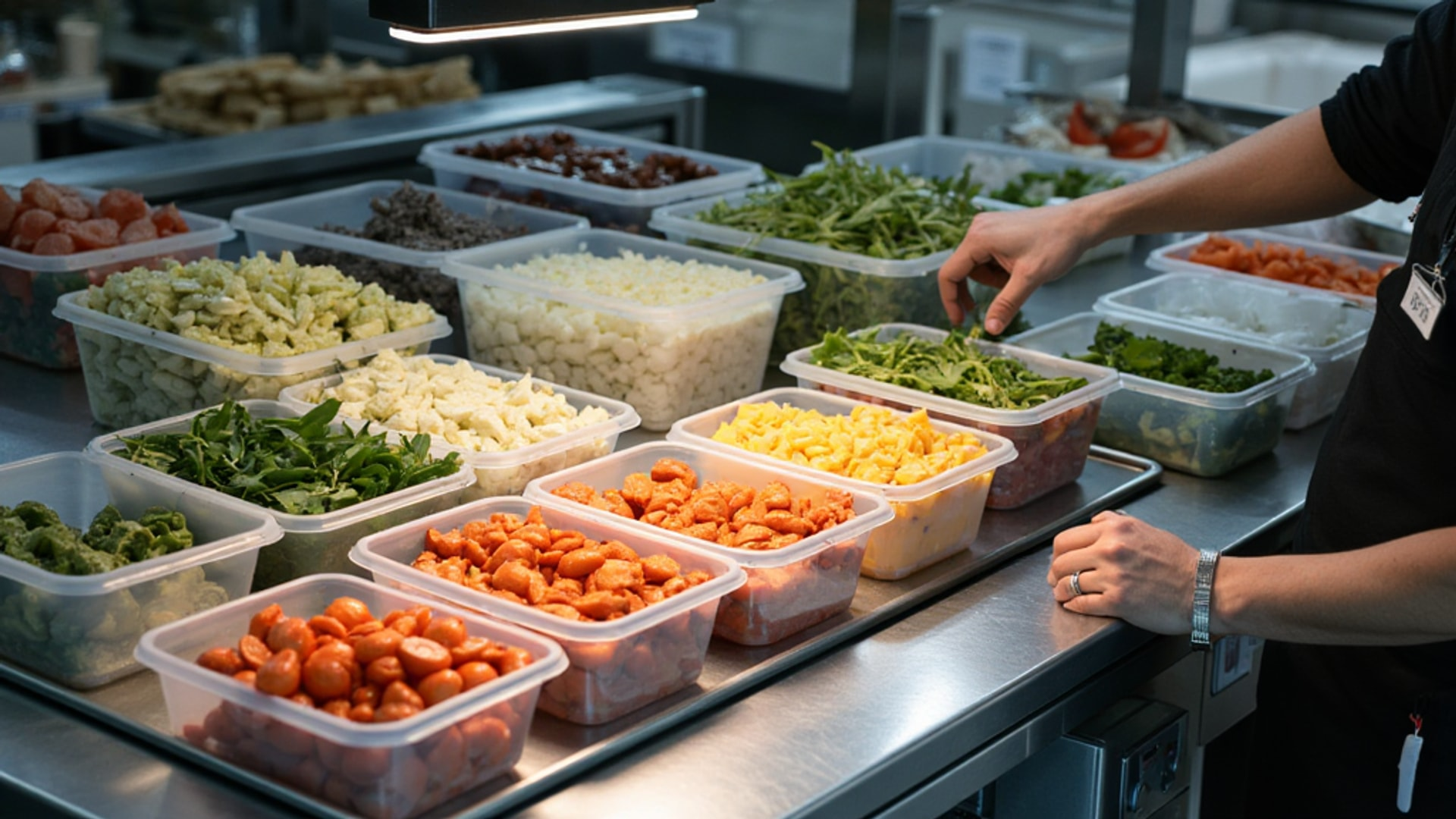
According to both CHEF’STORE and Paris Gourmet, grouping similar prep tasks minimizes equipment changes and reduces downtime. Chop all the vegetables at once. Portion all the proteins together. Run all the doughs through the mixer back-to-back.
According to Paris Gourmet, scheduling prep during off-peak hours allows staff to work without the pressure of active service, improving both quality and speed.
Station Organization and Mise en Place
According to Paris Gourmet, keeping tools and ingredients within reach is essential during prep and service. The article recommends:
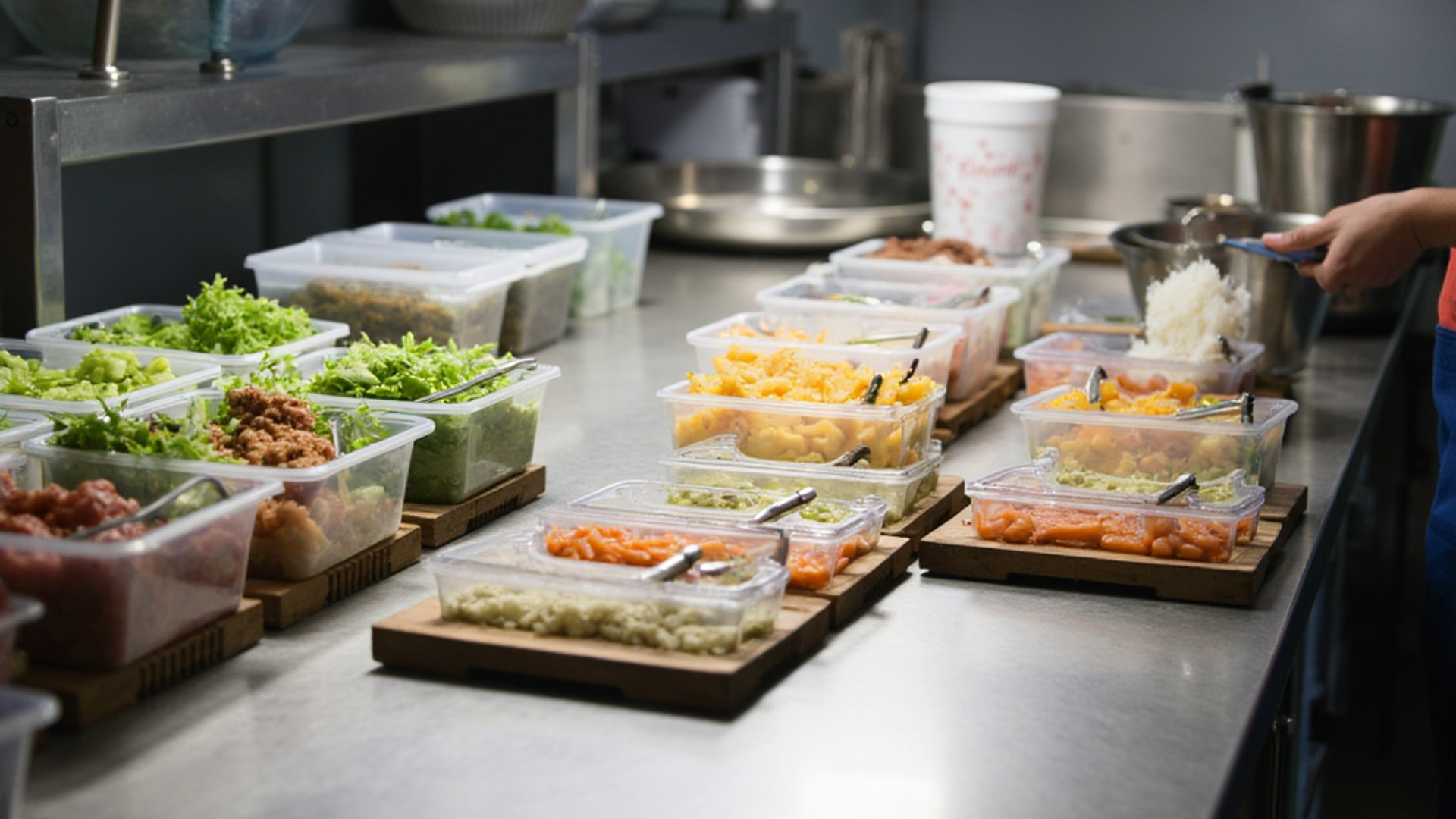
- Using labeled containers for all prepped ingredients
- Cleaning continuously throughout the shift rather than saving cleanup for the end
- Maintaining organized stations that reduce movement and prevent cross-contamination
A cluttered station slows down every task. When a cook has to search for tongs, dig through a container to find the right ingredient, or work around dirty cutting boards, every ticket takes longer. Mise en place — everything in its place — is not just a culinary school mantra. It is an operational necessity.
Sharp Knives as Foundation
According to Paris Gourmet, high-quality, sharp knives improve prep speed, ensure consistency in cuts, and reduce waste. Dull knives slow down work, produce uneven cuts that affect cooking times, and increase injury risk because staff must apply more force. Knife maintenance should be a daily practice, not an afterthought.
The FIFO Principle
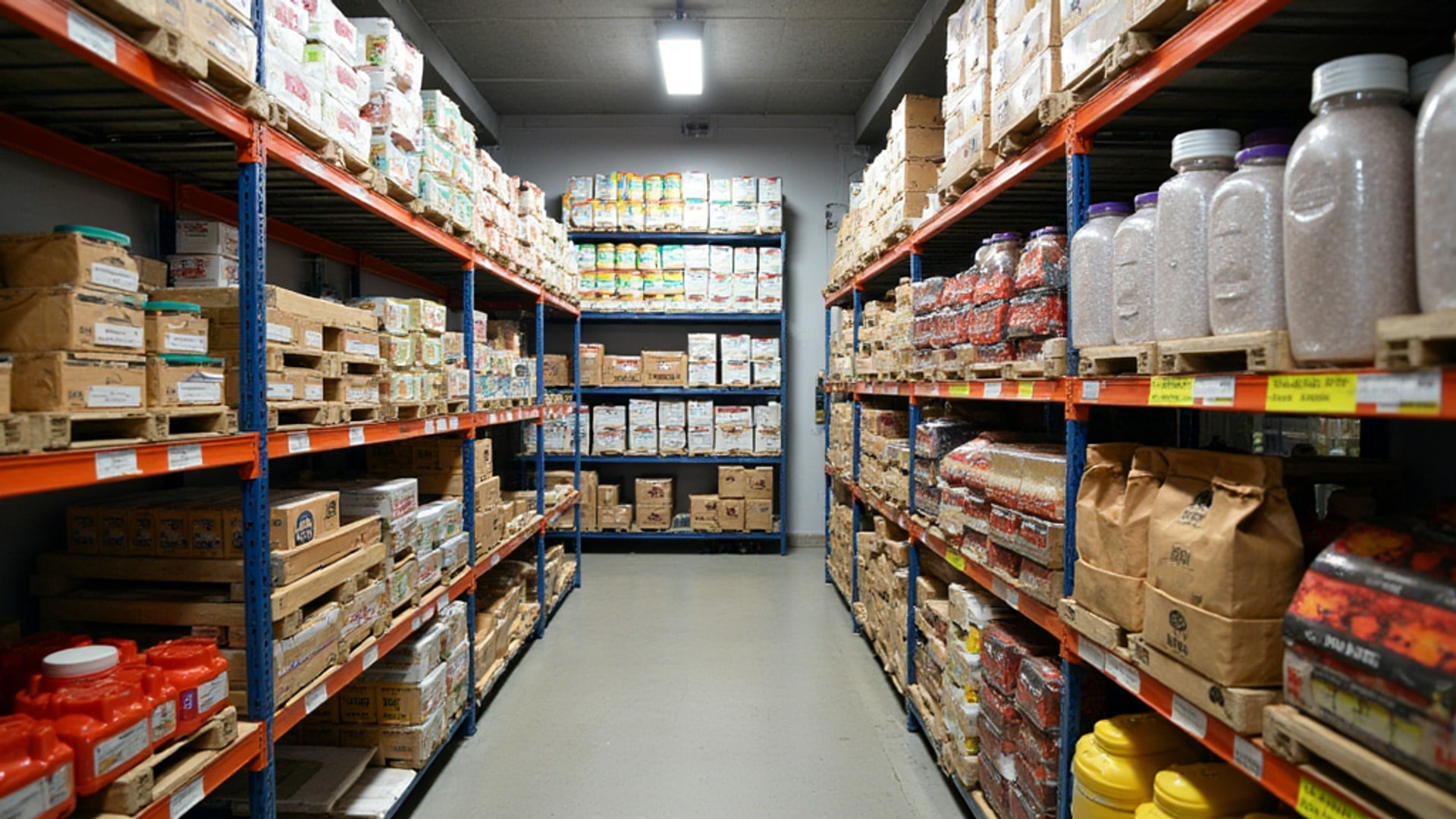
First In, First Out is the foundational inventory practice. According to Paris Gourmet, older stock is used before newer deliveries. This rotation system reduces spoilage, saves money, and maintains food safety.
According to Paris Gourmet, the system only works when labeling is consistent and staff are trained to follow it. Every prepped item should carry:
- Item name
- Prep date
- Use-by date
Without disciplined labeling, FIFO breaks down. New deliveries get stacked in front of older stock. Ingredients expire in the back of the walk-in. Money gets thrown in the trash.
→ Read more: Kitchen Inventory Par Levels: Build the System That Prevents Stockouts
Cleaning as Operations
Cleaning is not something that happens after operations — it is part of operations. A structured cleaning program broken into daily, weekly, and monthly tasks is the foundation of both health code compliance and kitchen efficiency.
Daily Cleaning
- All work surfaces sanitized
- Cooking equipment cleaned after use
- Grease traps and filters addressed
- Dishwashing station maintained
- Refrigerator temperatures checked and logged
- Floors swept and mopped
- All garbage removed
Weekly Deep Clean
- Oven interiors scrubbed
- Complete refrigerator cleanout
- Deep fryer boil-outs
- Ventilation hood degreasing
- Storage areas reorganized
Monthly Maintenance
- Exhaust ductwork inspection
- Door gasket inspection and replacement
- Filter replacement across all equipment
- Plumbing checks
- Equipment calibration
- Professional pest control service
Making It Work
According to the topic synthesis, the implementation matters as much as the schedule. Training should explain the reasoning behind each task, not just the procedure. Staff who understand why they are cleaning a condenser coil — because dirty coils make the compressor work harder, waste energy, and shorten equipment life — are more likely to do it thoroughly.
Digital checklist tools like Jolt enable task assignment, real-time tracking, and accountability through sign-off requirements. Rotating cleaning responsibilities prevents burnout and ensures cross-training.
Waste Management: Turning Trash Into Savings
The Scale of the Problem
According to Performance Food Service, the EPA estimates that 60-80% of all restaurant garbage is food waste. A single full-service restaurant generates over 2,000 pounds of disposed waste per week. That is not just an environmental problem — it is a financial one.
A Systematic Approach to Waste Reduction
According to the topic synthesis, a comprehensive waste reduction program includes:
- Systematic waste auditing to identify where discarding occurs
- Multi-use menu items that share ingredients across dishes
- Accurate demand forecasting using POS data to prevent over-preparation
- Creative repurposing of surplus ingredients (vegetable scraps become stock, day-old bread becomes croutons)
- Right-sized portions based on plate waste data
- Weekly specials featuring items that need immediate use
Composting
According to Performance Food Service, composting programs offer both environmental and financial returns.
Acceptable materials: Fruits, vegetables, bread, pasta, eggshells, coffee grounds, non-dyed paper products, cardboard.
Do not compost: Meat, dairy products, cooking grease, diseased plants, glossy printed paper, produce stickers.
For restaurants where on-site composting is impractical, according to Performance Food Service, many waste management companies now provide organic waste collection alongside standard trash service. Local community gardens and composting facilities may also accept restaurant food waste.
Making Composting Succeed
According to Performance Food Service, a composting program succeeds or fails based on employee engagement. Training should cover what goes in each waste stream, where bins are located, and why proper sorting matters. Including composting protocols in the employee handbook creates accountability.
Communication and Team Culture
Efficient kitchens depend on clear communication systems. According to the topic synthesis, effective practices include:
- A single designated communication liaison between FOH and BOH during service
- Bidirectional menu knowledge — servers understand ingredients and allergens, kitchen stays informed about specials and 86’d items
- KDS systems, two-way radios, and inventory management software providing infrastructure
- Inventory transparency preventing the embarrassment of selling items the kitchen has run out of
Building a High-Performance Culture
According to the topic synthesis, high-performing kitchen teams share cultural elements beyond communication:
- Competitive efficiency challenges that make productivity engaging
- Precise inventory tracking that prevents costly emergency purchases
- Regular communal meals that strengthen team bonds in an industry with high turnover
A kitchen that eats together, competes together, and takes pride in its numbers together runs better than one held together only by authority.
Efficiency Metrics to Track
| Metric | What It Measures | How to Improve |
|---|---|---|
| Prep time per item | Labor efficiency in prep | Better prep sheets, batch strategies |
| Food waste percentage | Waste relative to food purchased | FIFO, demand forecasting, menu design |
| Ticket time average | Speed of service | Station organization, communication |
| Ticket time variance | Consistency of service | Standardized procedures, cross-training |
| Food cost percentage | Actual vs. target food cost | Portioning, waste reduction, vendor negotiation |
| Covers per labor hour | Labor productivity | Scheduling optimization, batch prep |
The Bottom Line
Kitchen efficiency is a system, not a single tactic. It combines structured prep sheets that tell every cook exactly what to do, batch cooking strategies that maximize labor during slow periods, FIFO discipline that prevents food waste, cleaning routines that maintain equipment and pass health inspections, waste management programs that turn garbage into savings, and a communication culture that keeps the team aligned.
According to Performance Food Service, every dollar invested in waste reduction returns approximately eight dollars in savings. According to CHEF’STORE, standardized prep sheets and batch cooking transform chaotic kitchens into systematic production operations. These are not theoretical improvements — they are measurable changes that show up in your food cost percentage, your labor efficiency, and your bottom line.
Build the systems. Train the team. Track the numbers. Kitchen efficiency is not about working harder — it is about working smarter, consistently, every single day.
→ Read more: Sustainable Kitchen Operations: Waste Reduction, Energy Savings, and Green Practices
→ Read more: Kitchen Waste Composting: Building a Restaurant Program That Saves Money and Reduces Landfill Impact