· Marketing · 8 min read
Restaurant Content Marketing: Blogging, Storytelling, and Building Authority
How restaurants can use content marketing, blogging, and storytelling to build long-term organic reach and customer trust.
Most restaurant operators think about marketing in terms of ads, promotions, and social posts. Content marketing asks a different question: what if your restaurant became the most useful, interesting source of information in your neighborhood? That shift in thinking is worth more than most paid campaigns over the long run.
Content marketing is not about going viral. It is about building assets that keep working after you stop paying for them.
Why Restaurants Underinvest in Content
The restaurant industry runs on urgency. There is always a service to prepare for, a vendor issue to resolve, or a staff shortage to cover. Long-form content creation feels like a luxury reserved for brands with dedicated marketing departments.
But the economics make a compelling case. A well-written blog post costs a few hours of effort and then attracts search traffic indefinitely. A paid ad stops the moment you stop funding it. As Salt & Roe notes in their content strategy guide, blog content creates permanent, search-discoverable assets unlike ephemeral social media posts that disappear from feeds within hours.
The difference matters enormously for local restaurants. When someone searches “best Italian brunch near downtown” or “where to eat on date night in [your city],” they are not scrolling Instagram — they are on Google. Content gets you found in those moments.
The Content Strategy Framework
A content strategy is more than a list of blog ideas. According to Salt & Roe’s analysis, the best strategies focus on the specific platforms and formats that deliver ROI rather than spreading budget thin across every available trend.
Start by defining your purpose. Content for a neighborhood bistro serves different goals than content for a catering-forward event venue. A bistro might focus on local neighborhood guides and seasonal menu stories. A private dining venue should be building SEO content around “private dining rooms [city]” and “event venues [neighborhood].”
Then define your channels. Not every restaurant needs a blog, a newsletter, a YouTube channel, and a podcast simultaneously. Most independent restaurants are better served by one well-executed format than four mediocre ones.
Choosing Your Blog Topics
The most effective restaurant blog topics fall into a few reliable categories:
Menu stories. Where does that dish come from? Why does your chef make the broth the way they do? What ingredient sourcing decision went into the charcuterie board? Customers who understand the “why” behind the menu are more connected to it and more likely to recommend it.
Chef and team profiles. Your people are your brand. An interview with your head bartender about their philosophy on citrus-forward cocktails is far more compelling than another “we love our community” post. Personal stories create emotional connection.
Ingredient sourcing features. Customers increasingly value transparency in ingredient sourcing. A detailed post about your farm partnerships, the local cheesemaker you use, or your policy on sustainable seafood builds trust and provides legitimate SEO content around terms like “[city] farm-to-table” or “sustainable restaurant [neighborhood].”
Seasonal menu previews. Before each seasonal menu launches, publish a preview post. What inspired the direction? What dishes are you most excited about? This creates anticipation and generates organic search traffic from people planning ahead.
Local neighborhood guides. A post titled “Best Things to Do Before or After Dinner in [Your Neighborhood]” serves dual purposes: it provides genuine value to visitors planning an evening, and it positions your restaurant as the cultural anchor of that area. These guides rank well and attract the exactly the kind of pre-dinner research traffic you want.
Cooking technique features. How do you make pasta from scratch? What is the secret to your crispy skin on the duck? Educational content builds authority and satisfies the audience segment that wants to understand technique. They share these posts because they want to impress friends with the knowledge.
The Repurposing Multiplier
Here is where content marketing becomes genuinely efficient. Salt & Roe makes the key observation that getting creative with 17 ways to tell one story is more impactful than telling 17 different stories.
A single dish story — say, the origin of your signature paella — can generate:
- A long-form blog post covering the recipe’s history and your chef’s interpretation
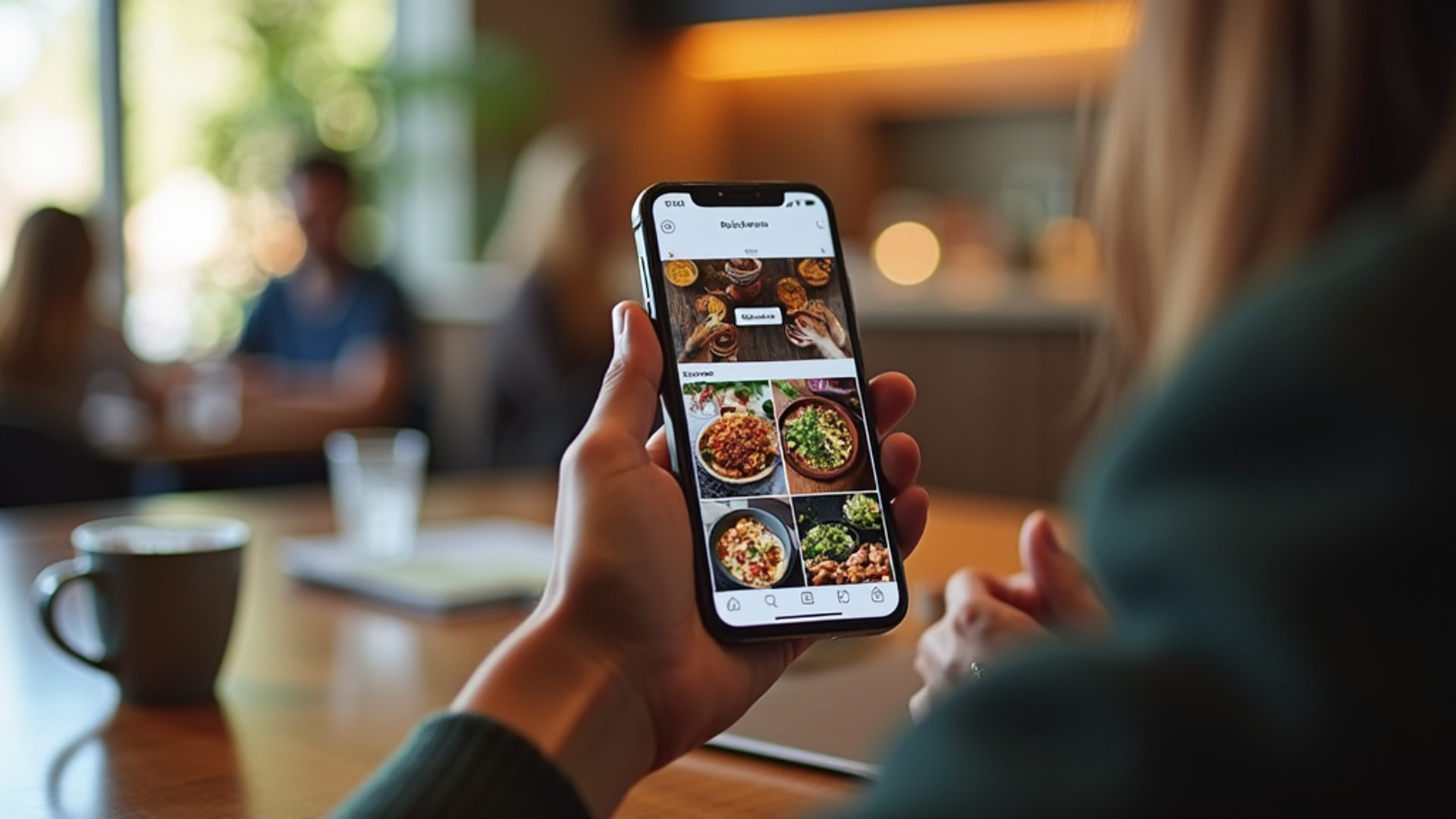
- A series of three Instagram carousel slides pulling the best quotes and images from the post
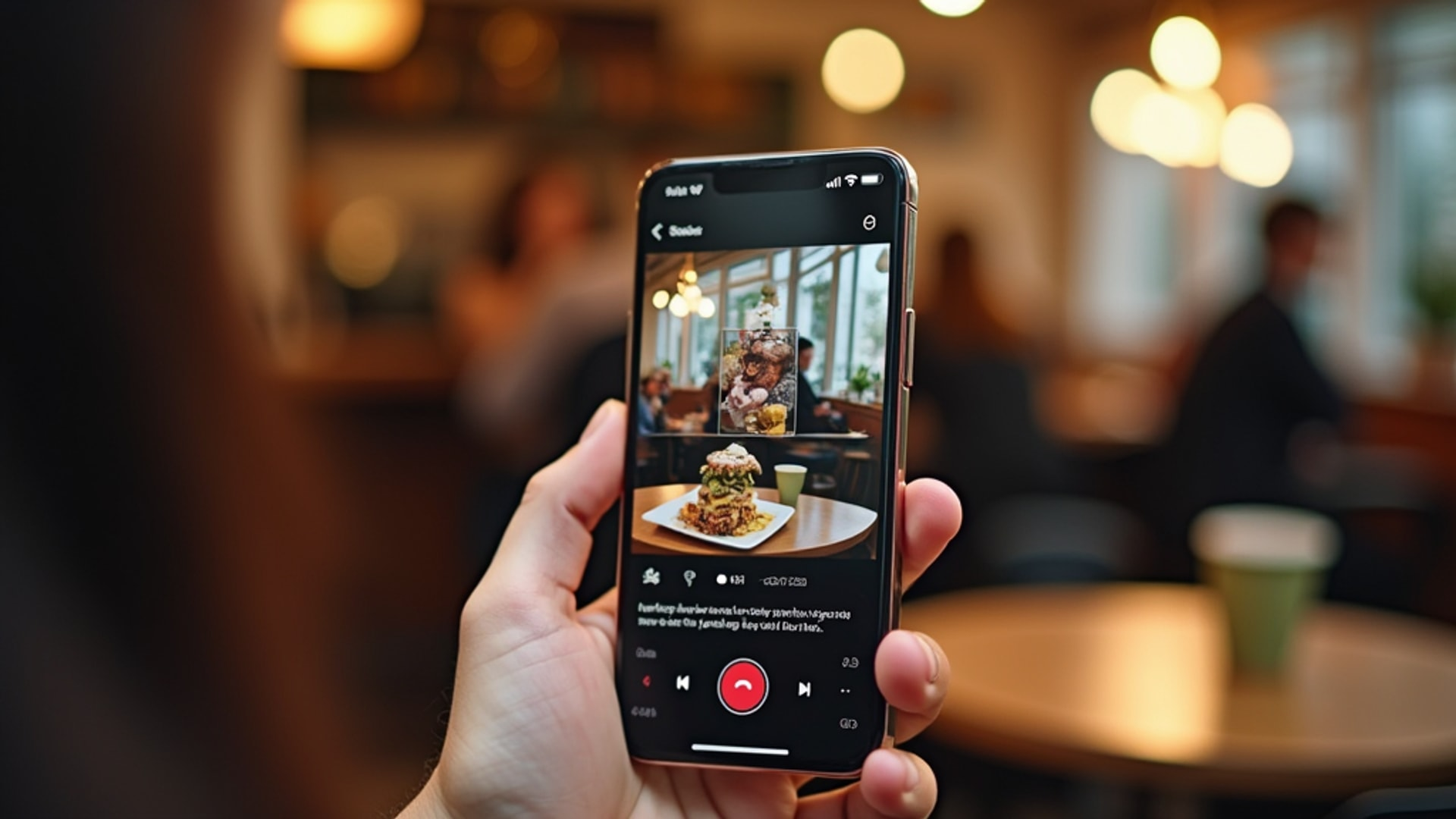
- A 60-second TikTok or Reel showing the preparation process
- A newsletter paragraph introducing the dish with a link to the full post
- A Google Business Profile photo post featuring the dish with a description
- A caption for the dish photo on your menu page
That is six pieces of content from one core story. Each lives on a different platform, reaches a different segment of your potential audience, and has a different shelf life. The blog post might attract search traffic for years. The TikTok might spike in the first 48 hours and fade. Together, they cover the full spectrum.
The SEO and Content Synergy
Content marketing and local SEO are not separate strategies — they reinforce each other. Salt & Roe makes the connection explicit: content supports SEO goals, and SEO amplifies content reach. They reinforce each other.
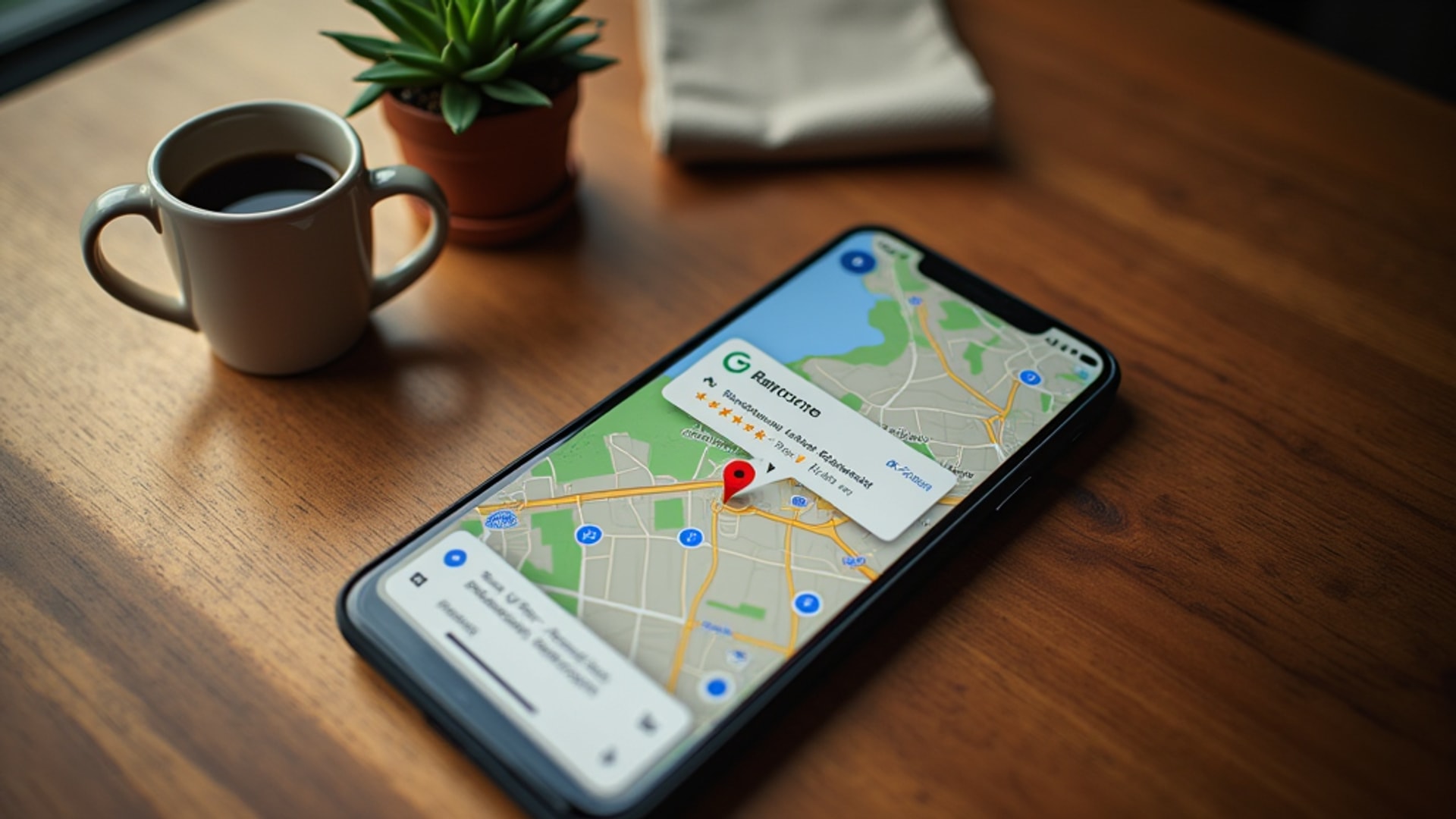
A practical example: you create a dedicated page for weekend brunch. A related blog post elaborates on the brunch story, features your signature Bloody Mary, and links back to the brunch reservation page. Your Google Business Profile posts photos of brunch dishes with descriptions that include the phrase “Saturday brunch [neighborhood].” All three pieces work together to capture every search intent around that offering — from the general “brunch near me” to the specific “best eggs benedict in [city].”
Think of your content as a web. Each piece links to related pieces. Blog posts link to menu pages. Menu pages link to reservation flows. A well-constructed content web captures users at every stage of their dining decision.
Setting Up a Content Calendar
A content calendar is the operational backbone of consistent content production. Without it, content marketing degenerates into sporadic bursts of activity when someone on the team has time, followed by long silences.
The calendar should be organized around your restaurant’s natural rhythms:
- Seasonal menu changes (typically quarterly) anchor four major content pushes per year
- Holiday periods — Valentine’s Day, Mother’s Day, Thanksgiving — require advance content six to eight weeks out
- Local events and festivals in your neighborhood provide natural content hooks
- Slower business periods are good targets for educational content that builds authority without requiring immediate action
Aim for at minimum one blog post per month. Two per month is a healthy rhythm for a restaurant with genuine content ambitions. More than that becomes difficult to sustain without dedicated resources, and quality matters far more than volume.
Storytelling That Builds Trust
Storytelling is the operating principle behind effective restaurant content. Salt & Roe identifies the core insight: sharing experiences lets customers make their own purchasing decisions. When you tell the story of where your coffee comes from, customers connect with that story and feel a part of it when they order. You are not persuading them — you are informing them and letting them opt in.
The most trusted restaurant content feels like a mentor sharing knowledge, not a brand selling a product. This means:
Specific over generic. “Our chef grew up making this with her grandmother in Oaxaca” beats “made with family recipes and love” every time. Specificity signals authenticity.
Honest over polished. Content that acknowledges challenges, experiments, and the learning process resonates more than content that presents a relentlessly perfect image. People follow humans, not brand voices.
Curious over promotional. Ask questions your readers actually want to answer. “What makes a great Negroni?” lands differently than “Our Negroni is the best in town.” One invites engagement; the other invites skepticism.
Measuring Content Performance
Content marketing works on a longer timeline than paid advertising, but it is still measurable. The metrics that matter most for restaurant content:
Organic search traffic to the blog and menu pages. Google Search Console shows which queries are driving clicks, which articles are ranking, and what opportunities exist for new content.
Time on page — tracked through Google Analytics — indicates whether readers are actually engaging with content or bouncing immediately. Longer time on page correlates with higher trust and eventual conversion.
Conversion from content. How many blog visitors click through to make a reservation, explore the menu, or sign up for the email list? Even indirect conversion attribution gives a sense of content’s commercial impact.
Newsletter signups driven by content. A well-maintained email list built through content marketing has long-term compounding value.
→ Read more: Restaurant Website Conversion: Turn More Visitors into Paying Guests
Getting Started Without Overwhelm
If content marketing is new to your operation, start small and build consistency before scale. One article per month, written well, beats four mediocre posts in a week followed by two months of silence.
Start with your restaurant’s best story. What is the thing you most want potential customers to know before they visit? That is your first post. Then build from there, following your seasonal calendar and letting the content web grow naturally over time.
Authority in search and trust with customers are not built in a campaign. They accumulate post by post. The restaurants that start now will have a real organic presence in two years while competitors are still paying for every single click.
→ Read more: Video Marketing for Restaurants: YouTube, Reels, and Short-Form That Drives Reservations → Read more: Social Proof for Restaurants: Building the Trust That Fills Dining Rooms