· Marketing · 7 min read
PR and Media Outreach for Restaurants: How to Earn Coverage That Money Can't Buy
A practical guide to building journalist relationships, pitching compelling stories, and earning the kind of coverage that fills dining rooms and builds lasting credibility.
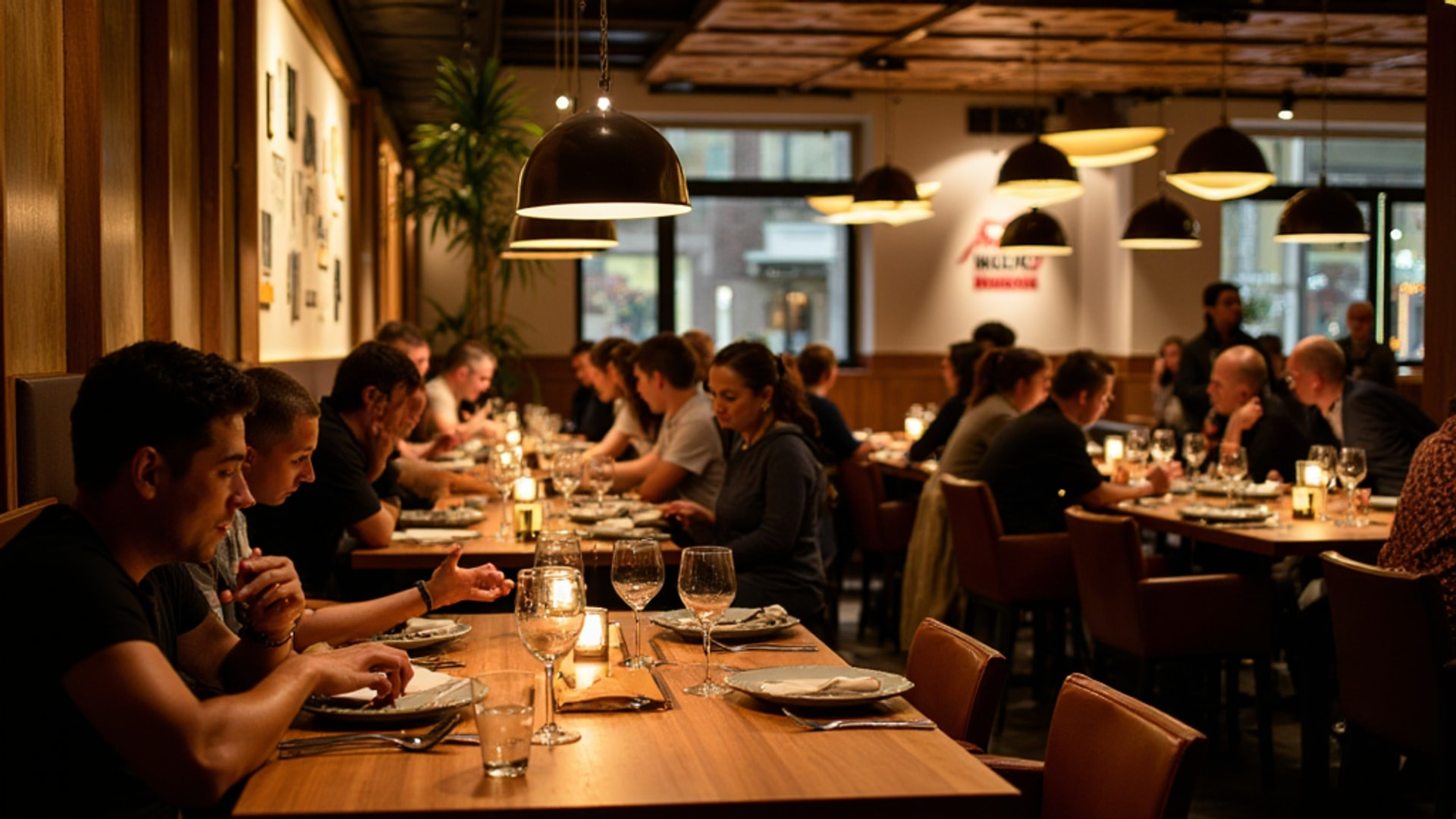
According to UpMenu, a single feature story in a respected local publication often provides more value than multiple brief mentions. Earned media — coverage that journalists choose to write about you rather than content you pay for — carries a level of credibility that no advertising budget can replicate. When the city’s food critic says your pasta is worth a drive across town, that converts readers into guests in a way that a paid Instagram ad never will.
Most independent restaurants never pursue PR because it feels like something only large chains or PR agencies do. This guide shows you that systematic media outreach is accessible to any operator willing to invest in relationships and storytelling.
Understanding What PR Actually Is
Restaurant public relations is the strategic process of building positive relationships with journalists, editors, bloggers, and food critics to secure earned media coverage. Unlike paid advertising, PR focuses on earning media coverage through compelling storytelling and relationship building.
Three types of coverage matter for restaurants:
Traditional media: Local newspapers, city magazines, TV food segments, radio dining shows. High credibility, aging but still-influential audience, often drives significant foot traffic.
Digital media: Online food publications, city lifestyle blogs, food-focused news sites. Fast-moving, shareable, often drives social media engagement.
Influencer and event PR: Coverage generated through influencer partnerships, restaurant openings, collaborations, and press events. Reaches social media-native audiences directly.
Building Your Media Contact List
The foundation of PR is knowing who covers food in your market. This research is a one-time investment that pays dividends for years.
How to build your media list:
- Search your city + “food” + “restaurant review” + “dining” in Google
- Read the last 6 months of food coverage in your local newspaper, alternative weekly, and city magazine
- Note who writes food and dining content on each publication
- Find their contact information (usually available on the publication’s website)
- Follow them on Twitter/Instagram and observe what they cover and what interests them
- Identify 3-5 local food bloggers with genuine engaged audiences (not just high follower counts)
UpMenu’s guidance on media outreach starts with a point that sounds obvious but is routinely ignored: identify the right publications and journalists aligned with your brand. A farm-to-table restaurant should be pitching to writers who cover sustainability and local sourcing. A new ramen shop belongs in front of writers covering Asian cuisine and new openings. Mismatched pitches are ignored.
Your initial media list should include:
- 2-3 local newspaper food writers
- 1-2 city magazine editors
- 2-3 online food publication contributors
- 3-5 local food bloggers/social media creators
- 1-2 TV morning show producers (for segment opportunities)
- Local food-focused radio personalities if your market has them
News Hooks: Creating Reasons for Coverage
Successful PR campaigns are anchored to natural news hooks. Journalists do not write about restaurants that simply exist and serve food. They write about restaurants that have something new to say.
Strong news hooks for restaurant PR:
| Hook | Why Journalists Cover It |
|---|---|
| New restaurant opening | Standard local beat coverage |
| New chef appointment | Changes the food story |
| Significant menu overhaul | New angle on an existing story |
| Restaurant anniversary (5th, 10th, 25th) | Longevity is itself a story in the restaurant industry |
| Award recognition | Third-party validation is news |
| Community initiative or charity partnership | Social impact story |
| Unique cooking technique or sourcing story | Educational interest |
| Celebrity or notable visitor | Social proof amplification |
| Record-setting or unusual achievement | Inherent interest |
Maintain a PR calendar that maps these opportunities throughout the year. Your spring menu launch, your 3-year anniversary, your sourcing partnership with a local farm — all of these are legitimate pitches if framed correctly.
Crafting the Pitch
The single biggest mistake in restaurant PR is sending a generic press release to every journalist on the list with a “please cover us” tone. Journalists receive dozens of pitches per day. The ones that get coverage are specific, relevant, and make the journalist’s job easier.
Anatomy of an effective pitch email:
Subject line: Specific and curiosity-generating. “Local farmer’s entire winter harvest — now on one menu” beats “Press release: new spring menu at Restaurant Name.”
Opening sentence: Lead with the most interesting thing. The unusual fact, the compelling detail, the single sentence that makes a journalist stop scrolling.
Paragraph 1: The core story in 3-4 sentences. Who you are, what is new or interesting, why readers will care.
Paragraph 2: Supporting detail. The numbers, the anecdote, the specific detail that makes the story real.
Paragraph 3: The offer. An invitation to visit, sample the menu, interview the chef, attend a press event.
Closing: Clear next step, contact information, and brief restaurant details.
Total length: 200-300 words maximum. Long pitches are not read.
The Press Event: Inviting Journalists to Experience the Story
For major announcements — a significant menu launch, a new chef, a notable anniversary — a press event is more effective than a written pitch.
Running an effective press dinner or preview:
- Invite 8-12 media contacts and local food influencers
- Serve 4-6 dishes that represent the new direction or highlight the news hook
- Have the chef present to answer questions and explain the food
- Provide a press kit: brief restaurant history, chef bio, high-resolution food photos
- Keep it under 2 hours out of respect for busy schedules
- Follow up within 48 hours with a thank-you email and any additional materials requested
The Portland Valentine’s menu preview cited by SPNDL POS — 8 influencers, 31 posts, 280,000+ impressions, 47 direct reservations — shows what this format can produce. It is a content production event as much as a PR event.
→ Read more: Restaurant PR and Influencer Marketing: How to Earn Attention That Drives Visits
Brand Storytelling: The Foundation of All PR
Brand storytelling is the foundation of all restaurant PR. Every restaurant has a narrative — the founder’s culinary journey, the inspiration behind a specific cuisine focus, the historical significance of the building, the sourcing philosophy.
This story is what differentiates you from every other restaurant competing for the same press coverage. Generic restaurants — good food, good service, convenient location — are not interesting to journalists. Restaurants with a story are.
Questions to excavate your story:
- Why did you open this restaurant, and why this cuisine?
- What is unusual or specific about your sourcing or preparation?
- Is there a family history, a cultural tradition, or a personal journey behind the food?
- What problem are you solving for diners that no one else addresses?
- What do you believe about food that most restaurants disagree with?
The answers to these questions are your PR material. Craft them into a 3-4 sentence brand narrative that you can use across all media interactions.
Measuring PR Effectiveness
Measuring PR effectiveness requires tracking both quantitative and qualitative factors:
Quantitative metrics:
- Number of media mentions per quarter
- Total estimated reach of coverage (sum of publication circulation/website traffic)
- Website traffic spikes following coverage (track via Google Analytics)
- Reservation inquiry volume following significant press
Qualitative assessment:
- Coverage tone (positive, neutral, negative)
- Accuracy of key message inclusion (does the coverage say what you intended?)
- Publication quality and audience alignment
- Sustained relationship with the journalist (will they cover you again?)
A single well-placed feature in a respected local publication — let us say the city magazine’s annual “Best New Restaurants” list — can drive reservations for an entire year. That is the return PR offers when done systematically and patiently.
Building Long-Term Media Relationships
The most effective restaurant PR programs are built on genuine, long-term relationships with journalists. This means:
- Following their coverage and commenting thoughtfully (not just when you need something)
- Responding helpfully when they reach out for expert comment on industry stories
- Inviting them in seasonally, not only when you have something to announce
- Being honest about problems, not just victories (journalists respect honesty)
- Making their visits easy with no pressure, no expectations, and excellent hospitality
A journalist who genuinely loves eating at your restaurant will find ways to mention you — in seasonal roundups, in “where to eat this weekend” lists, in answers to reader questions. That unpaid, ongoing endorsement is the most valuable marketing asset you can build. No ad budget competes with it.
→ Read more: Restaurant Crisis Communication: Managing Negative Press and Online Backlash → Read more: Social Proof for Restaurants: Building the Trust That Fills Dining Rooms → Read more: Content Marketing: Blogging, Storytelling, and Building Authority