· Menu & Food · 11 min read
Digital Menus, QR Codes, and Off-Premise Menu Strategy
75% of restaurants worldwide now use QR code menus, and takeout has become a permanent revenue channel. Here is how to implement digital menus, optimize for delivery, build profitable specialized menus, and test new items before committing.
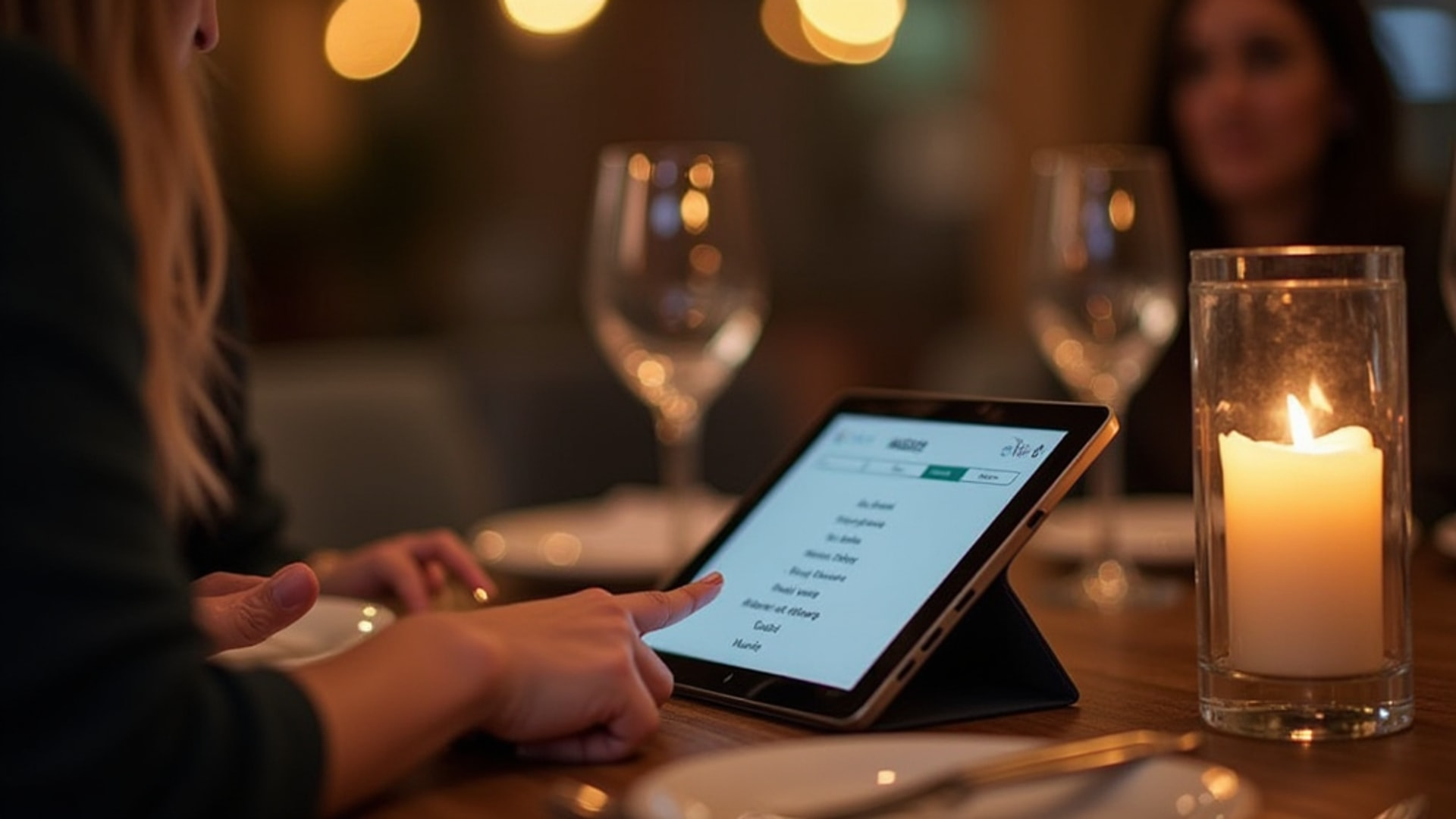
The restaurant menu is no longer a single printed document. It is a multi-channel system that spans physical menus, QR-linked digital experiences, third-party delivery platforms, and specialized formats for desserts, kids, and takeout. Each channel has different design requirements, different guest behaviors, and different profit dynamics.
→ Read more: QR Code and Digital Menu Adoption: What Operators Need to Know in 2025
According to Supercode, approximately 75% of restaurants worldwide now use QR codes for digital menus, and 57% of companies are increasing their QR code investments. What began as a pandemic-era necessity has evolved into a permanent operational tool. Meanwhile, takeout and delivery have become permanent revenue channels that require their own menu strategy.
This guide covers everything you need to know about digital menus, off-premise optimization, specialized menu formats, and how to test new items before they reach your guests.
QR Code Menus: Implementation and Benefits
How They Work
The implementation is straightforward. According to Supercode, the process involves four steps:
- Generate a dynamic QR code linked to a digital menu platform
- Place the code on table tents, stands, or surface decals
- Guests scan with their smartphone camera — no app download required
- Present a mobile-optimized menu with images, descriptions, and pricing
The critical word here is “dynamic.” Dynamic QR codes, as opposed to static ones, allow you to change the underlying menu content without reprinting the physical code. This means you can update prices, add daily specials, and remove sold-out items instantly.
Cost Savings
According to Supercode, digital menus eliminate recurring printing costs that accumulate with every price change, seasonal update, or menu redesign. If you are currently reprinting menus quarterly, the savings add up quickly.
QR code menu platforms start at approximately $29 per month, according to Supercode. The investment typically pays for itself after eliminating one print cycle. More comprehensive platforms with ordering, payment, and analytics features cost more but deliver proportionally greater operational savings.
Operational Benefits
Beyond cost savings, digital menus deliver several operational advantages:
- Real-time flexibility — update prices, add specials, and remove sold-out items instantly without any physical changes
- POS integration — ensures menu accuracy and reduces ordering errors
- Faster table turnover — guests can browse the menu immediately upon seating without waiting for a server to deliver physical menus
- Reduced server touchpoints — staff focus on hospitality rather than order-taking logistics
Customer Data Collection
According to Supercode, 95% of businesses report that QR codes help them collect valuable first-party customer data on preferences, ordering patterns, and visit frequency. This data enables targeted marketing, personalized promotions, and loyalty program integration.
One restaurant chain achieved a 458% increase in monthly Google reviews by incorporating review prompts into their QR code experience, according to Supercode. That kind of data and feedback loop is simply not possible with a printed menu.
Consumer Adoption
The adoption numbers are encouraging. According to Supercode, 59% of smartphone users scan QR codes daily, and 61% already engage with QR-powered transactions. Guest resistance to QR menus has largely faded since the pandemic era introduced widespread familiarity.
Design and Placement Best Practices
According to Supercode, QR codes should follow these guidelines:
- Minimum size of 2x2 cm for comfortable scanning distance
- High-contrast colors for reliable recognition across lighting conditions
- Durable materials that resist spills, frequent sanitizing, and daily wear
- Popular placement options: table tents, menu stands, window stickers, receipt holders, and digital displays near the entrance
- Brief instructions next to the code for first-time users
- Test with multiple devices and in different lighting conditions before deployment
Accessibility: Do Not Go Digital-Only
This is critical. According to Supercode, digital-only menus create accessibility barriers for elderly guests, those with visual impairments, and customers without smartphones. You must maintain alternative menu formats:
- Large-print physical menus available upon request
- Staff-assisted ordering for guests who cannot or prefer not to use their phones
- Screen-reader compatible digital menus following web accessibility best practices with adequate text size and color contrast
Going fully digital saves money but excludes guests. The right approach is digital-first with physical backup.
Advanced Integration: Ordering and Payment
According to Supercode, advanced QR code systems enable full tableside ordering where guests submit orders directly to kitchen display systems, add items throughout the meal, and settle the bill through integrated payment processing supporting Apple Pay, Google Pay, and credit cards.
This reduces server touchpoints for ordering and payment while allowing staff to focus on hospitality and the guest experience rather than logistics. For high-volume restaurants, this can meaningfully improve throughput during peak hours.
→ Read more: Digital Menu Psychology: Optimizing Online Ordering for Higher Revenue
Takeout Menu Optimization
Takeout and delivery are no longer afterthoughts. They are permanent revenue channels that deserve their own menu strategy.
Not Everything Travels Well
According to Square, not every dine-in item translates well to takeout. You need to evaluate your menu for items that do not reheat well, become soggy quickly, or have a short shelf life outside the kitchen.
| Travels Well | Travels Poorly |
|---|---|
| Pizza | Fried foods (soggy in transit) |
| Pasta with sturdy sauces | Delicate salads |
| Grilled proteins | Items requiring precise temperature |
| Sealed soups | Dishes with multiple components that need assembly |
| Rice bowls | Anything that steams in a closed container |
According to Square, creating a separate, curated takeout menu focused on travel-friendly items often outperforms simply making the entire dine-in menu available for delivery. This approach also simplifies kitchen operations during dual-channel service.
Digital Presentation for Off-Premise
According to Square, the digital ordering experience must compensate for the absence of in-person sensory cues. When a guest orders in your dining room, they can smell the kitchen, see other tables’ food, and ask their server questions. Online, they have only your menu to go on.
Best practices for digital takeout menus:
- 2-3 high-quality images per item that accurately represent what the customer will receive
- Logical categories with filters for food type, dietary restrictions, and price range
- Mobile optimization ensuring text is concise, images scale properly, and navigation is intuitive
- Clear descriptions listing ingredients, dietary information, and allergy warnings — takeout customers cannot ask a server for clarification
- Customization options through add-ons and substitutions to capture incremental revenue
Packaging Strategy
According to Square, the National Restaurant Association reports that 90% of off-premises customers say they would order a greater variety of items if the restaurant used upgraded packaging that maintains temperature, taste, and quality closer to in-restaurant standards.
Packaging considerations:
- Different items need different solutions — baked goods need airtight containers, hot items require insulated packaging, delicate items need secure padding
- Tamper-proof packaging including sealed bags and security stickers has become an expected standard, according to Square
- Ventilation matters — some items need steam to escape to prevent sogginess, while others need sealed containers to retain heat
Revenue Growth Tactics for Takeout
According to Square, several strategies boost takeout revenue:
- Themed bundles — date night packages, family meal deals, movie night combos encourage higher per-order spending
- Complimentary items — including a dessert sample or branded item in orders creates positive surprise that drives repeat business
- Delivery-specific loyalty programs — points, rewards, and exclusive promotions encourage ongoing ordering
- Quality audits — order your own food for delivery regularly to identify gaps between the promised and actual experience
Specialized Menu Formats
Beyond your core menu and takeout channel, specialized menu formats create additional revenue opportunities.
Kids Menus: Family Traffic and Profit Centers
According to Clover, a well-designed kids menu serves dual purposes: it attracts family diners who might otherwise choose a competitor, and it creates an additional profit center through strategically priced items with low food costs.
Design principles for kids menus:
According to Clover, menu engineering techniques apply to kids menus just as they do to adult menus. Categorize items into Stars (high profitability and high popularity), Workhorses (high popularity but lower margins), Challenges (high margins but low popularity), and Dogs (low on both dimensions).
- Bright colors like red, yellow, and orange trigger appetite, according to Clover
- Clear, easy-to-read fonts with short dish descriptions — children have limited attention spans
- Portion sizes and allergen information clearly displayed for parents
- Disposable menus that double as coloring activities reduce perceived wait times, according to Clover
Food selection strategy:
According to Clover, items should align with the restaurant’s cuisine to streamline kitchen operations and minimize ingredient waste. Prioritize accessible, inexpensive ingredients that maximize margins while minimizing waste from unfinished portions — a common challenge with younger diners.
According to Clover, children need approximately 1,200-1,800 calories daily, making healthy kids meals at roughly 500 calories or less per serving appropriate. The most successful approach balances nutritious options with kid-approved favorites, allowing parents to feel good about the menu while ensuring children actually eat what is ordered.
Environment adaptations:
According to Clover, accommodating families extends beyond the menu: provide high chairs, booster seats, kid-sized utensils, and unbreakable dishware. Pre-meal appetizers like breadsticks or crackers manage hunger while orders are prepared.
Dessert Menus: Pure Incremental Revenue
According to GetSauce, desserts represent pure incremental revenue on top of the main meal. Many desserts are purchased ready-made or require minimal labor, making their contribution to profitability disproportionately high relative to operational cost.
The separate dessert menu advantage:
According to GetSauce, presenting desserts as a separate course after dinner, rather than listing them on the main menu, creates a distinct ordering moment that increases purchase likelihood. This approach works because:
- Guests have already committed to the dining experience and are in spending mode
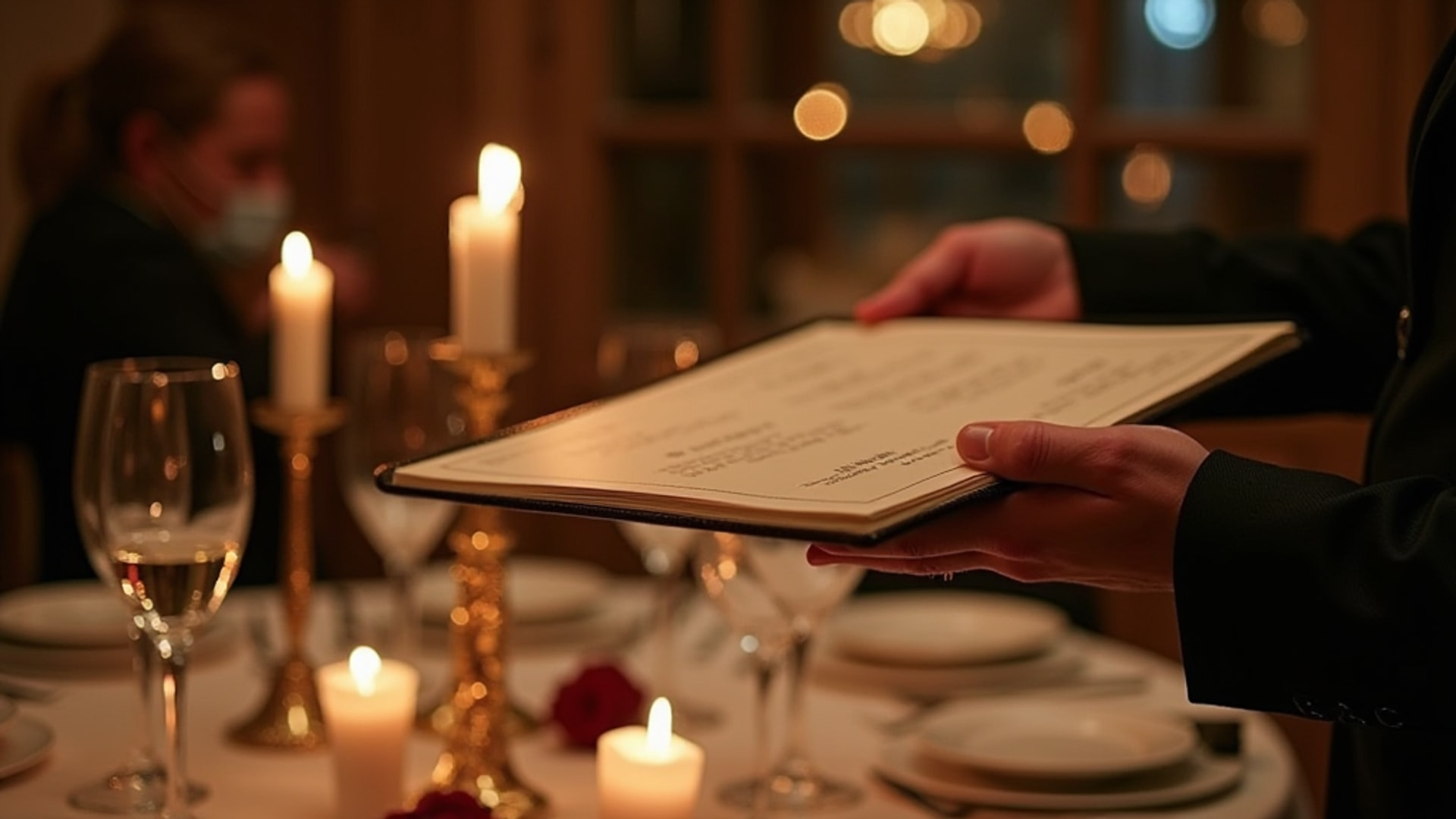
- A physical dessert menu presented by the server creates a new decision point
- The server can make specific recommendations rather than asking the generic “would you like dessert?”
Menu engineering for desserts:
According to GetSauce, desserts should be analyzed through the same menu engineering matrix used for the entire menu. For a typical dessert menu with 3-7 items, the highest-margin items should be listed first, as the top position captures the most attention.
Shareability drives check growth:
According to GetSauce, multi-person desserts reduce the individual commitment barrier while increasing the total check. A table of four that would not each order their own dessert will often share one or two larger items. Seasonal dessert rotations create urgency through limited availability, encouraging impulse ordering.
Operational efficiency:
According to GetSauce, desserts that share ingredients with other menu sections minimize inventory complexity and waste. Items with longer shelf life or those that can be prepped in advance reduce kitchen pressure during peak service.
Menu Testing: Validate Before You Commit
Launching untested menu items risks wasting ingredient costs, confusing your brand, and disappointing guests. A structured testing process reduces this risk.
The Tasting Party Method
According to TouchBistro, the most accessible testing format is the tasting party, where you invite 5-10 guests for recipe evaluation. Key considerations:
- Select participants carefully — include people with open minds who will provide honest feedback
- Include acquaintances brought by friends to reduce the bias from relying solely on close contacts who may soften their critiques
- Draw from outside your existing customer base to get opinions representing the wider public
Collecting Useful Feedback
According to TouchBistro, feedback must be collected immediately after tasting each dish, not at the end of the session when impressions blur together. Effective feedback forms capture:
- Dish name and overall rating
- Taste preferences — what worked and what did not
- Texture assessment
- Appeal evaluation — would the taster actually order this dish?
- Suggested improvements
- Open-ended comments
Internal Evaluation
According to TouchBistro, beyond guest feedback, your team should assess:
- Preparation difficulty and complexity
- Ingredient overlap with existing menu items (cross-utilization potential)
- Cook time relative to kitchen capacity during peak hours
- Cost relative to other dishes and target food cost percentage
Decision Framework
According to TouchBistro, use this framework:
- Universal praise: advance to the final menu
- Mostly positive with one dissenter: acknowledge the feedback while recognizing unanimous approval is unrealistic — proceed with the item
- Universal criticism: revise significantly or eliminate
For timeline, according to TouchBistro, effective tests run for at least one full week to account for daily fluctuations. Significant menu changes require 100-200 orders for statistically meaningful data.
Your Digital Menu Strategy Checklist
- QR code menu implemented with dynamic codes (content can be updated without reprinting)
- Physical menu backup available for accessibility
- Digital menu mobile-optimized and tested on multiple devices
- Separate curated takeout menu focused on travel-friendly items
- High-quality photos for all digital menu items (2-3 per item)
- Tamper-proof packaging for delivery orders
- Kids menu designed with menu engineering principles and age-appropriate presentation
- Separate dessert menu presented as a distinct course after dinner
- New items tested with focus groups or tasting parties before permanent addition
- Quality audits conducted by ordering your own delivery regularly
- Staff trained on describing all menu items across channels
The Bottom Line
The menu is no longer one document. It is a system of interconnected channels — dine-in physical menus, QR-linked digital experiences, takeout-optimized selections, kids menus, dessert menus, and third-party delivery platforms. Each channel has its own design requirements, but they all share the same goal: presenting your food in the most compelling way to drive profitable orders.
Start with the channel that represents your biggest untapped opportunity. If you are still printing menus quarterly, implement QR codes and start saving money immediately. If takeout is growing but your delivery reviews mention soggy food, build a curated takeout menu with proper packaging. If families walk past your restaurant because there is no kids menu, create one with the same menu engineering rigor you apply to your adult menu.
The restaurants that win in this environment are not the ones with the most channels. They are the ones that execute each channel thoughtfully, with the same attention to design, pricing, and guest experience that they bring to every plate that leaves the kitchen.
→ Read more: Takeout and Delivery Menu Optimization: Designing for Off-Premise Success → Read more: Menu Design and Layout: The Visual Psychology That Drives What Guests Order