· Menu & Food · 9 min read
Happy Hour Menu Strategy: Pricing, Timing, and Legal Considerations
How to build a profitable happy hour program with the right menu structure, pricing mechanics, timing strategy, and awareness of legal restrictions that vary by jurisdiction.
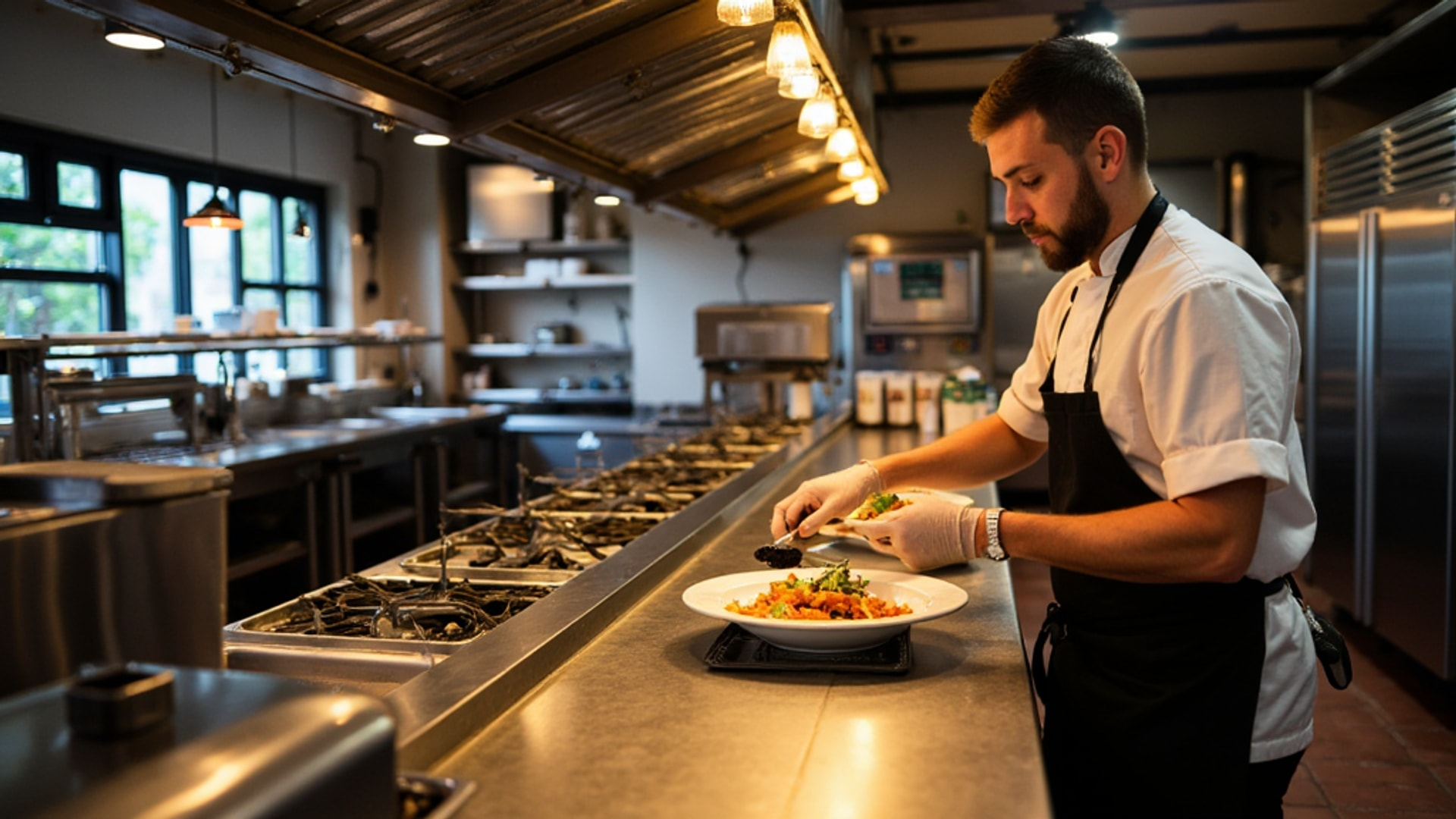
Happy hour is often treated as a discount period that has to be endured to attract foot traffic during slow afternoons. That framing misses what a well-designed happy hour program can actually accomplish. GoFoodservice reports that 40% of consumers attend happy hour at least once a week, and restaurants can earn an estimated 60% of weekly sales from happy hour programs. With beverage margins reaching 70-80% compared to 30-40% on food, happy hour is potentially the highest-margin daypart in the business.
The difference between a happy hour that drains margin and one that builds it is strategic design. Here is how to build a program that generates revenue rather than giving it away.
The Economic Case for Happy Hour
Before getting into execution, the numbers deserve examination. Beverage margins are fundamentally different from food margins. While a well-engineered food dish might achieve 65-70% gross margin, cocktails and beer routinely achieve 75-80% — even after a discount.
Consider a cocktail with ingredients costing $3.50. At full price of $14, the margin is 75%. Offered at happy hour for $9, the margin is 61%. That’s still a stronger margin than most food items at full price. Selling more units at 61% margin generates more profit dollars than selling fewer units at 75% margin.
WISK’s pricing data shows that bars typically target approximately 80% profit margins on alcohol sales overall, with pour cost targets varying by liquor tier: well liquor at 30%, call liquor at 25%, premium at 20%, and super-premium at 15%. Average cocktail prices range from $5 to $15, with the optimal range for standard drinks at $7-10 and $15-plus for premium offerings.
When you discount from these margins with intentionality — cutting prices on items where the margin absorbs the discount, during times when you would otherwise have empty seats — happy hour becomes a volume play that actually improves overall profitability.
The 4:00 PM daypart grew 13% year-over-year in early 2025, driven by consumers seeking value. That growth represents a genuine window of demand that exists whether or not you have a happy hour program. The question is whether you capture it.
Menu Design: Go Beyond the Discount
The most common happy hour mistake is simply marking down the regular menu. This approach trains customers to wait for discounts on items they would have ordered at full price, cannibalizes regular revenue, and communicates nothing interesting about your brand.
Instead, design a happy hour menu that is distinct from your regular offering. Exclusive happy hour-only items are the strongest driver of repeat visitation — customers return specifically to access something they can’t get any other time. This approach avoids the discount-conditioning trap and creates genuine excitement.
The happy hour menu should cover three categories:
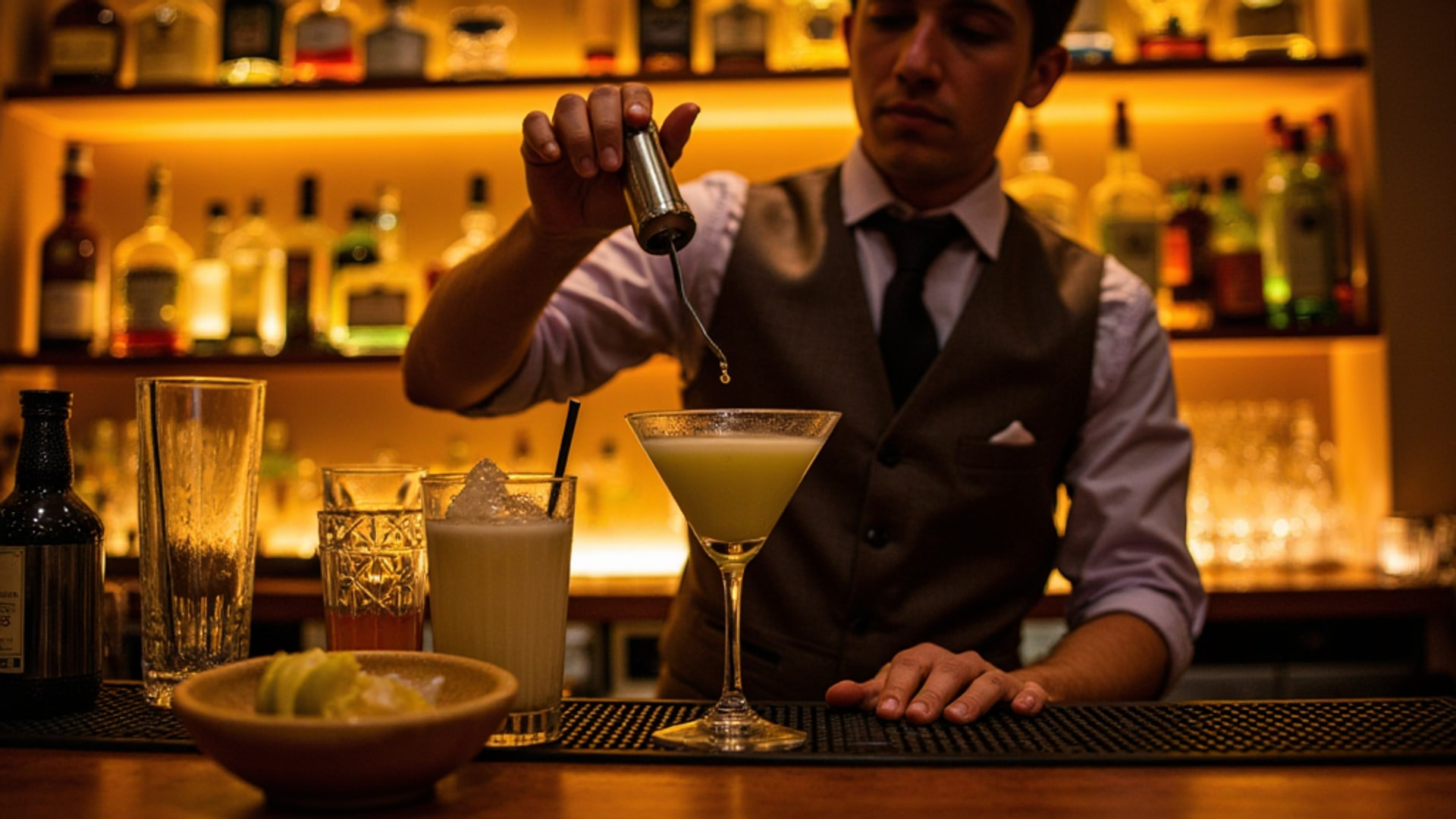
Beverages: This is the engine of the program. Feature three to five drinks at discounted prices, drawn from items with the highest absolute margins even after discounting. Draft beer, house wines, and signature cocktails built with well or call spirits are ideal because they achieve strong margins and high volume. Include at least one or two items that exist only during happy hour — a rotating seasonal cocktail, a special beer collaboration, a house punch.
Small plates and shareable food: Food during happy hour serves dual purposes. It extends customer dwell time (leading to additional drink orders) and provides margin protection when beverages are discounted. The food items should be designed for high margins and fast kitchen throughput — small plates, shareable appetizers, items that can be prepped in advance and finished quickly.
Non-alcoholic options: The non-alcoholic beverage market numbers are significant: the US non-alcoholic beer, wine, and spirits segment reached approximately $1 billion in 2025 with 18% annual growth projected. Ignoring this segment means leaving revenue from designated drivers, sober-curious consumers, and health-conscious diners on the table. Creative mocktails and alcohol-free options priced at $5-8 (compared to $9-12 for alcoholic versions) are increasingly expected, not optional.
Themed Programming and Habit Formation
Themed happy hours by day of the week are one of the highest-leverage tactics for building habitual visitation. Think Taco Tuesday, Wine Wednesday, and Craft Cocktail Thursday — recurring themes that create anticipation and simplify marketing.
The mechanism is habit formation. When customers associate Tuesday with tacos and discounted margaritas at your restaurant, the decision to visit becomes automatic rather than deliberate. You move from competing for a considered dining choice to occupying a scheduled slot in someone’s weekly routine.
Each themed day can feature a rotating selection within the established format. Taco Tuesday doesn’t have to mean the same two tacos every week — the format stays consistent while the specific items rotate, keeping regulars engaged without forcing them to re-learn the concept.
Limited-time offers within happy hour compound the effect. A limited-quantity item — “Tonight’s happy hour feature: 24 servings of our fried burrata, $7” — creates scarcity within the already-time-limited context, driving early arrival and committed attendance.
→ Read more: Bar Menu Creation: Building a Profitable Beverage Program
Cocktail Pricing Mechanics for Happy Hour
Proper cocktail costing is the foundation of a profitable happy hour. The WISK six-step method provides the framework:
- Calculate liquor cost per ounce for each spirit: Bottle Price ÷ Ounces in Bottle
- Set target pour cost by tier (well: 30%, call: 25%, premium: 20%)
- Calculate base drink price: Drink Liquor Cost ÷ Pour Cost in Decimals
- Factor in garnish costs: either individually calculated or as a standardized surcharge per drink
- Add 20% variance for spoilage and waste
- Round to nearest quarter for menu consistency
For happy hour pricing, apply this formula to the standard price first, then determine how much you can discount while remaining above your minimum acceptable margin. A cocktail priced at $13 standard might be offered at $9 during happy hour if the underlying margins support it.
Key: non-alcoholic ingredients require separate accounting. Portion control for mixers, fresh juice yields, and bulk produce costs all contribute to total drink cost and must be tracked individually. A craft cocktail using fresh citrus, handmade syrups, and specialty bitters has a higher ingredient cost than a well whiskey and soda — and that difference must be accounted for before setting happy hour prices.
Timing Strategy: When to Run Happy Hour
Posting social media promotions in early afternoon is evidence-based. People planning after-work activities typically finalize those plans between 1:00 PM and 3:00 PM. Posts timed for 11:00 AM reach people too early; posts timed for 5:00 PM (when happy hour is already running) reach people who’ve already made their plans.
Happy hour windows that work:
- Traditional: 4:00-7:00 PM on weekdays
- Extended: 3:00-6:00 PM (captures early finishers)
- Weekend brunch happy hour: 11:00 AM-2:00 PM (mimosas, bloody marys)
- “Reverse happy hour”: 10:00 PM-midnight (attracts late-night customers)
A 40% discount during happy hour can increase sales by more than 30% per GoFoodservice’s data, but that math only works if the volume increase compensates for the margin reduction. Calculate the crossover point: at what level of incremental customers does the happy hour program generate more total profit dollars than the same period without it? This is your break-even analysis for the program.
Legal Considerations by Jurisdiction
Happy hour regulations vary significantly by state and country, and operators must know the rules governing their jurisdiction before launching any program. The key regulatory areas:
State alcohol control laws. Some states prohibit happy hour pricing outright or restrict how discounted alcohol can be promoted. As of early 2026, states including Massachusetts, North Carolina, Indiana, Utah, and Alaska have historical restrictions on happy hour or reduced-price alcohol promotions. Regulations change, so verify current law with your state’s alcohol beverage control authority before launching any program.
Two-for-one and pitcher restrictions. Many jurisdictions that allow happy hour pricing specifically prohibit two-for-one drink promotions or oversized pitcher discounts on the theory that these encourage rapid consumption. Check your state’s specific restrictions.
Advertising restrictions. Some jurisdictions limit how and where discounted alcohol can be advertised. Online promotions, social media posts, and in-restaurant signage may all be subject to different rules.
Dram shop liability. Even where happy hour is legal, dram shop laws hold establishments liable for serving visibly intoxicated customers. A high-traffic happy hour increases the operational responsibility to monitor consumption and cut off customers who are overserved. Train all service staff on recognizing intoxication signs and intervention protocols.
Food requirement laws. Several jurisdictions require food to be available and encouraged alongside discounted alcohol sales. This often aligns naturally with best practices (food extends dwell time and improves margins), but it may require you to structure the program so that food is prominently offered, not just technically available.
The safest approach: consult with a local hospitality attorney or your state’s alcohol beverage control board before launching a happy hour program, especially if you plan any promotions with steep discounts or high-volume elements.
Measuring Happy Hour Performance
Track these metrics monthly to know whether your happy hour is actually generating profit:
- Daypart revenue comparison: Total revenue 4:00-7:00 PM this month versus the same period without a happy hour program (use pre-program data or slow-season baseline)
- Cover count: Are more customers visiting during happy hour than before?
- Average check per cover: Is happy hour driving multiple-item ordering, or is each customer buying one drink and leaving?
- Bar revenue as percentage of total: Is the beverage-to-food ratio healthier during happy hour than during other dayparts?
- Contribution margin by item: Which happy hour items generate the most profit dollars (not just the highest margin percentage)?
The final metric often surprises operators. A cocktail at 61% margin that sells 40 units generates $244 in margin dollars. A cocktail at 75% margin that sells 8 units generates $96. Volume at acceptable margins beats high margins on slow-moving items — especially in a time-limited daypart.
Happy hour done well is not a discount program. It is a structured revenue optimization that fills slow capacity with high-margin beverage sales, builds habitual customer relationships, and generates the weekly cadence that makes a restaurant part of customers’ lives.
→ Read more: Happy Hour Marketing: Filling Slow Hours and Building Your Customer Base → Read more: Dynamic Pricing for Restaurants: Demand-Based Strategies That Work