· Menu & Food · 6 min read
Menu Refresh and Relaunch: When to Update Your Menu and How to Do It Right
The signals that tell you it's time to refresh your menu, and the step-by-step process for doing it without disrupting operations.
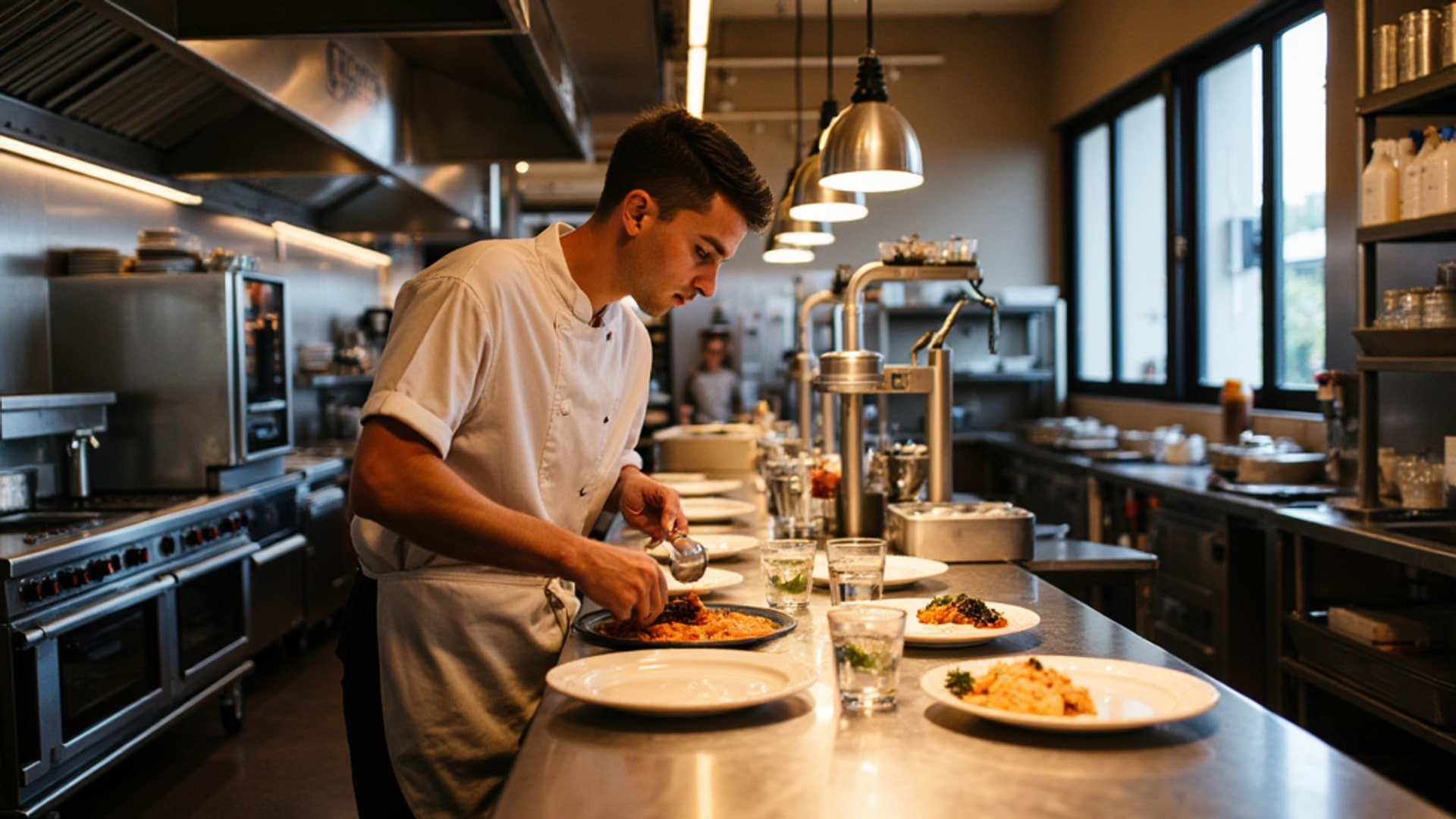
Most restaurant operators know their menu needs updating before they act on it. Sales on certain items have been declining for months. A few dishes look dated compared to what competitors are offering. The kitchen is bored with the repertoire. Food costs have crept up on items built around ingredient prices that no longer exist. The instinct to wait — to not disrupt what is currently working — delays action that would benefit the business.
meez notes that experts recommend quarterly reviews at minimum, with monthly analysis for high-volume or seasonal operations. Ingredient costs and customer preferences shift rapidly, and menus that stay static for too long lose their optimization.
The Signals That Demand Action
Sales Data Signals
Pull your POS item-level data for the past 90 days and look for:
- Items with declining order velocity over three or more consecutive months
- Items that were once Stars and have migrated to Plowhorses or Dogs
- Categories where overall ordering is declining (guests may be skipping a course entirely)
- Price elasticity problems: items where the price-to-order-rate relationship has changed
Restaurant365 recommends combining quantitative sales data with qualitative customer feedback produces the most actionable insights. If sales are declining and customer feedback on an item is also negative, the evidence to remove or modify is strong. If sales are declining but customers who order the item love it, the issue may be visibility or promotion rather than the dish itself.
Financial Signals
Tableo found that a 1% price increase can reduce customer ratings by up to 5% — which means that unchecked inflation in ingredient costs requires careful management. When ingredient costs have risen materially since the last menu pricing review, a refresh is financially necessary, not optional.
Specific triggers:
- Any item’s food cost percentage has risen more than 3 to 4 points since last review
- Overall food cost percentage has exceeded target for 3 consecutive months
- Contribution margin on key menu items has declined due to cost inflation without price adjustment
Competitive and Market Signals
Restaurant Business Online reports that 39% of consumers are seeking novel flavor experiences. When your menu reads the same as it did 18 months ago while competitors are introducing new formats and global flavors, the staleness becomes a competitive disadvantage.
Watch for:
- Competitors successfully launching new menu concepts or formats
- Trend data indicating consumer preference shifts (protein focus, snackification, global flavors)
- Customer comments — directly and on review platforms — referencing lack of variety or dated offerings
The Refresh Vs. Full Relaunch Decision
Not every menu update is a full relaunch. Understanding the scope of change needed shapes the approach.
| Scope | When It’s Appropriate | Timeline |
|---|---|---|
| Item-level adjustments | Price changes, recipe tweaks, minor additions | 2–4 weeks |
| Seasonal rotation | Quarterly ingredient and dish changes within existing structure | 4–6 weeks |
| Section refresh | Adding or replacing a menu section (new vegetarian section, new snack section) | 6–8 weeks |
| Full menu relaunch | Brand evolution, concept pivot, major format change | 3–6 months |
The quarterly seasonal rotation model is the most practical for most operators. Most restaurants review and update seasonal menus 3 to 4 times per year, and planning should begin at least three months in advance of each seasonal transition.
The Refresh Process
Phase 1: Data Analysis (2–3 weeks)
Before touching the menu, build the picture:
- Menu engineering analysis (classify every item as Star, Plowhorse, Puzzle, or Dog)
- Food cost review across all items against current ingredient prices
- Customer feedback review from the past quarter
- Competitive menu scan: what are 3 to 5 direct competitors currently offering?
This phase produces a clear picture of what to keep, what to modify, what to cut, and what gaps need to be filled with new items.
Phase 2: Development (3–4 weeks)
Develop candidates for new or modified items:
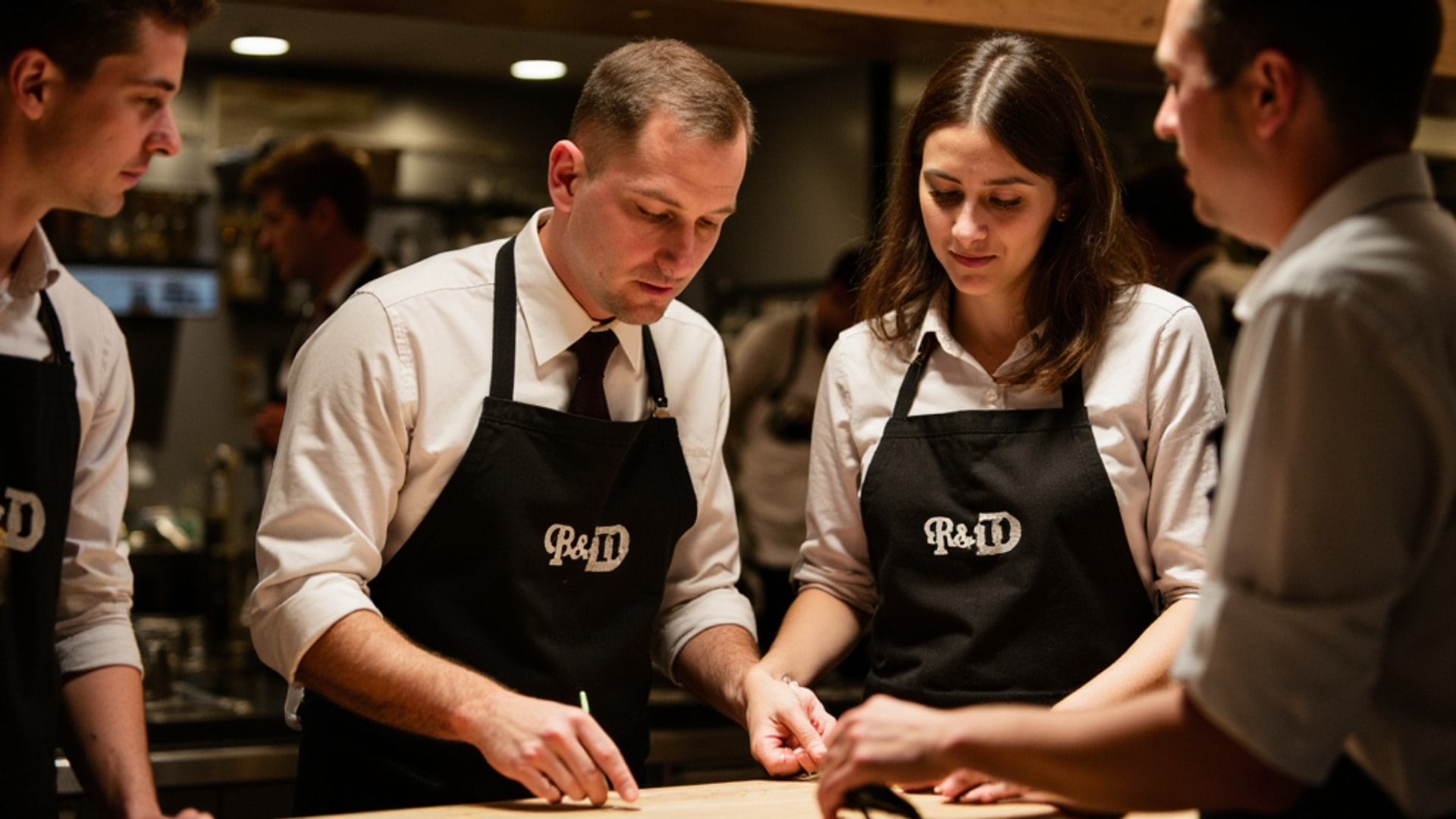
- Kitchen team brainstorms based on the analysis from Phase 1
- Test new items as daily specials or at staff meals
- TouchBistro notes that items tested as daily specials for at least one week generate more reliable feedback than a single tasting event
For seasonal items specifically, coordinate with wholesale food service distributors early in the planning process. Items that depend on local or specialty sourcing need confirmed availability before they go on the menu.
Phase 3: Final Selection and Costing (1–2 weeks)
Select the items that will make the new menu based on:
- Performance in testing (customer response, kitchen execution)
- Contribution margin at target selling price
- Ingredient overlap with existing menu (shared ingredients reduce waste)
- Staff ability to execute consistently
Every new item requires a complete recipe card before it enters production — with ingredient quantities, yield percentages, sub-recipe costs, and calculated food cost percentage at the proposed selling price.
Phase 4: Training (1–2 weeks)
A menu refresh is only as good as the execution behind it. Escoffier School of Culinary Arts recommends including employees in the brainstorming phase increases buy-in and product knowledge. Even if staff were not part of development, thorough training before launch is non-negotiable.
Training should cover:
- Recipe execution for all new items (kitchen team)
- Verbal descriptions and selling points (front-of-house team)
- Accurate allergen and dietary information for new items
- Plating standards (photos at each station)
Phase 5: Launch and Monitor
A menu relaunch is a marketing moment. Seasonal menus create natural opportunities for website updates, social media reveals, and email campaigns. Build the communication plan alongside the menu development.
Post-launch monitoring:
- Track new item performance weekly for the first 4 to 6 weeks
- Compare actual food costs against projections
- Gather server feedback on guest reactions
- Monitor online reviews for mentions of new items
What to Do With Menu Veterans
The items that have been on the menu for years and are genuinely well-loved by regulars deserve respect during a refresh. These are often Plowhorses — high popularity, modest margins. They are not candidates for removal, but they may be candidates for:
- Slight price increases (test carefully; loyal customers notice)
- Recipe cost reduction through ingredient substitution that doesn’t affect the dish experience
- Portion standardization review to confirm the food cost hasn’t drifted
Lightspeed recommends combining quantitative POS data with qualitative input from servers about customer preferences and feedback. Your servers know which dishes guests ask about, which ones generate the most comments, and which ones drive return visits. That knowledge is valuable input to any refresh process.
→ Read more: Menu Testing and Soft Launch: How to Validate New Items Before You Commit → Read more: Limited-Time Offers: Creating Urgency and Driving Revenue → Read more: Seasonal Menu Planning: Aligning Your Menu With Seasons and Demand