· Menu & Food · 5 min read
Vegetarian and Vegan Menu Development: Building Plant-Forward Menus That Sell
How to develop vegetarian and vegan menu options that generate real revenue — not just check a box.
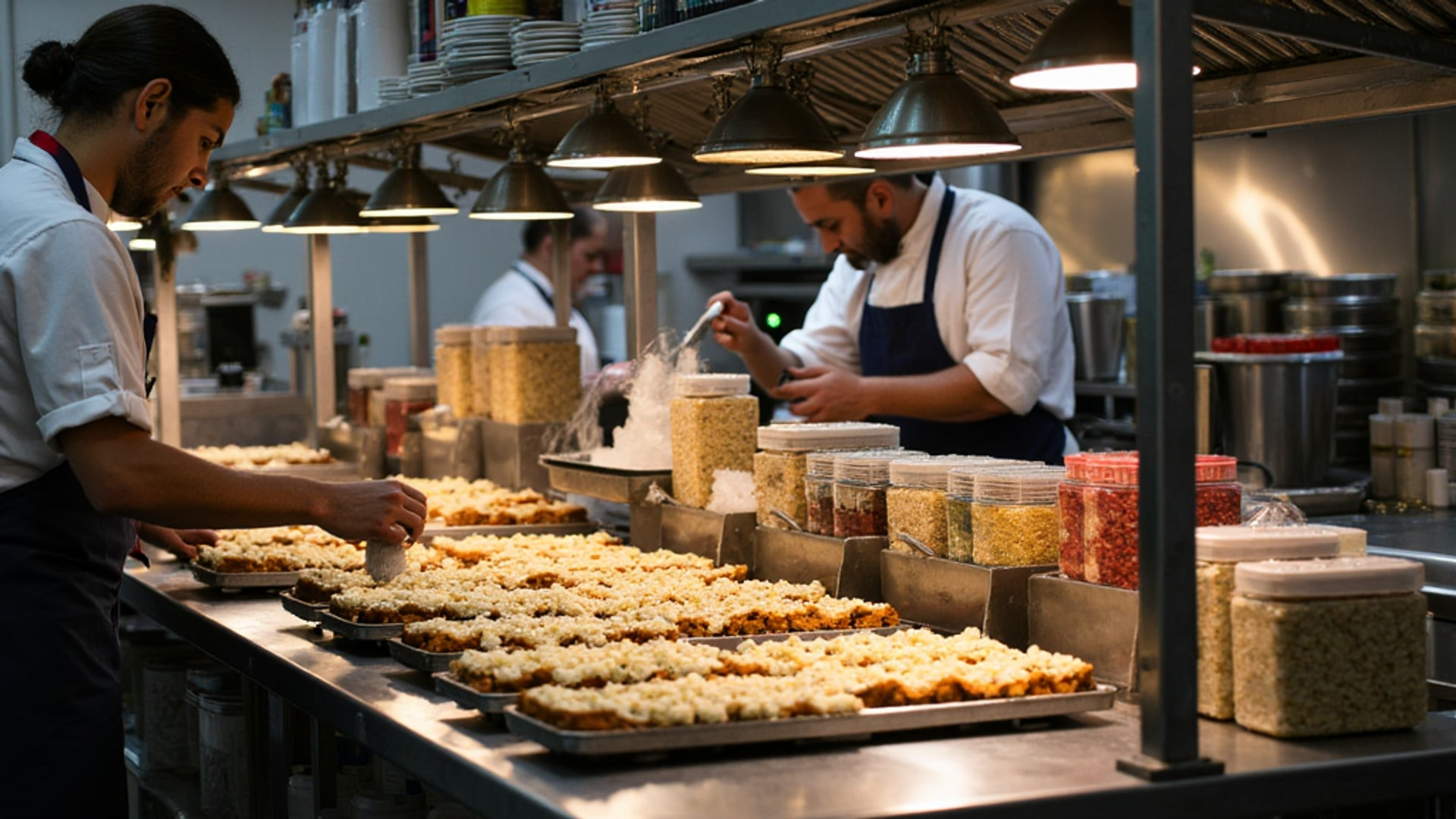
The plant-based menu section has moved past the grudging accommodation phase. According to Toast, what began as a niche dietary concession has become a mainstream strategy that appeals to health-conscious omnivores, flexitarians, environmentally motivated diners, and those with dietary restrictions. The question is no longer whether to offer plant-based options but how to build them in a way that generates real commercial return.
This guide covers the strategy, the proteins, the operational requirements, and the positioning decisions that determine whether your plant-forward menu items are profitable Stars or token gestures.
The Market Reality
The target market is not vegans. It is flexitarians — consumers who want to reduce meat consumption without fully committing to a plant-based diet. According to Toast, flexitarian consumers represent the largest target market: they want options, not total conversion. This reframing changes the design brief. You are not building a menu for strict vegans; you are building menu items that appeal to anyone who wants a great-tasting dish that happens to be plant-based.
Why it matters for operators:
- According to Toast, plant-forward items can achieve 5–10% lower food costs than meat-centered dishes
- According to Toast, PF Chang’s saw a 140% jump in gluten-free and plant-based category sales after introducing a complete dedicated menu
- According to TRG Restaurant Consulting, stable and growing consumer interest in plant-based options is documented across 2025 market research
Protein Strategy: Beyond Tofu
The most common mistake in plant-based menu development is building everything around a single protein. According to TRG Restaurant Consulting, a diverse plant protein strategy using tofu, tempeh, seitan, legumes, and quinoa provides nutritional completeness and allows the kitchen to create genuinely different preparations.
| Plant Protein | Best Applications | Flavor Profile |
|---|---|---|
| Tofu (firm/extra-firm) | Stir-fry, grilling, tacos, scrambles | Neutral, absorbs marinades |
| Tempeh | Sandwiches, grain bowls, stir-fry | Earthy, nutty, holds texture well |
| Seitan (wheat gluten) | “Meaty” applications, sandwiches, stews | Savory, chewy, very versatile |
| Legumes (lentil, chickpea) | Curries, soups, salads, fritters | Hearty, earthy, budget-friendly |
| Quinoa | Bowls, salads, stuffed vegetables | Mild, complete protein |
| Mushrooms (portobello, shiitake) | Burgers, steaks, stocks, umami boost | Deep umami, meaty texture |
According to Toast, hybrid plant-meat products — blending plant ingredients with small amounts of meat or using mushrooms to create meaty texture — represent one of the most commercially significant trends. A mushroom-beef burger blend appeals to flexitarians who want familiar flavor with reduced meat content.
Global Cuisine as a Framework
According to Toast, global and ethnic cuisines provide natural templates for plant-based development. Dishes from cultures where plant-forward eating has centuries of tradition require no awkward substitution — they are already built around the ingredients.
High-performing frameworks:
- Indian: Chana masala, dal, palak paneer (adaptable to vegan with coconut milk)
- Mexican: Bean tacos, veggie enchiladas, roasted vegetable burritos
- Thai: Tofu pad Thai, vegetable curries, spring rolls
- Japanese: Miso-glazed eggplant, vegetable ramen, edamame preparations
- Mediterranean: Falafel, stuffed peppers, mezze platters with hummus
These formats allow the kitchen to apply familiar techniques to plant-based ingredients rather than inventing new preparation methods from scratch.
Integration vs. Segregation
According to Toast, the most successful restaurants are moving away from segregated vegan sections toward seamlessly embedding plant-based options throughout the menu alongside traditional dishes. A separate “Vegan Menu” signals to non-vegan customers that these items are not for them. Integration signals that these are just great dishes that happen to be plant-based.
The practical approach:
- Place plant-based items within each section (appetizers, mains, sides) rather than in a separate section
- Use small icons (V for vegan, Vg for vegetarian) rather than section headings
- Write descriptions that lead with flavor and technique, not dietary category
- Ensure at least one plant-based option per course at every price tier
Operational Requirements
→ Read more: Dietary Accommodations and Allergens: Turning Safety Into a Competitive Advantage
Cross-Contamination Protocols
According to TRG Restaurant Consulting, kitchen protocols for both vegan and plant-based preparation require dedicated equipment, separate prep areas, and clear communication systems between front and back of house. Some diners with dietary restrictions (not just vegans but also allergy sufferers) require genuine separation.
Minimum requirements:
- Dedicated cutting boards labeled for plant-based prep
- Shared fryer policy (declare whether fryer oil is shared with animal products)
- Training on hidden animal-derived ingredients (fish sauce, worcestershire, gelatin, honey)
- Clear handoff protocol from kitchen to server for plant-based orders
Staff Training
According to TRG Restaurant Consulting, staff education on ingredient sourcing and hidden allergens is essential for safe execution. Servers need to know:
- Which items are vegan vs. vegetarian vs. dairy-free
- Which items share equipment with animal products
- How to substitute for common allergens within the plant-based section
- Flavor descriptions that sell these items to any customer, not just plant-based diners
Pricing Considerations
Plant-based items should not be priced lower than comparable meat dishes by default. The cost advantage (5–10% lower food cost per Toast) creates margin opportunity, not a reason to undercharge. Price based on the experience and value delivered. A premium mushroom-based main that requires skilled preparation justifies a dinner price point equal to a comparable meat dish.
The one exception: appetizers and sides built around humble legumes (lentil soup, hummus, bean dip) carry naturally lower price points that match their ingredient costs — and that is fine. Price each item based on what it delivers, not what category it belongs to.
Checklist: Plant-Based Menu Launch
- At least one vegan option per menu section
- Clear labeling with icons (not section segregation)
- Diverse protein sources (not just tofu)
- At least one globally inspired preparation
- Staff can describe every plant-based item confidently
- Cross-contamination protocols documented in kitchen
- Digital menu filterable by dietary preference
- Pricing matches value delivered, not dietary category
The operators who treat plant-based menu development as a culinary opportunity — not a concession to dietary demands — build items that any customer will order, which is the entire point.
→ Read more: Menu Trend Analysis: How to Read the Market and Apply It to Your Menu → Read more: Menu Profit Margin Optimization: Strategies to Maximize Restaurant Profitability → Read more: Food Pairing Principles: The Science Behind Flavor Combinations That Work