· Operations · 7 min read
Handling Customer Complaints: Turning Problems Into Loyalty
A practical five-step framework for resolving restaurant complaints on the spot and converting dissatisfied guests into loyal regulars.
A complaint is one of the most valuable pieces of feedback a restaurant ever receives — and one of the most poorly handled moments in the business. Most unhappy guests do not complain; they simply leave and never come back. The ones who speak up are giving you a second chance. How you use it determines whether they become loyal advocates or vocal critics. Building the full customer service excellence system makes these recovery moments consistently successful.
According to WebstaurantStore’s guide to restaurant complaint handling, when problems are resolved properly they improve overall service quality, enhance guest experiences, and reveal expectations that would otherwise remain invisible. That reframe is worth adopting from the top down: complaints are not attacks on your operation, they are free quality audits delivered in real time.
The Five-Step Resolution Framework
The structure of an effective complaint response is not complicated, but it must be internalized and practiced until it is reflexive. Staff who fumble through apologies or default to defensiveness will make a bad situation worse. Train the following five steps until they are second nature.
Step one: Stay calm. A guest who is upset has a complaint about a situation, not a personal grievance against the employee. Maintain a level voice, keep an open posture, and make eye contact. Matching the guest’s emotional temperature — responding with urgency to frustration, for example — only escalates the situation.
Step two: Listen fully. Give the guest your complete, undivided attention. Do not begin formulating a response while they are still talking. Let them finish. The information they provide tells you what actually happened, what they expected instead, and what would satisfy them.
Step three: Sympathize. Acknowledge that the experience fell short. Use appropriate facial expressions and body language that convey genuine concern, not dismissiveness or defensiveness. Phrases like “I completely understand why that’s frustrating” create the sense that the guest has been heard before you move to any kind of solution.
Step four: Apologize. Accept responsibility without excuses or blame-shifting. Avoid explaining why something happened if the explanation sounds like a justification. A clean, direct apology lands better than a hedged one.
Step five: Resolve. Tailor the solution to the specific complaint. Not every problem requires a comped meal. A simple sincere apology resolves minor issues. A wrong order requires a replacement and the original off the bill. A significant experience failure — a long wait, cold food on a special occasion — warrants a meaningful gesture. Match the weight of the recovery to the weight of the problem.
Who Should Handle the Complaint
Front-of-house managers should step in whenever possible. This is not about undermining your servers; it is about signaling to the guest that the restaurant genuinely values their experience. When a manager responds, it communicates that the feedback has reached someone with authority to act and the organizational standing to take it seriously. This is particularly important when the complaint involves a specific team member — a neutral representative removes any dynamic of the accused party responding to their own accusation.
Train servers to recognize when to escalate immediately rather than attempting to handle a complaint themselves. The signals are: the guest is visibly upset, the issue is serious (illness, injury, significant quality failure), or the server is personally implicated in the complaint.
Common Complaint Types and the Right Response
Uncleanliness. Take immediate action during the visit — clean the area, replace soiled items, address the condition visibly in front of the guest. Consider comping the bill. Do not promise it will be fixed next time; fix it now.
Food quality. Replace the item immediately, expedite the replacement, and remove the original from the bill. Address the root cause in your next kitchen training. If the quality issue is systemic, it requires a conversation with your supplier or a review of preparation standards.
Rude service. This is the most delicate category because a human being is involved. Reassign the server if appropriate and possible. Listen to both sides before drawing conclusions. Show support for your staff while ensuring the guest experience does not suffer further. Address any behavioral issues through proper coaching channels after the shift.
Order errors. Expedite a corrected item, offer something complimentary while the guest waits, and remove the incorrect dish from the bill. The wait for a replacement is its own second frustration — bridge it.
Slow service. Implement table check-ins so servers acknowledge delays before guests have to flag them. Offer complimentary items or a free drink to bridge the wait. Review table sections and staffing levels if slowness is a pattern.
Atmosphere problems. Temperature, noise, and lighting complaints require operational fixes rather than in-the-moment service recovery. Acknowledge the issue, move the guest if an alternative table is available, and document recurring complaints so you can address the underlying cause.
Prevention: The Better Investment
Every complaint that reaches a manager represents a failure of an upstream system. The most cost-effective complaint handling is building operations that prevent most complaints from occurring.
Wait time management. Use paging systems. Give realistic wait estimates, not optimistic ones — a guest who waits 40 minutes for a 20-minute estimate is angrier than one who waits 35 minutes for a 40-minute estimate. Greet waiting guests proactively. Track actual versus estimated wait times weekly and calibrate your communication accordingly.
Menu clarity. List primary ingredients. Include allergen information prominently. Train servers through tasting sessions so they can answer questions accurately and confidently. A guest who receives an unexpected ingredient they cannot eat is not going to complain about ambiguity — they are going to post about it.
Order accuracy. Consider an expeditor on busy shifts. Implement seat-numbering systems so food reaches the correct guest. Use POS modifications clearly. Review comp and void rates weekly — the SPNDL quality control framework flags anything above 3% as a threshold that warrants investigation.
Managing the Online Complaint
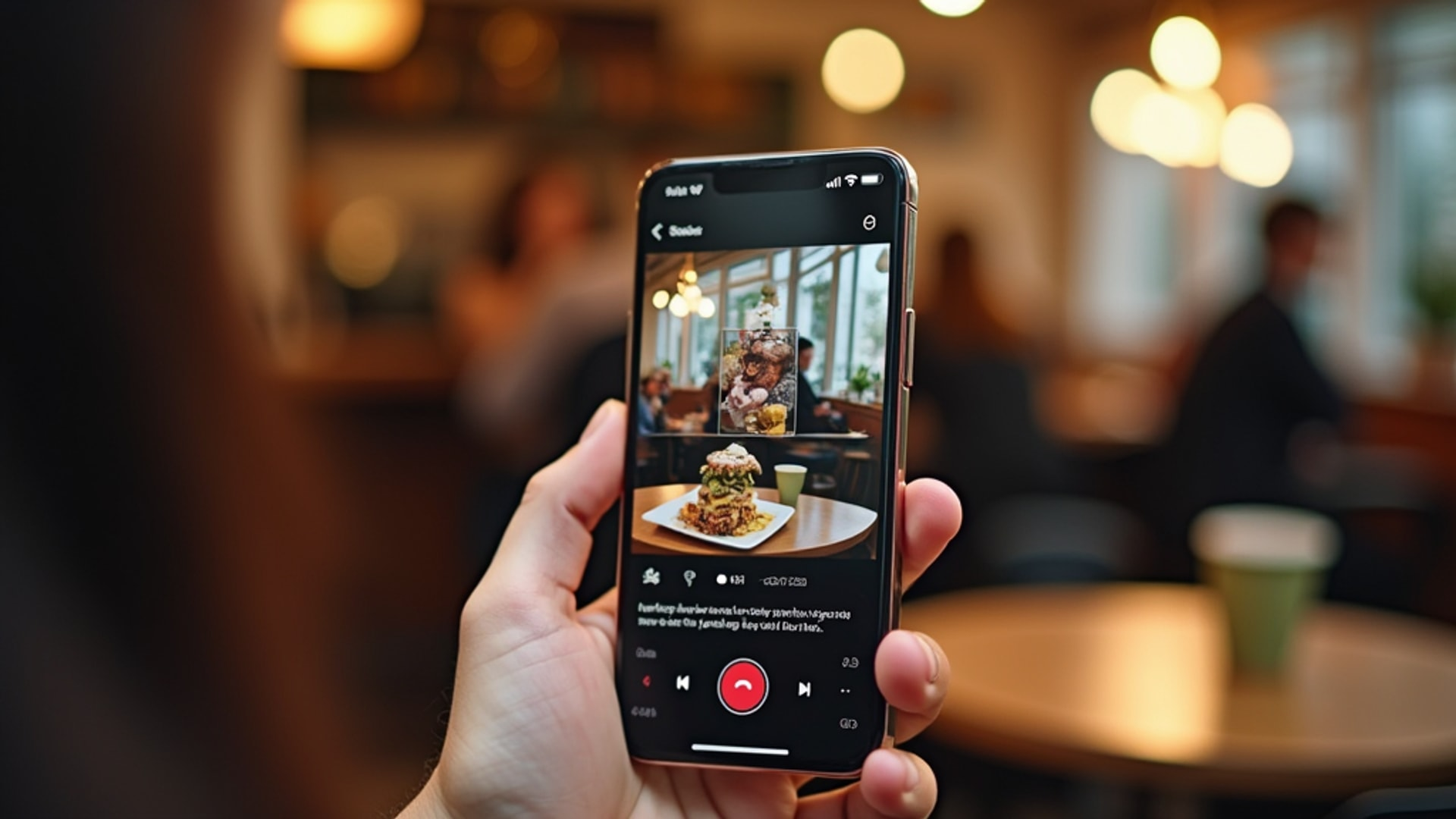
The complaint that happens on Yelp, Google Reviews, or social media has a wider audience than any in-restaurant conversation. According to WebstaurantStore’s guide, monitoring Facebook, Twitter, Yelp, and Google Reviews is essential, and responding promptly to online complaints demonstrates attentiveness.
The goal of a public response is not to defend yourself — it is to demonstrate to the hundreds of people reading the exchange that your restaurant takes guest feedback seriously. Keep public responses brief, professional, and focused on acknowledging the issue and inviting the guest to continue the conversation privately. Never argue with a reviewer publicly, even if the review is factually inaccurate.
The template: acknowledge, apologize, invite. “We’re sorry your experience fell short — this isn’t the standard we hold ourselves to. Please reach out to us directly at [contact] so we can make it right.”
Building a Complaint-Tracking System
Individual complaints, resolved and forgotten, waste their intelligence value. A guest who complains about a specific dish three weeks apart from another guest who had the same issue is telling you something important about that dish. You will only see the pattern if you track the data.
Log every significant complaint with: date, time, shift, complaint category, resolution offered, and guest outcome. Review the log weekly. Look for patterns by shift, server, menu item, or time of day. The aggregate data will tell you where your operation consistently falls short better than any single incident can.
Staff who hear from managers that complaint data is reviewed and used to improve operations become more likely to report complaints honestly rather than resolving them quietly to avoid scrutiny. Make the system about improvement, not judgment.
The Recovery Payoff
Service recovery, done well, converts disappointed guests into the most loyal segment of your customer base. A guest whose problem was handled exceptionally — who felt heard, valued, and genuinely cared for — often reports higher overall satisfaction than a guest who had no problem at all. That is the paradox of complaint handling: the worst operational moment, managed well, can become the best brand-building moment.
Train for it. Track it. Treat every complaint as what it actually is: someone telling you exactly what they needed that they did not receive, and giving you the chance to change their mind about your restaurant.
→ Read more: Customer Service Excellence: How to Train Your Team to Keep Guests Coming Back → Read more: Online Review Culture: How Ratings Shape Restaurant Success (and What to Do About It) → Read more: Server Upselling Techniques: Training Your Team to Increase Check Averages