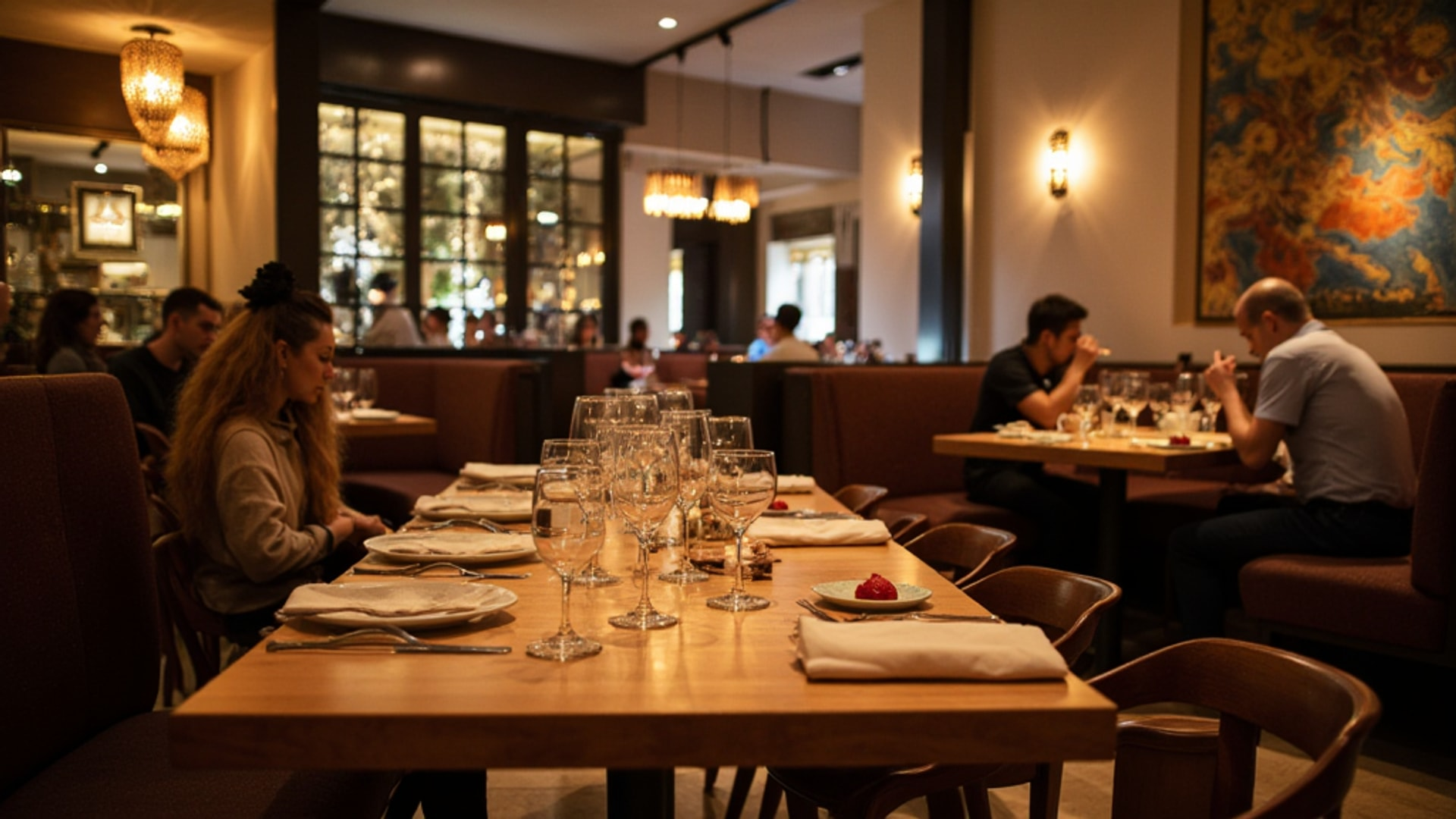
Marketing Experiential Dining: Selling Memories, Not Just Meals
Experiential dining grew 27% in 2024, driven by consumers who want meals that are worth talking about — and the marketing opportunity that creates is significant.
Experiential dining grew 27% in 2024, driven by consumers who want meals that are worth talking about — and the marketing opportunity that creates is significant.

Everything you need to know about running a food truck or mobile food business — from permit applications to daily workflow and route planning.

Restaurant managers work 55 to 60 hours a week in one of the most stressful service environments that exists — without deliberate burnout prevention, the math leads to one outcome.

What the FDA Food Traceability Rule and USDA FSIS inspection requirements mean for your restaurant, and how to verify your suppliers are compliant.
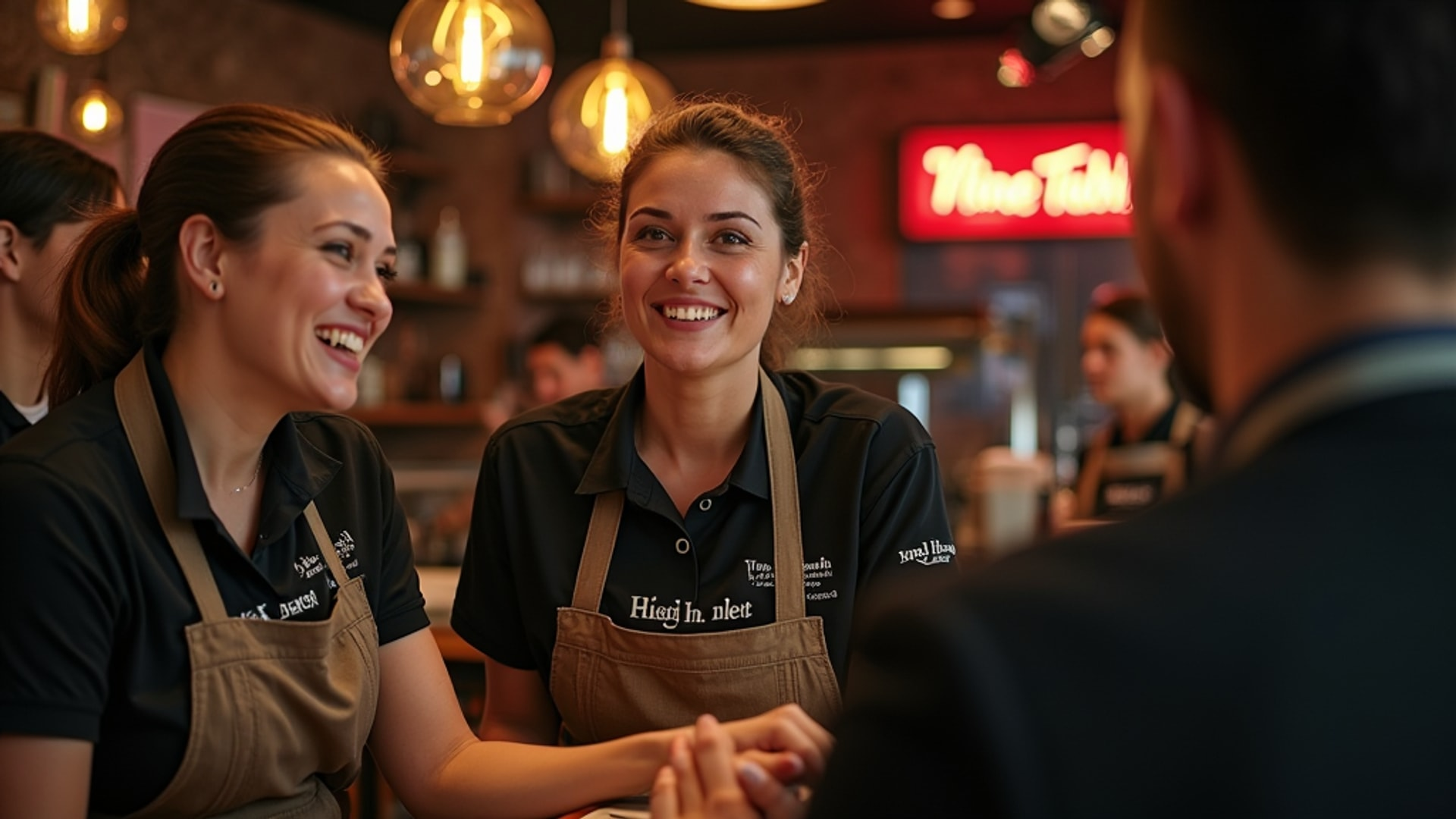
Walmart already requires leafy-green suppliers to use blockchain-based tracking — and the technology that can trace contamination in seconds rather than days is moving into restaurant operations.
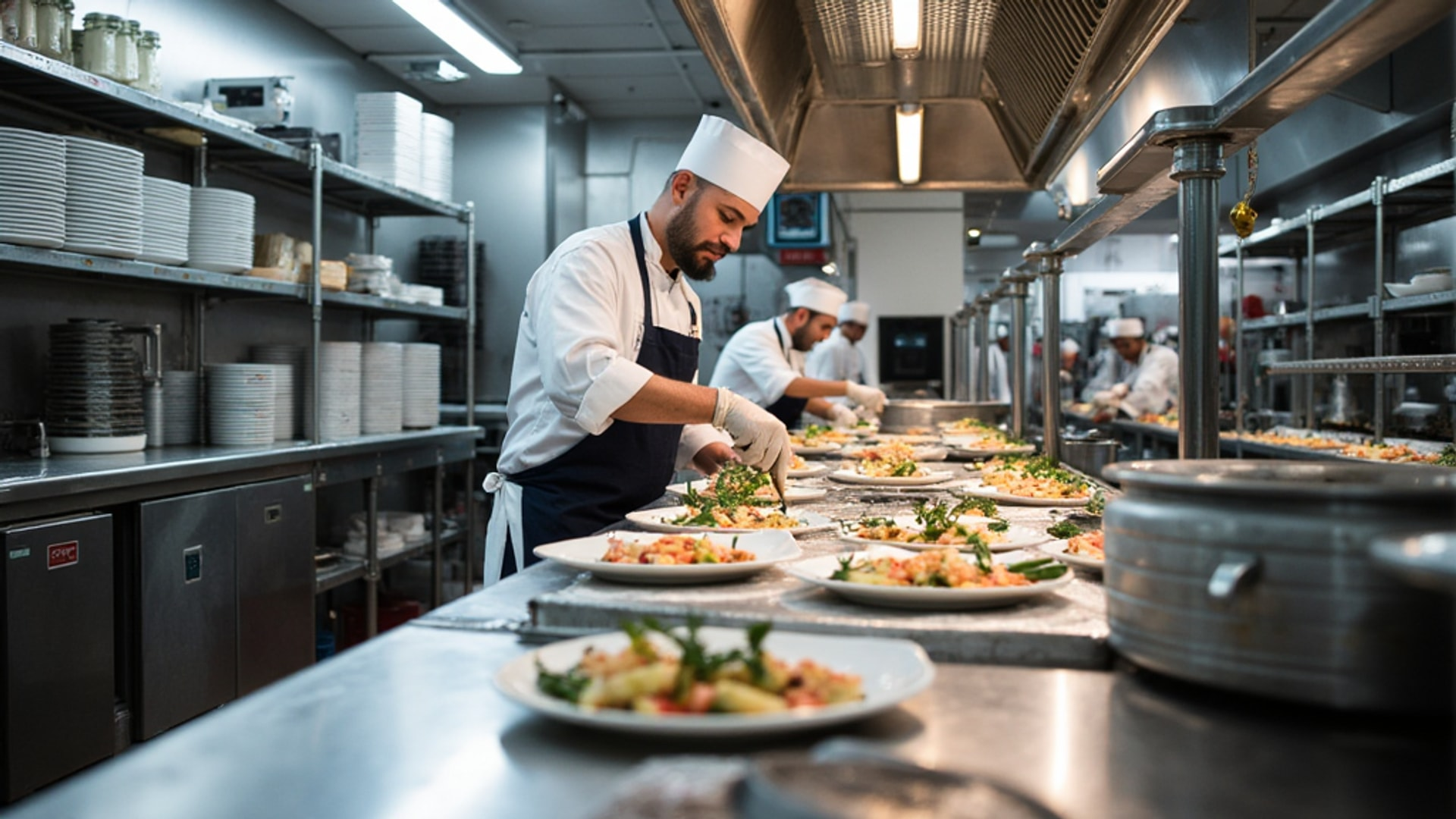
A grease trap is mandatory, legally required infrastructure — understand the design requirements before you sign a lease or pull a permit.

What the International Plumbing Code requires for grease traps and interceptors, how the cleaning cycle works, what documentation you must keep, and the prohibited practices that lead to fines.
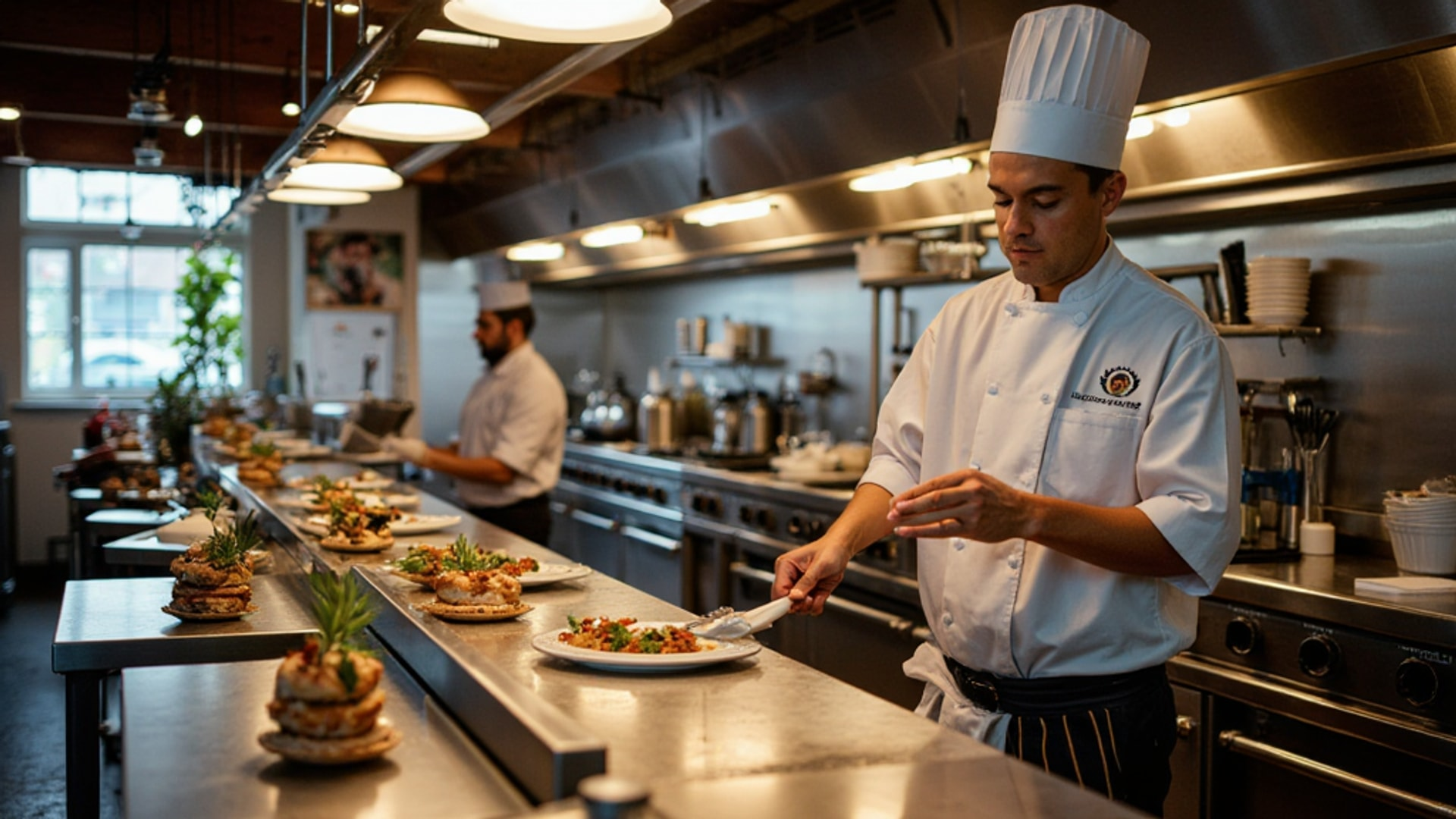
Brunch is no longer just eggs and mimosas — it is a strategically important daypart that can dramatically lift weekend revenue when built around the right menu structure, beverage program, and service format.
How to transform your guest WiFi from a free service into a systematic customer data collection and re-marketing engine using captive portal technology.
Industry benchmarks for restaurant speed of service across every format — from greeting time to ticket time — plus the measurement systems to track and improve your performance.
On-demand hospitality staffing platforms are filling the gaps that traditional hiring cannot close — and reshaping how restaurants think about their workforce.
With 95% of restaurants experiencing supply disruptions, here is how to build the vendor relationships, inventory practices, and backup plans that keep you running when your primary suppliers cannot deliver.