· Menu & Food · 9 min read
Brunch Menu Concepts: Building a Profitable Weekend Program
Brunch is no longer just eggs and mimosas — it is a strategically important daypart that can dramatically lift weekend revenue when built around the right menu structure, beverage program, and service format.
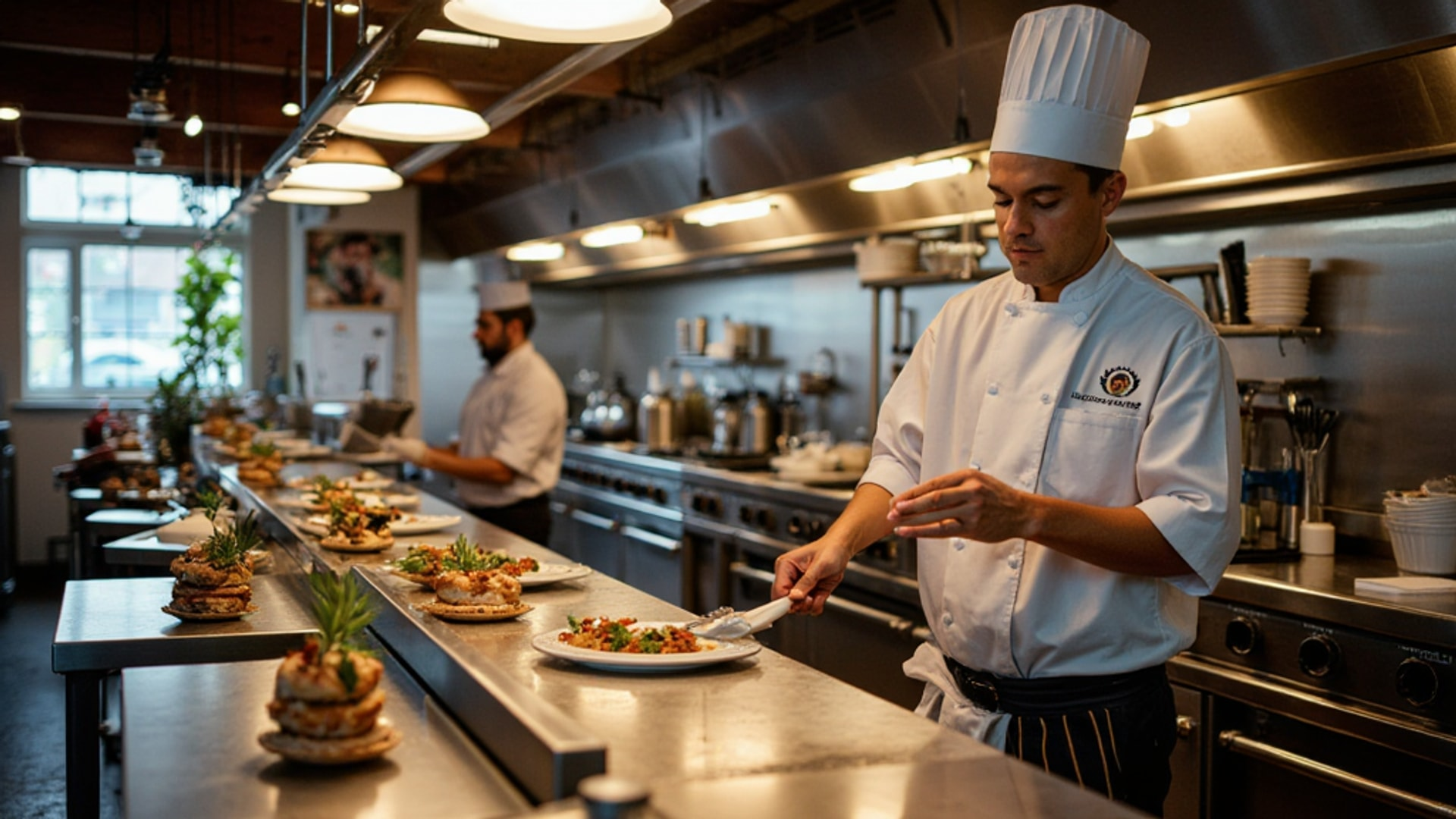
Brunch used to be an afterthought. A few eggs Benedict options, bottomless mimosas, and you were done. Today, it is one of the most competitive and profitable dayparts in the industry, and operators who treat it seriously are building programs that generate weekend revenue numbers that rival their dinner service.
→ Read more: Breakfast Menu Profitability: Expanding Into the Morning Daypart
The 2025 brunch market, as Accio’s restaurant trends research shows, is shaped by two competing consumer desires: everyday convenience and special-occasion experience. Your brunch program needs to serve both — and the menus, service formats, and beverage programs that do it well share a handful of structural traits worth understanding before you start building.
Why Brunch Demands a Dedicated Strategy
Brunch is not breakfast with a later start time. It operates on different kitchen rhythms, attracts different customer motivations, and has a beverage component that does not exist at 7 AM. It also has different labor requirements, higher ticket averages, and more tolerance for experimentation than your everyday lunch menu.
The mistake most operators make is grafting brunch onto their existing menu infrastructure without thinking about it as its own program. The result is a menu that feels neither like a real breakfast nor a real lunch, service that is understaffed for brunch volume, and a beverage program limited to coffee and juice.
A properly designed brunch program has its own logic: dedicated menu structure, a beverage architecture built for alcohol and specialty coffee, service formats calibrated to weekend traffic, and pricing that reflects the experiential nature of the occasion.
The Two-Customer Problem
Accio’s research identifies two parallel forces shaping brunch demand in 2025. The first is routine reliability — weekday brunch consumers who want speed, portability, and functional nutrition. The second is experience-driven social visits — weekend groups celebrating occasions, catching up with friends, or treating themselves.
These are different customers with different expectations, and your menu needs to serve both.
For the routine crowd, focus on high-protein, low-carb options: egg-heavy dishes, grain bowls, almond-flour preparations, and plant-based alternatives that deliver real nutrition without heaviness. Speed and portability matter. These customers want to be in and out, or want something they can take with them.
For the experience crowd, global influences are where differentiation happens. International flavors — shakshuka, Korean-inspired sandwiches, Mediterranean grain dishes, Filipino-style eggs — add excitement that casual chains cannot easily replicate. The James Beard Foundation regularly highlights restaurants leading this global-brunch movement. Social media-driven trends like sweet-spicy (swicy) flavor combinations and artfully presented tinned fish (conservas) generate organic visual content that customers share without prompting. That free marketing is not incidental.
Menu Architecture: Format Choices That Affect Profitability
How you structure the menu matters as much as what is on it. Three formats serve different objectives.
Prix fixe works for groups celebrating occasions. A two- or three-course set menu at a fixed price simplifies decision-making, drives higher average checks, and allows you to control food costs predictably. It is particularly useful for managing high-volume periods without turning tables at the expense of experience.
A la carte serves smaller parties and solo diners who want control. Keep the item count manageable — 12 to 18 items is a practical ceiling before the menu starts creating decision fatigue. Organize by section: egg dishes, savory plates, sweet options, and a strong beverage menu that does not feel like an afterthought.
Interactive stations — omelet bars, waffle stations, carving stations for proteins — add entertainment value while efficiently managing kitchen labor. A staffed omelet station handles high volume without overloading the line, and it gives guests a customization experience that photographs well and generates conversation.
Buffet formats maximize throughput during peak hours but require careful food cost management. The value perception is high, but so is the risk of food cost creep if you are not tracking consumption closely.
Beverage Architecture: Where the Real Margin Lives
Brunch is one of the few dayparts where beverage sales can match or exceed food revenue. A strong brunch beverage program is not optional — it is the financial engine of the service.
The classic mimosa is your foundation, but treat it as a platform rather than a product. Seasonal juice variations, sparkling wine upgrades, and topped-off service create an experience rather than a transaction. Champagne cocktails, Aperol spritzes, and Bloody Mary variations extend the alcohol menu for customers who want something different.
Specialty coffee is where significant per-guest revenue lives. According to Accio, nitro cold brews, flavor infusions, single-origin pour-overs, and coffee cocktails can command premium prices that meaningfully lift ticket averages. The Specialty Coffee Association publishes standards and education resources for operators building serious coffee programs. A $9 specialty coffee adds more to the check than an additional side dish.
→ Read more: Bar Menu Creation: Building a Profitable Beverage Program
The fastest-growing segment in brunch beverages is the non-alcoholic program. Mocktails, seasonal house-made sodas, shrub-based drinks, and elaborate juice combinations serve the significant portion of weekend diners who are not drinking. Treat the NA menu with the same creativity you apply to the cocktail list — a well-designed non-alcoholic option at $8 is pure high-margin revenue.
Global Flavors as Differentiation Tools
The brunch menus gaining traction in 2025 are the ones taking culinary risks with global influences. Shakshuka has moved from novelty to staple at independently owned brunch operations. Korean-inspired breakfast sandwiches with gochujang-marinated proteins and kimchi slaw are appearing on menus far outside Korean neighborhoods. Mediterranean grain dishes — farro bowls with preserved lemon and soft-boiled eggs, labneh with roasted vegetables — satisfy the health-focused crowd without defaulting to the tired avocado toast format.
These dishes differentiate your program from the chains, attract food-curious customers, generate social media content, and often use ingredient overlaps that simplify purchasing. A restaurant that already uses farro in a lunch salad and kimchi as a condiment for burgers has most of the infrastructure for a Korean breakfast sandwich and a grain bowl without new suppliers.
→ Read more: Menu Trend Analysis: How to Read the Market and Apply It to Your Menu
Sustainability Messaging as Added Value
Brunch consumers are particularly receptive to sustainability messaging. Highlighting local sourcing — local honey, seasonal produce, farm eggs — adds perceived value without significant cost impact. Resources like LocalHarvest can help identify nearby farms and producers. Offering smaller portions as an option (rather than a limitation) gives customers control while reducing waste and improving your food cost on items where over-portioning is a problem.
Accio notes that locally sourced ingredients appeal strongly to the sustainability-conscious brunch diner, and the messaging does not require elaborate certification or significant operational changes. Listing the farm name next to your eggs on the menu is often sufficient to shift perception.
Service Timing and Kitchen Staffing
The operational complexity of brunch is often underestimated. Weekend brunch service typically involves high simultaneous table demand, a beverage component that requires dedicated bar staffing, and a menu that spans sweet and savory preparations requiring different equipment and workflows.
Staff your brunch service as a distinct shift with its own prep list and line configuration. Do not assume your dinner line layout works for brunch — the equipment and workflow demands are different. If you are running an interactive station, dedicate a person to it rather than pulling from the main line.
Timing is the most common point of failure. Brunch guests have lower tolerance for long waits than dinner guests because the weekend occasion often has external timing constraints — morning commitments, afternoon plans, children’s schedules. Build a kitchen workflow that can handle simultaneous ticket volume without the slow table-by-table pacing that works at dinner.
Pricing Logic for a Brunch Program
Brunch pricing occupies a middle ground between breakfast and lunch. Guests expect to pay more than they would for a standard breakfast, and the beverage component supports higher per-guest averages. But the psychological ceiling is lower than dinner, and value perception matters more in the middle of the day.
The standard approach is to price brunch entrees at 15-25% above comparable lunch items, with beverage packages (mimosa carafes, Bloody Mary flights) priced to generate strong contribution margins. A mimosa carafe that costs $12 to produce and sells for $32 generates $20 in contribution margin from a single purchase — often more than the food item it accompanies.
Build your brunch pricing by working backward from desired food cost targets and then pressure-testing the prices against your local competitive set. Brunch is a category where quality differentiation genuinely supports premium pricing, so do not leave room on the table by underpricing a strong program.
Building and Testing the Program
Start with a focused initial menu of 12 to 15 items and three to five beverage options. Resist the urge to launch with everything you have imagined. A smaller, well-executed menu builds a stronger reputation than a large menu with uneven execution.
Run the program for six to eight weeks before making significant changes. Collect data on what sells, what does not, which items generate complaints, and which ones guests are visibly excited about. The items that prompt unprompted compliments are your future signature dishes. The ones that sit at the bottom of the sales report get reformulated or replaced.
Track contribution margin by item, not just food cost percentage. A weekend egg dish that generates $8 in contribution margin at a 32% food cost is worth protecting. An artisanal toast option with a 28% food cost but a $4 contribution margin is not carrying its weight despite the better-looking percentage.
Brunch is a program that rewards patience and iteration. The operations that build strong brunch programs treat the first season as research, the second as refinement, and the third as the version they are proud to put on their website.
→ Read more: Menu Testing and Soft Launch: How to Validate New Items Before You Commit → Read more: Menu Pricing Psychology: 9 Tactics That Influence What Guests Order