· kitchen
Commercial Kitchen Ventilation: Hood Systems, Codes, and Maintenance
Everything a restaurant operator needs to know about Type I and Type II hoods, exhaust rates, NFPA 96 cleaning schedules, and keeping inspectors happy.
Everything a restaurant operator needs to know about Type I and Type II hoods, exhaust rates, NFPA 96 cleaning schedules, and keeping inspectors happy.
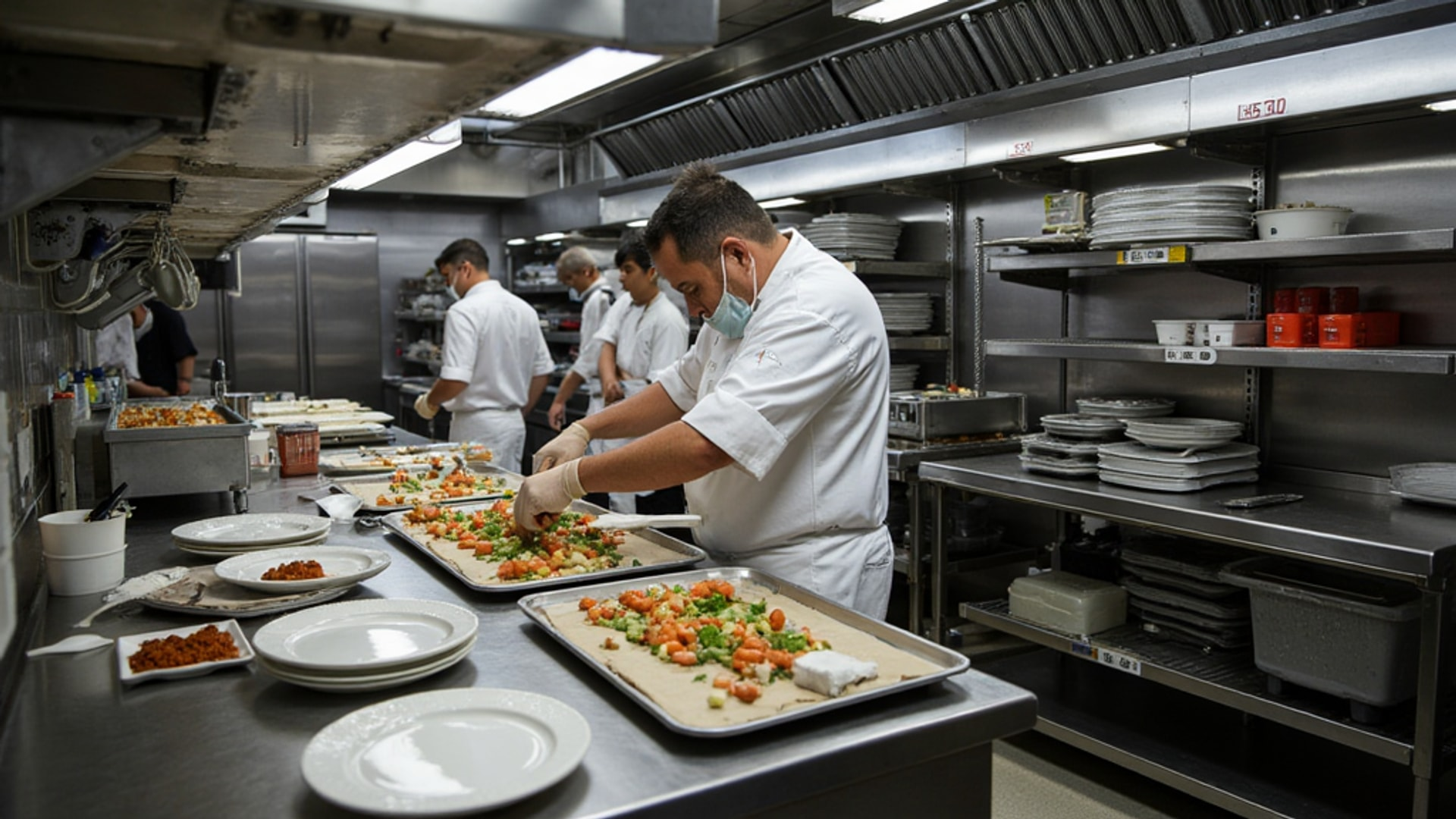
HVAC is the most technically demanding and expensive system in any restaurant — here is how to design it right from day one.
What every restaurant operator needs to know about fire suppression system requirements, NFPA 96 and UL 300 compliance, ANSUL R-102 installation, and the ongoing inspection schedule that keeps your coverage valid.
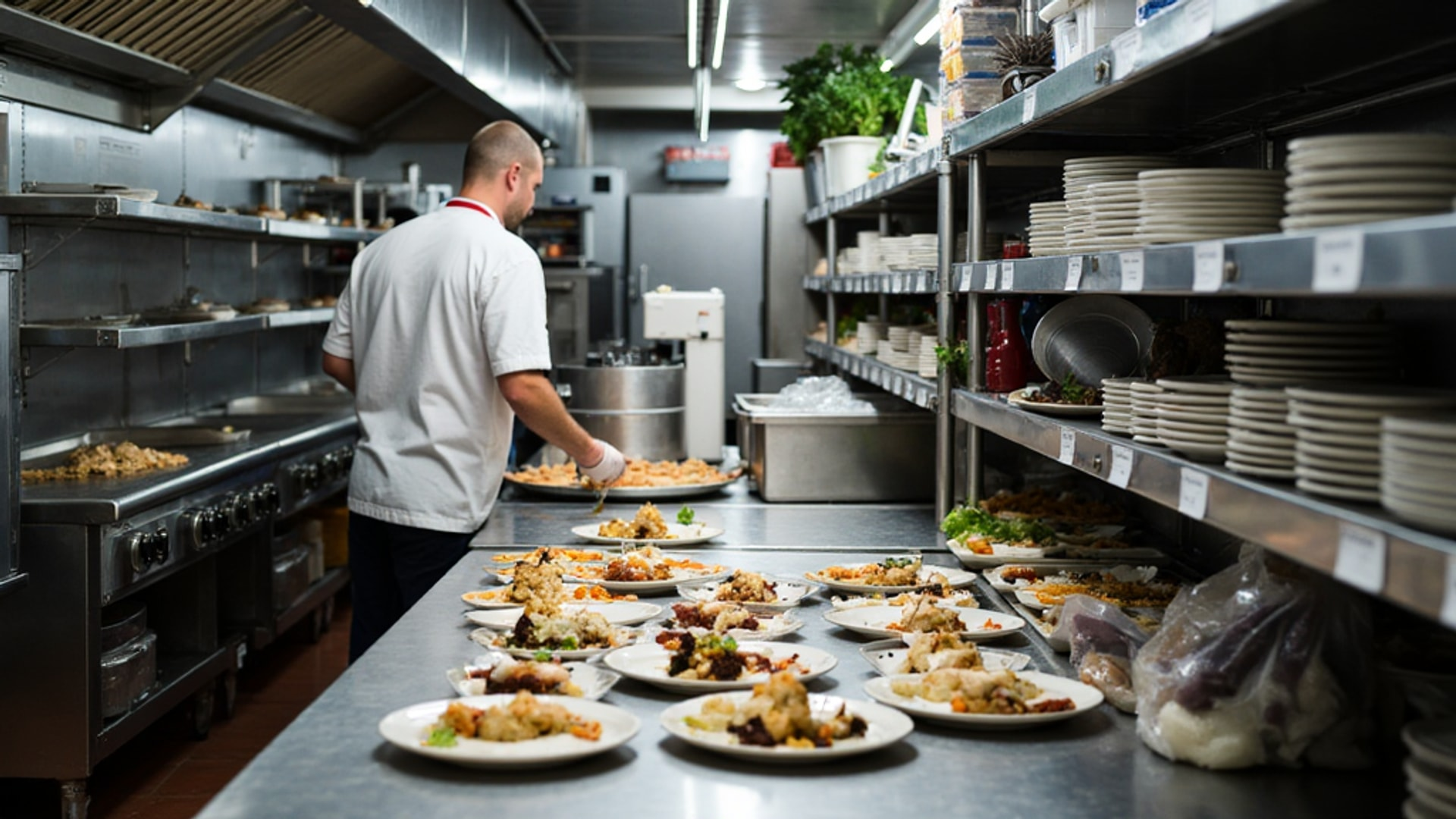
Restaurants are among the most electrically demanding commercial spaces — underpowering your operation during the design phase is a mistake you'll pay for every day after opening.
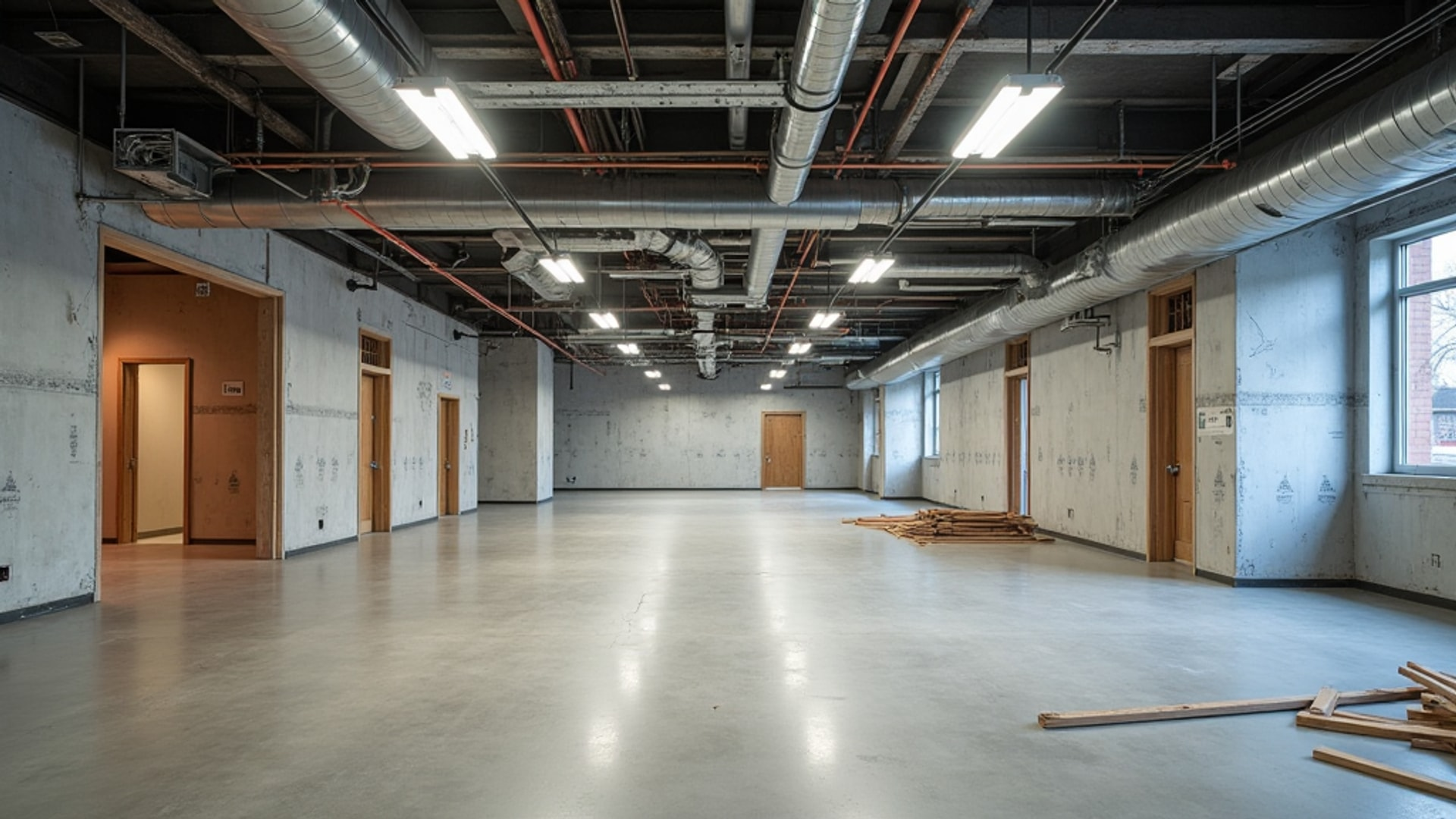
Fire safety and egress requirements are non-negotiable in restaurant design — understanding the code principles protects your guests, your staff, and your license to operate.
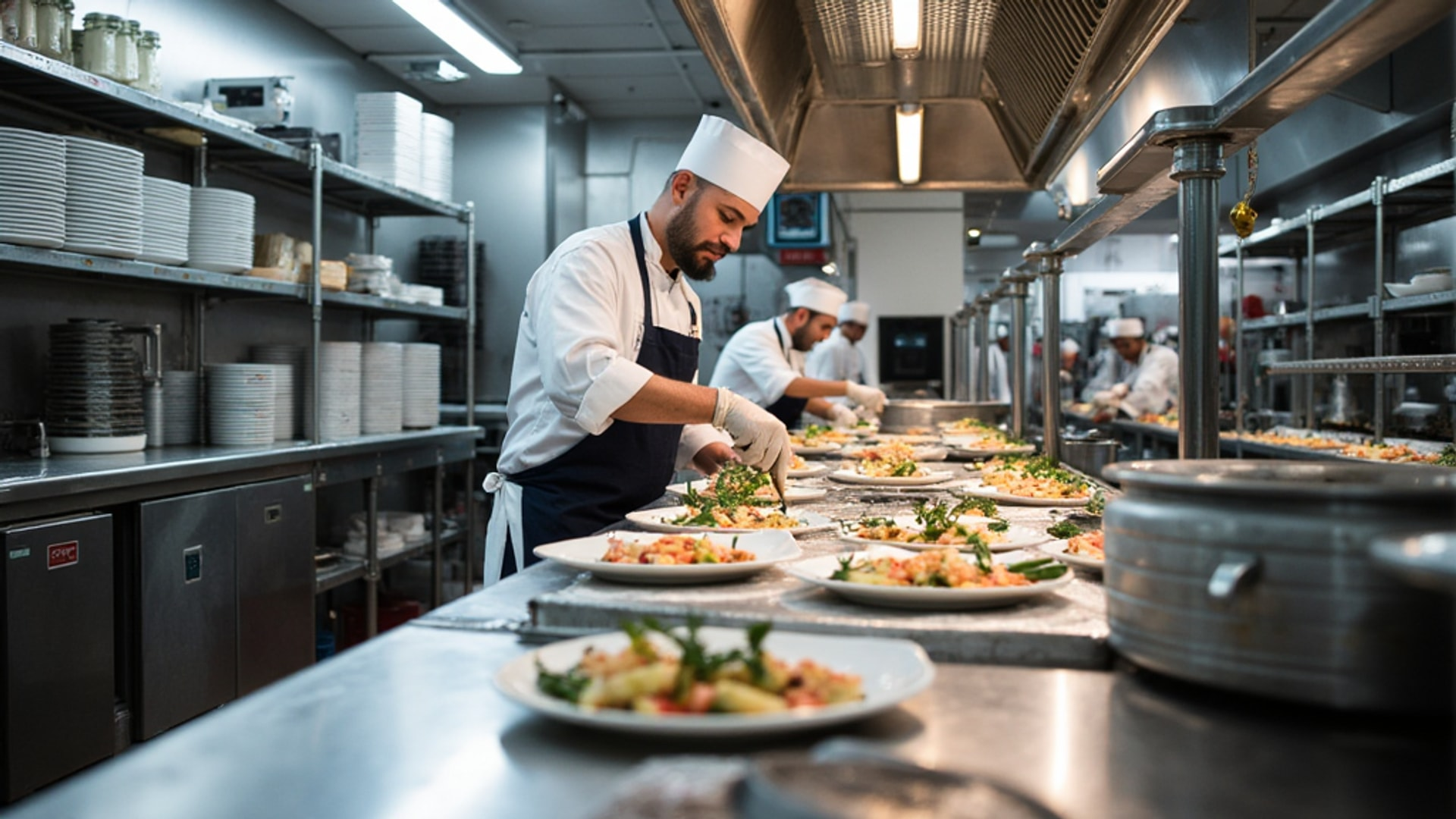
A grease trap is mandatory, legally required infrastructure — understand the design requirements before you sign a lease or pull a permit.
What the International Plumbing Code requires for grease traps and interceptors, how the cleaning cycle works, what documentation you must keep, and the prohibited practices that lead to fines.
FDA Food Code minimum illumination levels, fixture certification standards, and practical design choices that keep your kitchen safe, compliant, and functional.