· Marketing · 7 min read
Restaurant Google Reviews: Building a Five-Star Reputation on Purpose
A disciplined Google review strategy is one of the highest-leverage marketing activities a restaurant can pursue — here is how to build it systematically.

A one-star increase on Google can drive 5-9% revenue growth. A one-star drop can cost a $1 million restaurant up to $90,000 per year. Those numbers, documented by Harvard Business School research and cited by reputation management platform Bloom Intelligence, tell you everything about why managing your Google reviews is not a side task — it is a core business discipline.
Most restaurant owners know reviews matter. Few have a deliberate system for managing them. The difference between a restaurant stuck at 4.1 stars and one climbing toward 4.8 is rarely the quality of the food. It is the consistency of the process behind the profile.
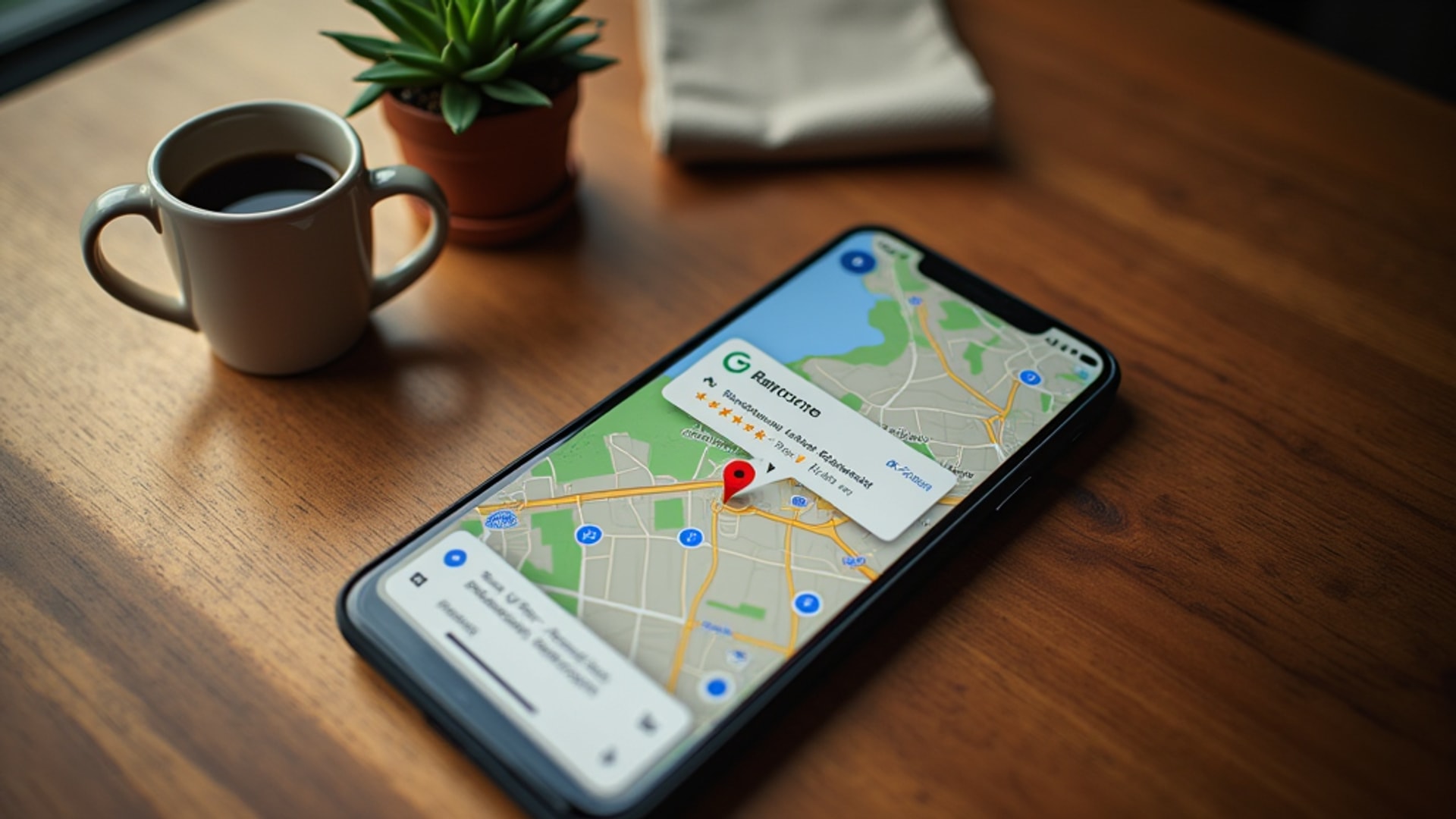
Start with the Foundation: Your Google Business Profile
Before you ask a single customer for a review, your Google Business Profile needs to be complete and compelling. According to research compiled by Peblla, a restaurant technology platform, a well-optimized profile with high-quality photos, accurate hours, an updated menu, and an engaging business description significantly increases the likelihood that diners will visit and leave reviews.
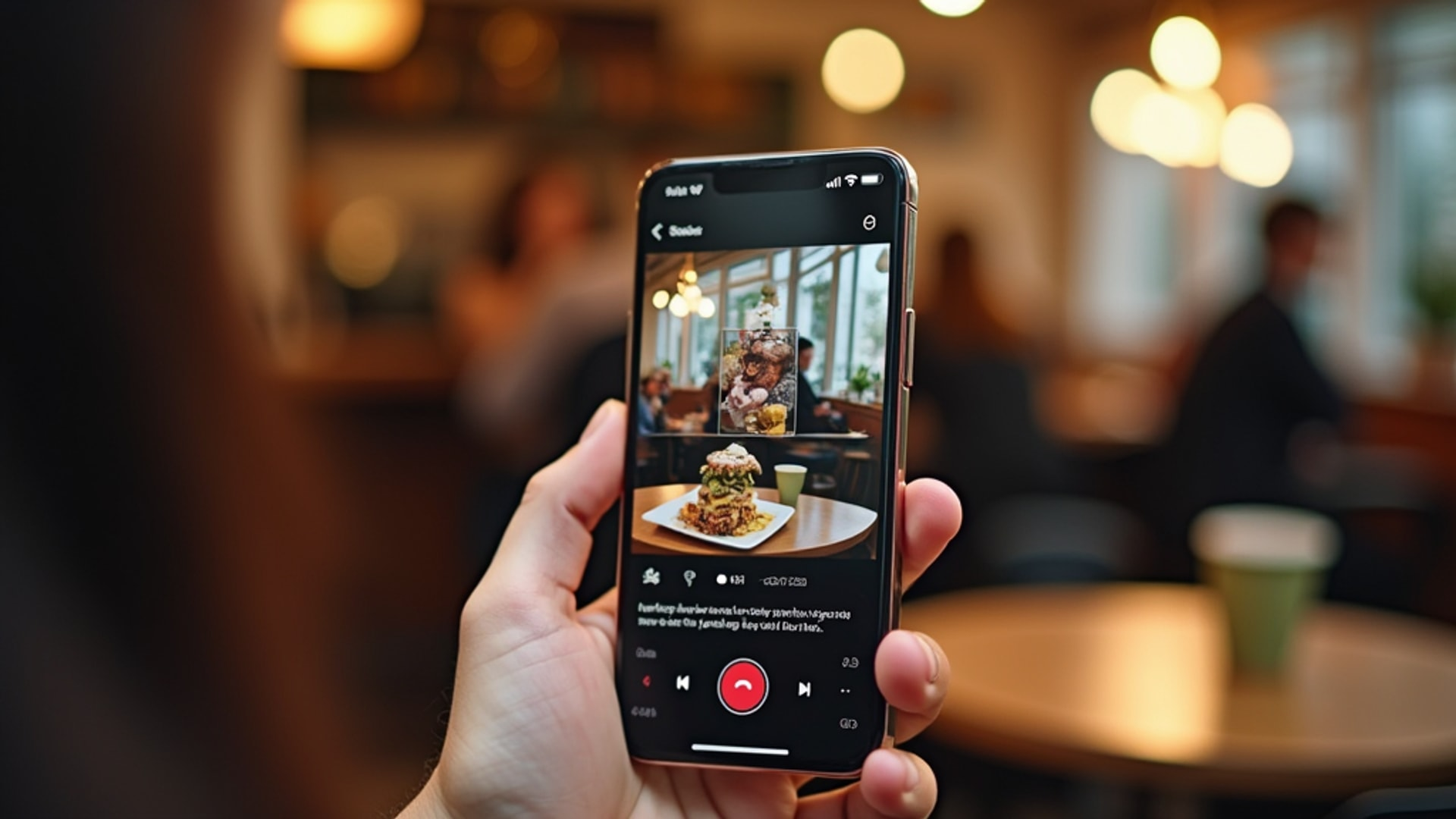
Think of the profile as the first impression a potential customer has of your restaurant — sometimes before they ever see your dining room. Treat it accordingly. Upload professional photos of your best dishes, the interior, and the exterior. Keep your hours current, especially around holidays. Fill out every available field. Restaurants with complete profiles see dramatically higher search visibility than those with bare-bones listings.
One often-overlooked feature: use Google Posts to announce specials, events, and seasonal items. These appear directly on your profile and signal to Google’s algorithm that your listing is actively managed.
The Best Moment to Ask for a Review
Timing your review request matters more than most operators realize. The guidance from Peblla is direct: ask when guests are visibly happy. This means after a customer compliments the food, at the conclusion of a celebratory meal like a birthday or anniversary, or when a guest tells their server they will definitely be back.
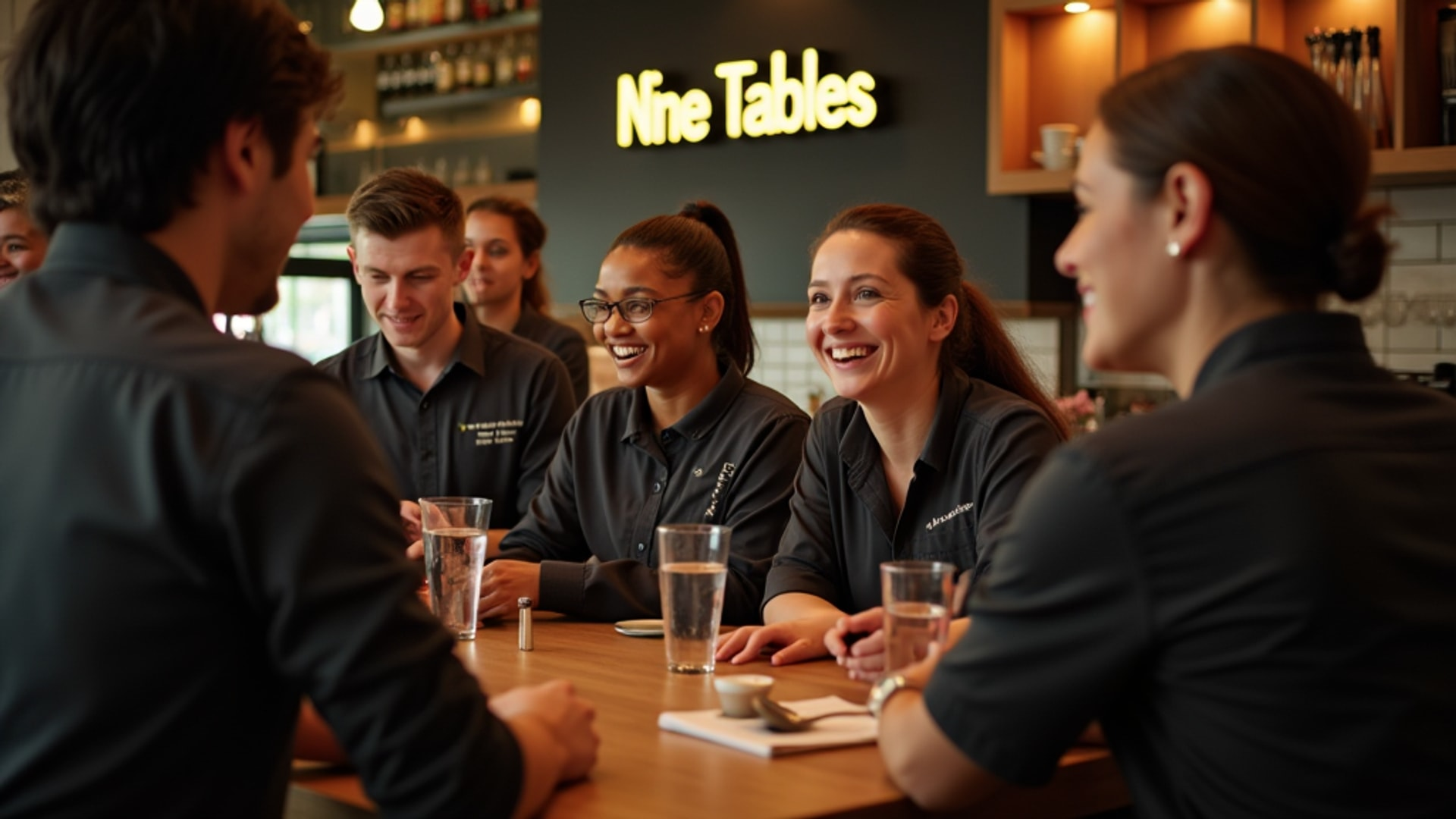
Staff should not ask every table robotically. Instead, train them to read the room and act on genuine positive signals. A natural, brief request — something like, “We’re really glad you enjoyed it. If you have a moment, a Google review would mean a lot to us” — works far better than a scripted pitch. The key is authentic timing, not volume.
Review requests sent digitally should go out within 24-48 hours of the visit, when the experience is still vivid. Post-visit emails and SMS messages with a direct link to your Google review page remove friction and catch customers at a high-recall moment.
Building Physical Review Touchpoints
Every physical surface in your restaurant is a potential review request. According to Peblla’s research, effective tactics include:
- QR codes on table tents, receipts, business cards, and wall posters with clear calls to action like “Loved your meal? Tell Google.”
- Review link stickers positioned at the counter, near the exit, or in the restrooms where customers pause naturally.
- Review request cards given by staff to tables that expressed satisfaction during the meal.
Each of these touchpoints should link directly to your Google review submission page — not your website, not a general search result. Make the path as short as possible. Every additional click you require reduces follow-through.
Responding to Reviews: The 24-Hour Rule
Uberall, a local marketing platform, reports that 89% of customers expect a response when they leave a review. That number applies whether the review is glowing or deeply critical.
For positive reviews, the response should feel personal rather than templated. Thank the reviewer by name if it is visible, reference something specific from their experience if they mentioned it, and extend a genuine invitation to return. Keep it brief — two to four sentences is enough. The goal is to show that a human being read and appreciated the review, not that a marketing team generated a form response.
For negative reviews, the approach requires more care. Bloom Intelligence’s 2026 guide recommends responding within 24 hours, acknowledging the concern without being defensive, and moving the conversation to a private channel. Give your direct contact information and invite the guest to reach out. Do not argue, do not try to correct their perception publicly, and never offer a discount in the public response — this can appear to incentivize negative reviews.
For neutral reviews that express mixed feelings, acknowledge both what went well and what fell short. Use these as opportunities to demonstrate that your team takes feedback seriously.
The One Thing You Cannot Do: Incentivize Reviews
Every major review platform, including Google, explicitly prohibits offering incentives — discounts, free items, loyalty points — in exchange for leaving a review. According to Peblla’s research compilation, this violation can result in review removal, profile penalties, and loss of consumer trust if it becomes public. The request must always be genuinely voluntary.
What you can do is make it easy. Reduce friction. Ask at the right moment. And deliver an experience compelling enough that people want to share it.
Mining Reviews for Operational Intelligence
Reviews are not just a reputation asset — they are free market research. Peblla identifies patterns in negative reviews as one of the most valuable diagnostic tools available to restaurant operators.
If multiple reviewers mention slow service on weekend nights, that is a staffing signal. If three reviews in a month reference a popular item being sold out, that is a purchasing and inventory signal. If food temperature complaints appear repeatedly, that is a kitchen workflow signal. Track themes across your reviews monthly and route them to the appropriate operational owner.
This discipline closes the loop between your online reputation and your actual operations. The restaurants that consistently improve their star ratings are not doing so through clever marketing — they are doing it by using review data to fix real problems. A monthly review audit formalizes this process.
Competitive Benchmarking
Know where your competitors stand. Do a monthly check of the Google ratings for the three to five restaurants you compete with most directly. If a nearby competitor has a 4.7 while you have a 4.2, and both of you serve similar food at similar prices, the gap is worth investigating. Read their recent positive reviews to understand what they are doing well. Read their negative reviews to spot vulnerabilities you can address proactively in your own operation.
A one-star advantage on Google is not trivial. According to Bloom Intelligence, one in three diners uses Google to find restaurants. In a world where potential customers are comparing two or three options with a quick search, that rating difference is often the deciding factor.
Building a Review Generation System
The restaurants with the best Google ratings are not getting lucky. They have systems: trained staff who ask at the right moments, QR codes on every receipt, automated post-visit email and SMS follow-ups with direct review links, and a management review of new reviews every morning.
Implement these pieces in sequence. Start with the Google Business Profile optimization and the staff training. Add the physical QR codes and table tents. Layer in the automated digital follow-up. Then establish a daily review monitoring and response ritual. Built correctly, this system generates a steady stream of authentic reviews without requiring constant manual effort — and it compounds over time as your rating climbs and your search visibility grows.
→ Read more: Online Reputation and Review Management: Turning Customer Feedback into Revenue → Read more: Yelp Optimization for Restaurants: The Complete Profile and Review Strategy → Read more: Social Proof for Restaurants: Building the Trust That Fills Dining Rooms