· Suppliers · 8 min read
Fire Suppression Hood System Suppliers: What Every Restaurant Operator Must Know
How to select fire suppression hood system vendors, understand NFPA inspection requirements, and avoid compliance failures that void your insurance.
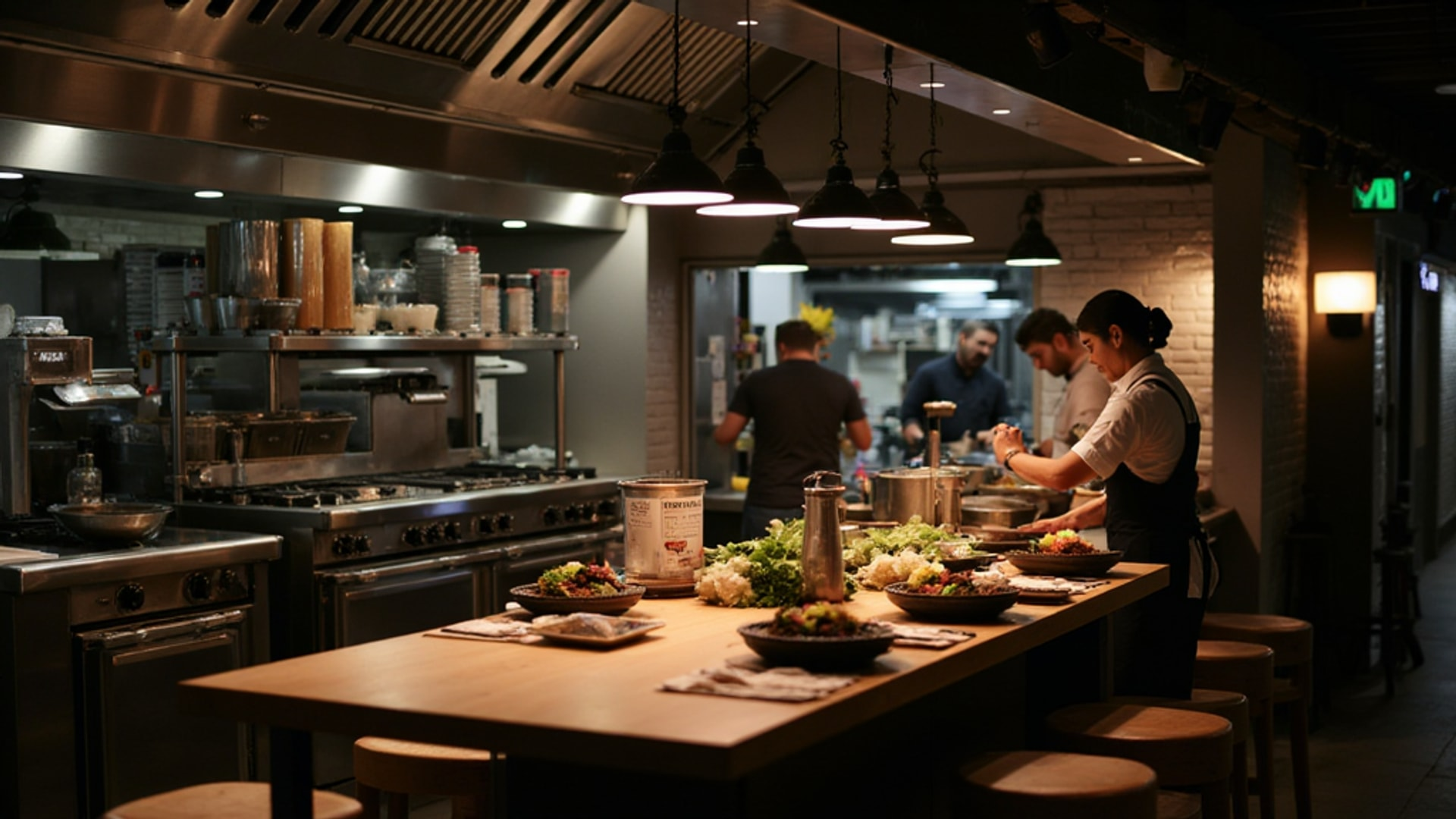
Walk into any commercial kitchen and look up. Every piece of cooking equipment producing grease-laden vapors sits beneath a hood with a fire suppression system built into it. That system is not optional — building codes require it everywhere. What is optional is how carefully you select the vendor who designs, installs, and services it. Make the wrong choice and you are looking at insurance invalidation, fire marshal closure orders, or in the worst case, a grease fire that spreads past your kitchen.
Here is what experienced operators know about fire suppression hood systems that first-timers typically find out the hard way.
Why This Is Not a Generic Equipment Purchase
Fire suppression hood systems touch three things that can end your business: building code compliance, insurance coverage, and physical safety. The vendor relationship is therefore fundamentally different from buying smallwares or even commercial refrigeration. You are not just buying a product — you are establishing an ongoing compliance partnership that spans the life of your kitchen.
NFPA 17A, the National Fire Protection Association’s standard for wet chemical extinguishing systems, mandates semi-annual inspections — every six months without exception. Miss an inspection and you are in violation of building code. More critically, most commercial property and liability insurance policies include clauses that void coverage if fire suppression systems are not maintained on schedule. A fire claim submitted after a missed inspection becomes an uninsured loss. That is not a hypothetical — it happens.
How These Systems Actually Work
Understanding the mechanism helps you evaluate vendors intelligently. Restaurant fire suppression systems use wet chemical agents that react with cooking grease through a process called saponification, converting the grease surface into a soapy emulsion that prevents re-ignition. This is fundamentally different from dry chemical extinguishers and is specifically engineered for the grease-fire hazard unique to commercial cooking.
The current industry standard is UL 300-listed wet chemical systems. Any system without this listing is not acceptable for commercial kitchen installation. The UL300 standard, introduced in the mid-1990s, specifically addresses the challenge of modern vegetable shortenings and cooking oils that burn hotter than the animal fats that older systems were designed for. If you are in an older building with a legacy system that predates UL300, evaluate whether it needs replacement.
Two chemical agent manufacturers dominate the market: Ansul and Kidde. Their agents are specified by virtually every major system installer in the country. When evaluating vendors, confirm that the system they are proposing uses UL300-listed agents from one of these manufacturers.
The Vendor Landscape
The fire suppression market breaks into two categories: full-service fire protection companies and equipment-focused distributors.
Full-service providers handle the complete lifecycle — system design, installation, bi-annual inspection, service, repair, and exhaust hood cleaning. Major national providers include Pye-Barker Fire & Safety, Koorsen Fire & Security (operating in the commercial kitchen protection market since 1946), and Hiller Fire. Captain Commercial Hoods focuses specifically on CaptiveAire ventilation systems with integrated Ansul fire suppression, making them relevant if CaptiveAire is your hood manufacturer of choice.
For equipment-focused purchasing, HoodMart sells UL300-listed systems directly to restaurants, including configurations for canopy hoods and mobile food trucks. WebstaurantStore offers complete hood system packages with fire suppression components bundled in. These channels are appropriate for operators with their own certified installers or those who need to source components separately.
The fundamental question is whether you need a turnkey vendor or component purchasing. For most independent restaurants, a full-service provider is the right answer — they design the system to code, install it correctly, and own the ongoing compliance relationship.
What Drives System Cost
Several factors determine what you will pay for a fire suppression hood system installation.
Hood configuration is the primary cost driver. A single linear hood over a standard cooking line costs significantly less than a complex configuration covering multiple cooking stations, wok ranges, or specialty equipment. Custom hood shapes and multiple suppression zones add cost.
Local code requirements vary by jurisdiction. Fire marshals in some markets require additional suppression coverage, specific agent quantities, or particular system designs. Always pull the local fire code or have your vendor confirm local requirements before pricing.
Installation labor costs depend on your location and the complexity of the rough-in. Integration with existing exhaust systems, makeup air, and HVAC adds coordination costs. In retrofit situations — installing a system in an existing kitchen — expect higher labor costs than in new construction where the mechanical systems are being built around the hood design.
For typical restaurant buildouts, full hood system installations including fire suppression range from $3,000 to $10,000 or more depending on hood size, number of zones, and local requirements. Ongoing semi-annual inspections typically cost $150 to $400 per visit depending on system complexity and market.
→ Read more: Kitchen Ventilation Hood Suppliers
Selecting Your Vendor: The Key Questions
When evaluating fire suppression vendors, ask these questions before signing anything.
Are they licensed for your jurisdiction? Fire suppression installation and service requires specific licensing that varies by state and sometimes by county. Confirm the vendor holds the correct licenses for your location.
What is their inspection scheduling reliability? The semi-annual inspection schedule is not negotiable. Ask how they track upcoming inspections and what their reminder process looks like. A vendor who leaves tracking entirely to you is a liability — you want proactive reminders and easy scheduling.
Do they handle exhaust hood cleaning? NFPA 96, the Standard for Ventilation Control and Fire Protection of Commercial Cooking Operations, also specifies cleaning frequency requirements for exhaust hoods based on cooking volume. High-volume operations may need cleaning quarterly; lower-volume kitchens may qualify for annual cleaning. Many fire suppression vendors bundle hood cleaning with their service contracts. This can be convenient but compare prices against dedicated hood cleaning contractors.
What is their response time for service calls? If your suppression system discharges — shutting down your kitchen — how quickly can the vendor recharge and reset the system? A slow response means extended kitchen downtime. Ask specifically about after-hours and weekend service.
Can they provide references from similar operations? A vendor who primarily services office buildings and light commercial kitchens may lack the experience to properly design a system for a high-volume restaurant with fryers, woks, and charbroilers operating simultaneously.
New Construction vs. Retrofit
New construction gives you the best opportunity to design the right system from the start. Involve your fire suppression vendor during the design phase — before equipment placement is finalized — to ensure proper hood coverage over every cooking appliance. Systems designed in coordination with kitchen layout are better engineered and typically cost less to install than systems retrofitted around existing equipment.
Retrofit situations require more careful evaluation. If you are taking over an existing space with an existing hood and suppression system, get an inspection before signing the lease. The previous operator’s system may not cover your intended cooking equipment, may have deferred maintenance, or may need replacement. Discovering a $15,000 hood system upgrade requirement after signing a lease is a common and painful surprise.
When bidding a retrofit, require the vendor to confirm coverage for your specific equipment list. A hood system sized for a simple sandwich line is not adequate for a full-service restaurant adding fryers and a charbroiler.
Integration with Broader Kitchen Safety
The suppression system is one component of a broader kitchen fire safety ecosystem. The hood system integrates with the exhaust hood itself (which must be properly sized and maintained), the makeup air system (which prevents negative pressure in the kitchen), and ANSI/NFPA requirements for clearances around cooking equipment. Your fire suppression vendor should understand all of these interdependencies.
Portable Class K fire extinguishers are also required in commercial kitchens as a backup to fixed suppression systems. Confirm your portable extinguisher service is handled by the same inspection schedule or coordinate it with a separate provider.
Gas shutoff integration is another consideration. Modern suppression systems typically include automatic gas shutoff that triggers when the system discharges, cutting fuel to cooking equipment. Confirm your system includes this feature and that it is properly connected to your gas supply.
Non-Compliance Is Not Worth the Risk
Some operators, particularly in small markets with limited fire marshal presence, develop the habit of delaying inspections. This is exactly the kind of shortcut that ends businesses. Insurance coverage is the most immediate and concrete risk — but the real risk is a grease fire in a kitchen where the suppression system has degraded due to neglected maintenance.
Establish a compliance calendar from day one. Schedule both semi-annual inspections before you open and keep that schedule permanently. Build the cost — typically $300 to $800 annually for inspections — into your occupancy budget. It is among the least expensive insurance you carry.
→ Read more: Kitchen Fire Suppression Systems
→ Read more: Fire Code and Occupancy Requirements
→ Read more: Fire Safety and Egress Design